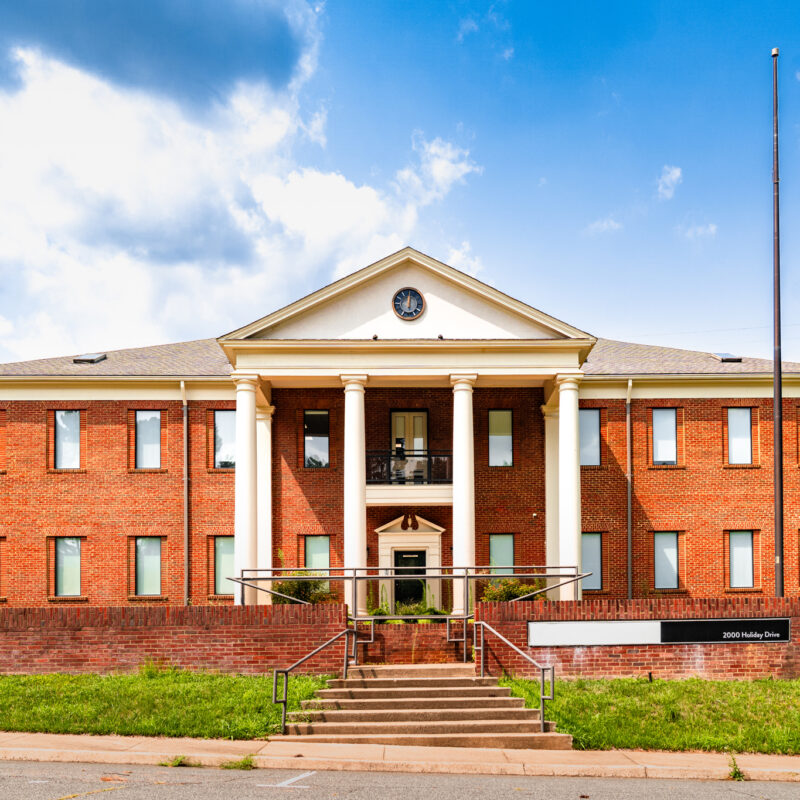
As the Charlottesville Redevelopment and Housing Authority prepares to ask City Council for another $8 million to purchase properties, tensions are mounting between the two bodies over financial transparency, leadership, and trust.
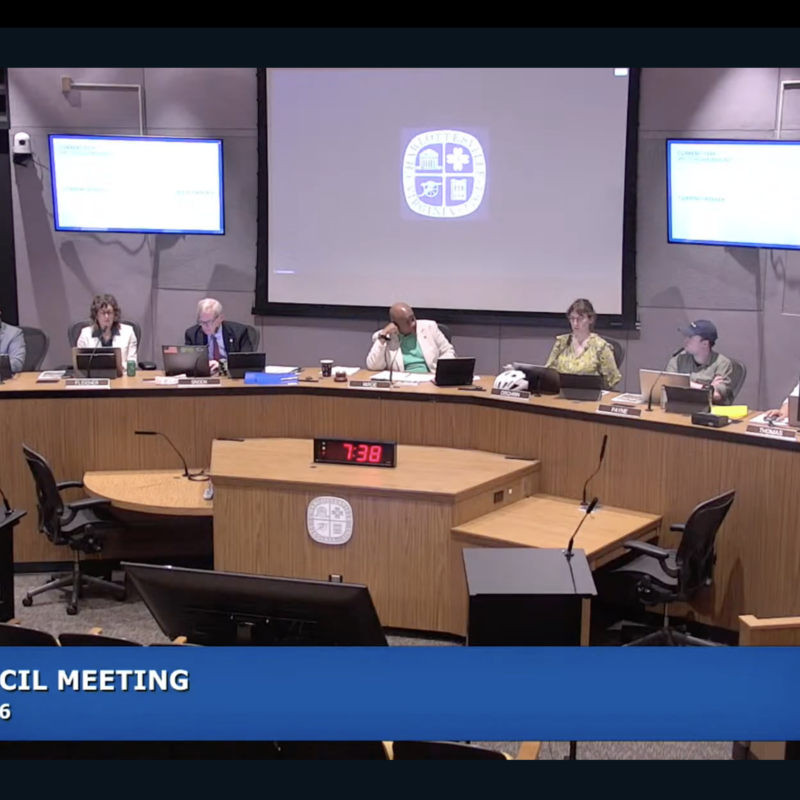
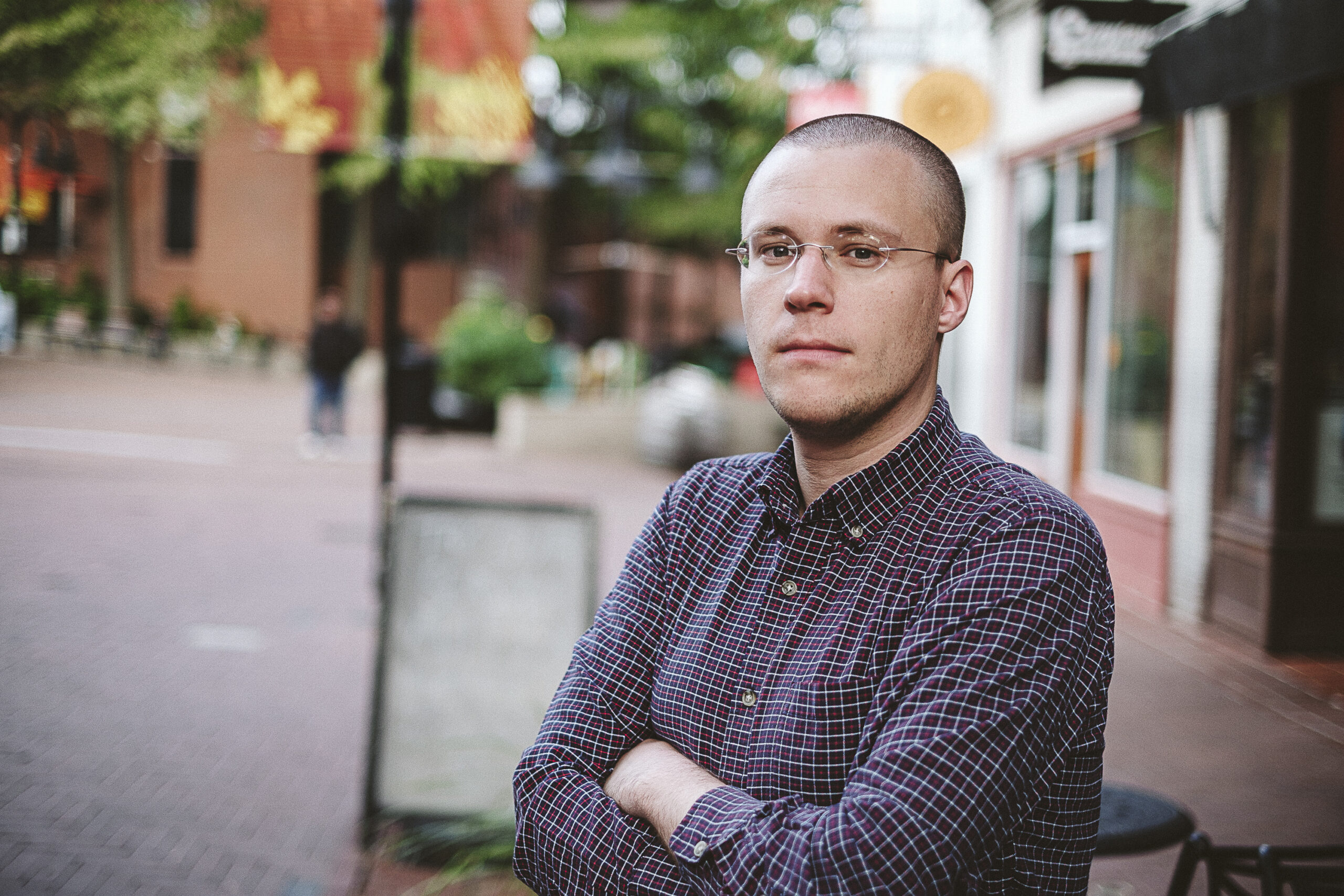
At a November 12 work session, City Councilor Michael Payne pressed CRHA officials for more information about the authority’s finances, citing concerns about its long-term stability and a federal lawsuit involving the organization that alleges fraudulent receipt of federal loans during the early days of the COVID-19 pandemic.
CRHA leadership pushed back, accusing Council of unprofessional behavior. The disagreement comes as CRHA Executive Director John Sales, who announced his resignation in August, negotiates with the authority’s board to remain in his position.
Since 2019, CRHA has implemented an ambitious plan to build the first new public housing units in a generation and renovate existing housing stock.
CRHA has purchased several dozen properties and wants to purchase more to increase the number of subsidized units within city limits. The funding mechanism for each type of project is different, and the City of Charlottesville is part of the mix for each.
On November 17, Council and CRHA were scheduled to hold a work session to discuss an additional $8 million in capital requests for property acquisition. Payne, who also serves on the CRHA board, sought additional financial details ahead of that discussion.
“Council has been wanting to review just the total financial situation because Council is also considering other affordable housing investments because that would be all of our existing surplus,” Payne said.
The city’s Capital Improvement Program contingency fund currently has a balance of just under $13 million, meaning CRHA’s request would consume more than 60 percent of the available money. Other nonprofit developers are also seeking city funding.
Sales said the authority’s financial information is available in an audit already provided to the city.
Payne said Council’s desire for further information has become more urgent following revelations that CRHA is named in the federal lawsuit.
Sales took offense at Payne’s questions, which were accompanied by an email chain concerning contributions from the Affordable Housing Opportunity Fund, created by the Dave Matthews Band and Red Light Management in 2019.
“You don’t have a relationship with any of those folks to actually figure that out, because they’re all begging me to stay here at this organization because they’re worried what happens if I leave,” Sales said.
Payne stood his ground and said Council is concerned about communication gaps and the long-term stability of CRHA.
“When your resignation was announced, and Council was looking at if that is the case, how do we prepare for what the change is going to be and started looking for all available documents that could assist that transition?” Payne asked. “Obviously, things have changed since then.”
Payne said trust can be repaired, but CRHA officials need to share financial statements more frequently.
CRHA Chair Brigid O’Rourke said Council needs to be more clear on what it wants from the CRHA board.
“I didn’t have distrust of Council until the interactions that I had recently as board chair,” O’Rourke said. “And they have been aggressive and not professional.”
Also at the November 12 work session, the board authorized its chair and vice chair to negotiate a new contract with Sales, including a $20,000 retention bonus if he remains with the authority for a year.
Payne abstained from the vote but expressed opposition to the deal.
“I don’t think the retention bonus is what I would consider for any organization a best practice, but I respect that the board has arrived at this and the majority is there,” Payne said.