As the value of real estate in Charlottesville continues to go up, so does the city’s ability to generate a surplus based on increased assessments. These extra funds are allocated to contingency funds, including a $15.8 million transfer at the end of Fiscal Year 2023, $22.4 million at the end of FY24, and $8.5 million for FY25.
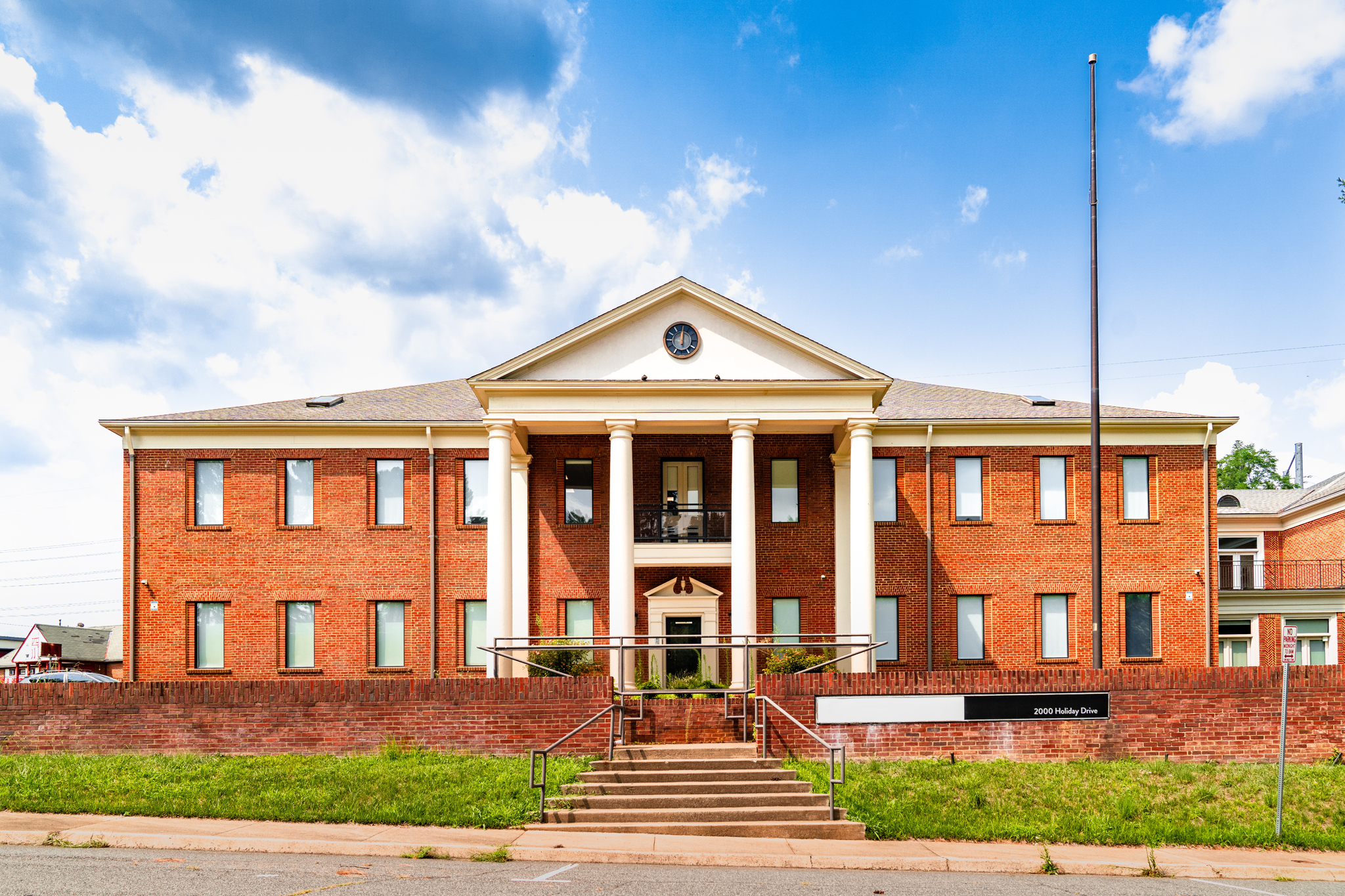
That has allowed City Council to make several high-profile purchases, such as $6.3 million last October for 2000 Holiday Dr., which will be converted to a service center and emergency shelter for the unhoused, and $1.5 million to fix damages in City Hall caused by a water leak in the summer of 2023.
Other Council-approved uses of the Capital Improvement Program contingency fund include $1.1 million to improve pedestrian infrastructure on Emmet Street near Holiday Drive, $390,000 to help residents of Southwood afford higher rents at new units, and $1.5 million for two studies requested by the Department of Neighborhood Development Services.
As of August 3, the contingency fund had a balance of just under $12 million and City Manager Sam Sanders told Council the same day that some of that money is being set aside for future property acquisitions.
Whether Charlottesville will have another surplus won’t be known until December when the books are closed out for FY26, but another three-quarters of a million dollars will be added to the fund sometime next month.
Last December, Council agreed to a request from the Jefferson Scholars Foundation to close a public cul-de-sac off of Maury Avenue to provide it more options for its future.
The private entity built its headquarters in 2009 at the site of a former fraternity house and has been purchasing nearby property ever since. It slowly became the only property owner with access to Clarke Court and petitioned for its closure.
Council agreed on a 3-2 vote, with the minority members concerned about giving up public right of way. The city has lost five public parking spaces but will continue to have access to utility easements. As a result, the fund will get an additional $750,000 after a second reading in September.
This year, the city made a $750,000 payment to the nonprofit SupportWorks Housing to help fill a deficit in its financing for an 80-unit supportive housing facility under construction on U.S. 29.
The city’s ability to generate surpluses stems from a dramatic increase in value over the years. In 2016, the total taxable value in Charlottesville was $5.95 billion. That has more than doubled to $12.16 billion in 2026.
During that time, revenue from real property taxes increased $56.5 million in 2016 to $120.4 million in 2026. The tax rate has increased from 95 cents per $100 of assessed value to 99 cents per $100.
Charlottesville paid $6.3 million for 2000 Holiday Dr. last year, one of several recent expenditures made possible by the city’s capital contingency fund.