Looking up at the new Virginia Guesthouse, it’s hard to see how the angular, mixed-material hotel and conference center fits in on Jefferson’s university Grounds. But according to Stephen Brockman, a principal at TenBerke architecture and design firm, that’s sort of the point.
“It goes back to the planning of the Emmet Ivy Corridor as a place where UVA interacts with the world,” Brockman says. “It’s a place that offers a first encounter for prospective students, athletes, parents, and professors.”
The untrained eye may not see it, but Brockman says the contemporary hotel also echoes some of the university’s most traditional design cues. Rising nine stories, the facade of the 214-room hotel and 25,000 square feet of meeting facilities comprises not only large pre-cast concrete slabs, but also bricks intended to match the appearance of those around the Academical Village.
“Throughout the full [corridor] development process, we think it will feel nestled in there,” Brockman says. “Where the Academical Village is inward facing, and you want to feel the connection to the heart of the grounds, Emmet Ivy was meant to reflect what the university looks and feels like in the 21st century.”
Brockman and the TenBerke team worked closely with UVA architect Alice Raucher to design a structure that emphasizes the materials and tone of this time and place, something that “felt aware of its surroundings.” According to Brockman, the hotel’s windows grow in size as you ascend, giving the uppermost floors sweeping views of central Grounds and the Rotunda.
“Virginia Guesthouse was imagined as a gathering space to foster community and support all aspects of the university,” Virginia Guesthouse General Manager Gregg Hilker said in a prepared statement. “We look forward to becoming a meaningful part of daily life in Charlottesville.”
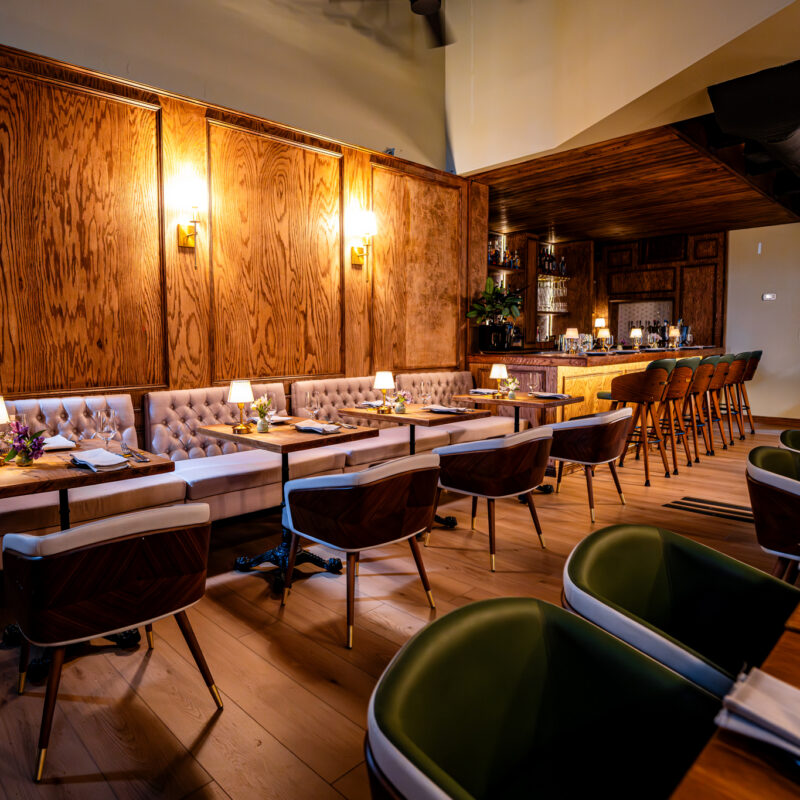
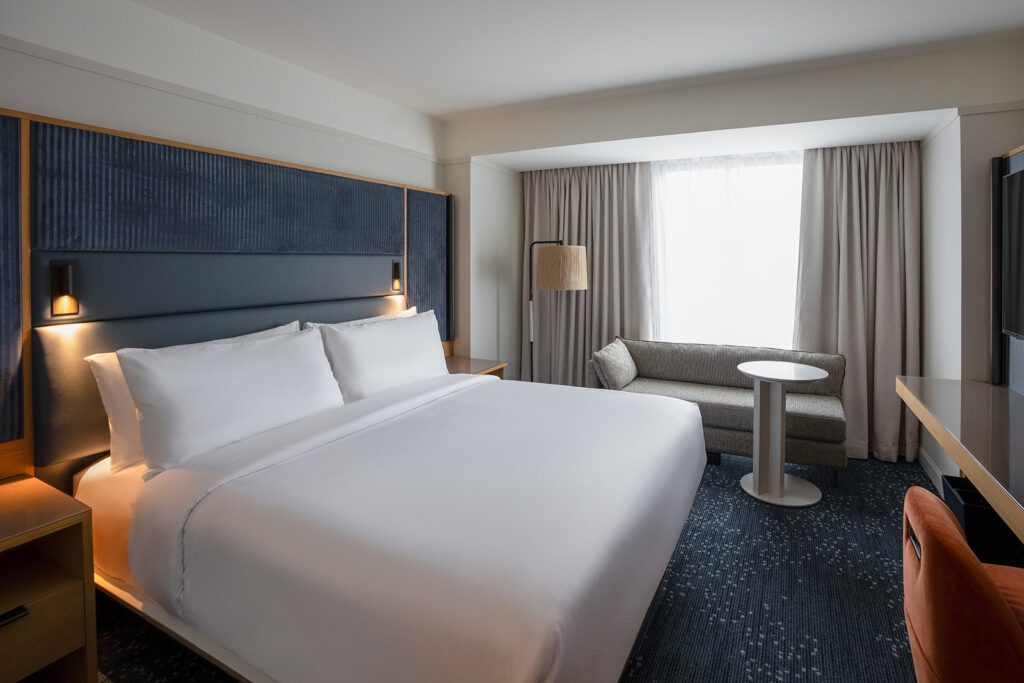
The lodge and conference space also features three restaurants—the full-service Poplar, rooftop bar and café The Perch, and a ground-floor grab-and-go eatery—as well as an integrated UVA Welcome Center. The hotel’s rooms were designed with efficiency in mind—indeed with an eye toward pushing folks into the common areas, Brockman says. That sensibility is balanced with comfort, and the Virginia Guesthouse offers a range of accommodations, from simple double queen rooms to its presidential suite.
The Guesthouse’s design efficiency is also driven by economic pressures, Brockman admits. Unlike other campus buildings, the hotel isn’t financed by donors, and in places where monetary constraints created issues, the team was forced to find creative solutions.
Take, for example, the façade’s pre-cast concrete. “Because the slabs come in large pieces, you end up with joints creating serrations,” Brockman says. “But the building faces south, and with the handlaid brick, you get this play of light that changes over the day and creates shadows that hide the joints.”
Brockman is hesitant to call the Virginia Guesthouse “modern” in design because of all the term entails, but it is “of its place and time.” In other words, “you couldn’t take this design anywhere else,” he says.
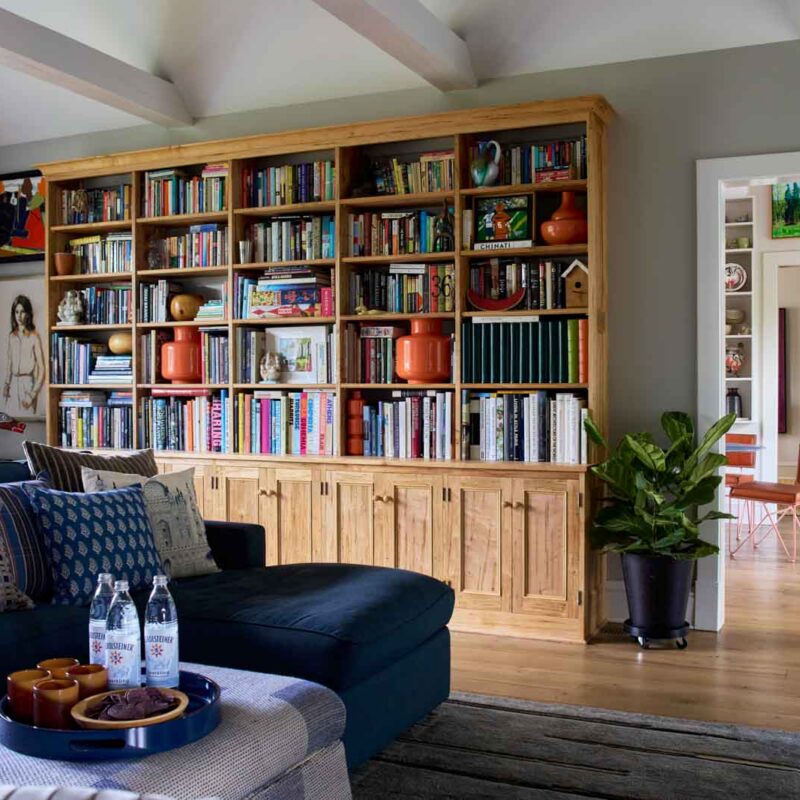
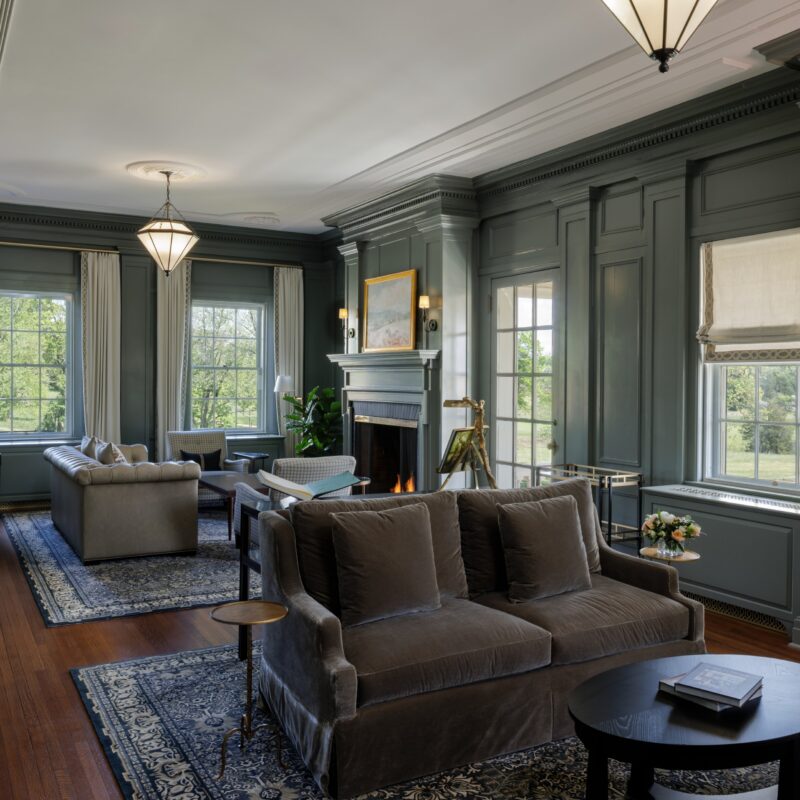
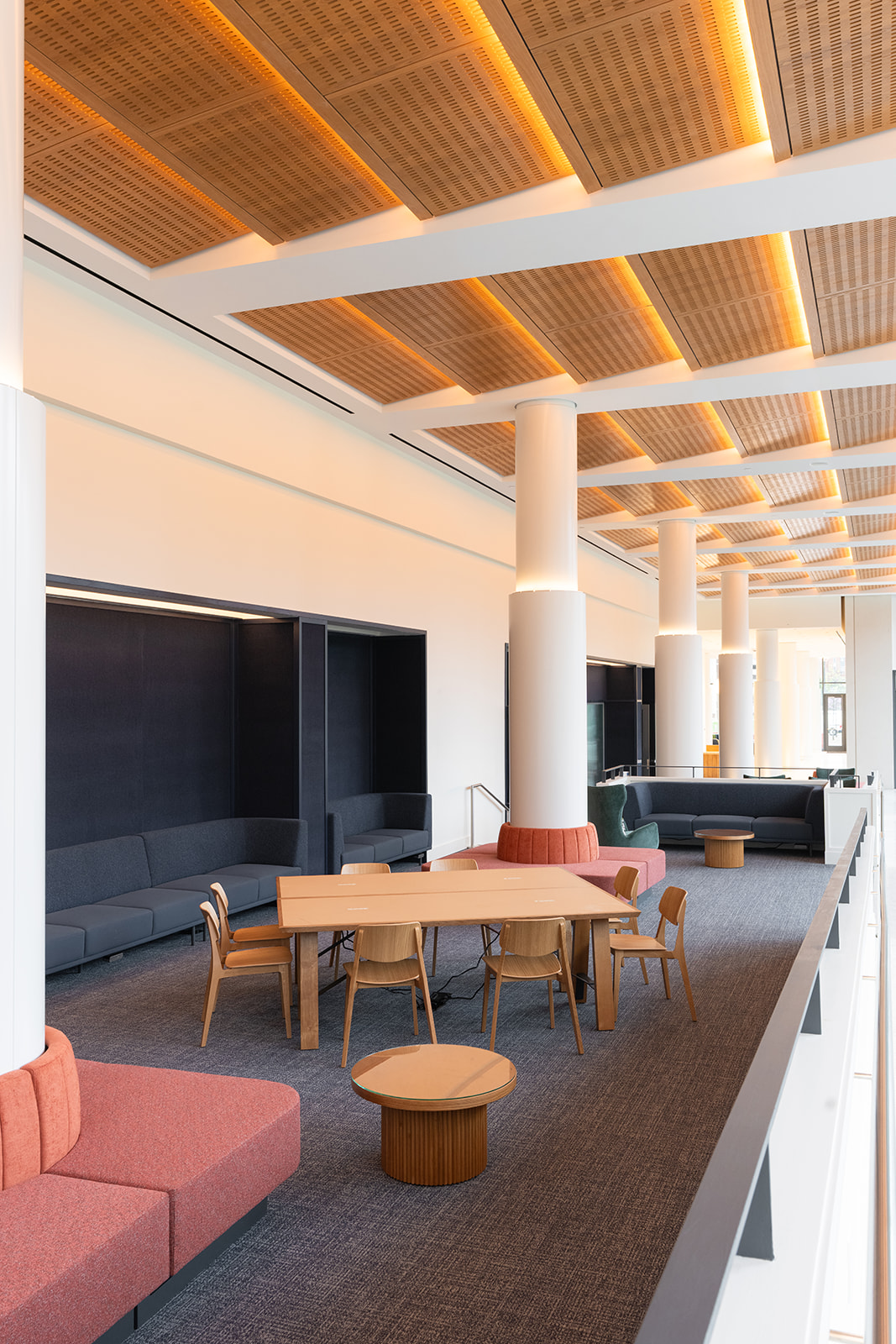
The same principle applies—to an extent—on the building’s interior. The indoor spaces are intended to be inviting to all walks of life, for those from “18 to 80,” Brockman says. The lobby functions like a family living room, where young people, their parents, and their grandparents should all feel comfortable. Materiality is again a prime consideration, as are furnishings, which are geared toward ergonomics and comfort.
Brockman says the common areas are designed to make activity visible, inviting public interaction and study along with community congregation. Each guest floor features its own lounge, carrying the idea up into the hotel and across the conference areas. According to Brockman, student study groups are already taking advantage of the spaces.
The Virginia Guesthouse is owned by UVA but managed by Pyramid Global Hospitality. Russ Cronberg, the University of Virginia Foundation’s director of hospitality, says the arrangement allows UVA to outsource day-to-day operations while reaping the benefits of the space.
It’s a trend that’s growing around the country, Cronberg says. “I think what we’ve been seeing among many universities is that hotels are becoming more a part of their core institutional strategy,” he says.
According to Cronberg, two task forces separately identified a hotel as a need for the university. And while the teams recognized the project’s potential to crowd out other accommodations, they believed enough demand remained to support it. The Charlottesville Albemarle Convention & Visitors Bureau agreed.
“We worked with CACVB, and the conclusion was that we actually needed 300 rooms and 40,000 square feet of meeting space,” Cronberg says. “I think the team is eager to get into the fall and show off what we’ve created.”