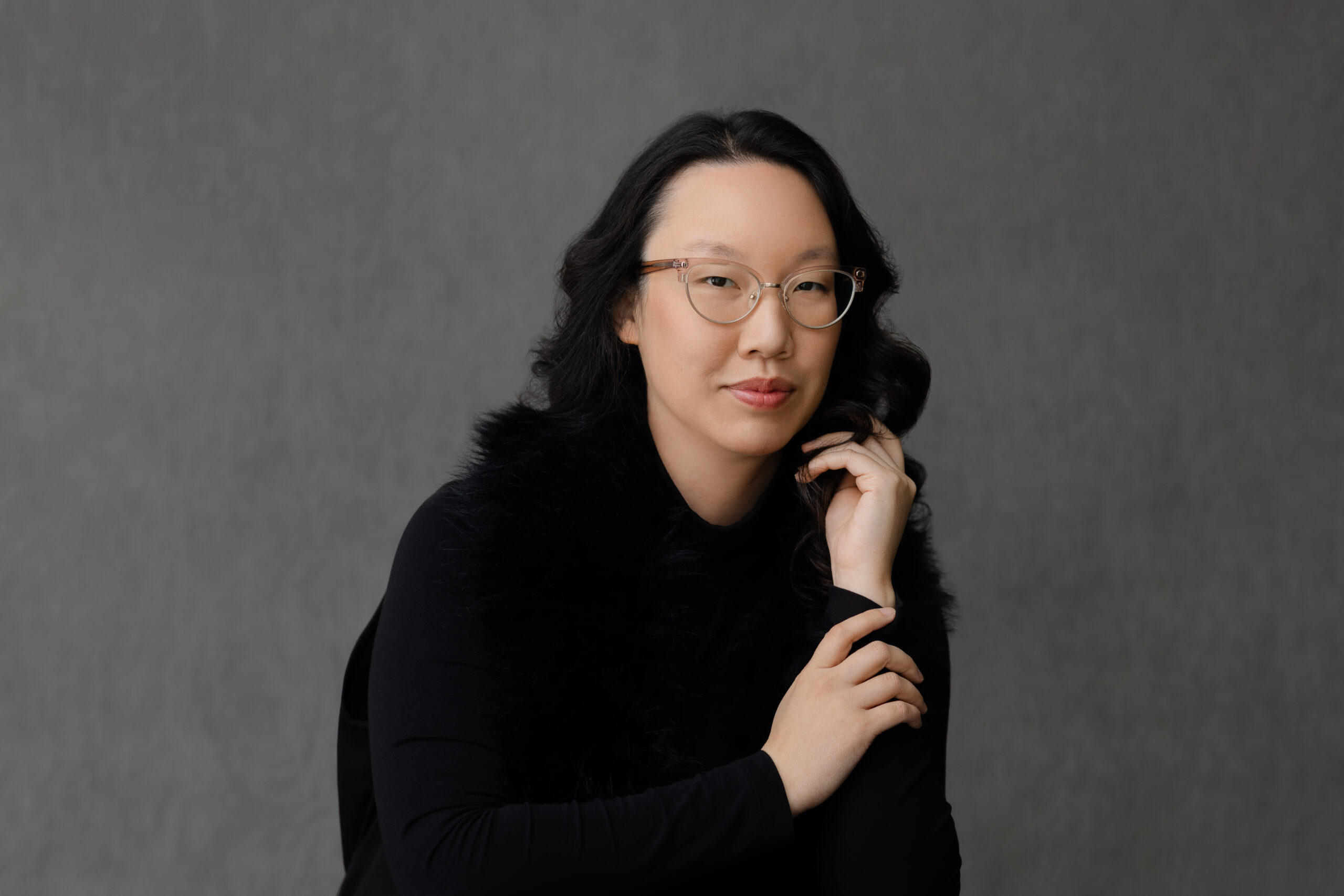
Sophia Terazawa is a Vietnamese-Japanese poet, novelist, and performance artist whose work explores diasporic identities and experiences of exile as well as polyvocal and experimental forms of writing. She is the author of four books, including Oracular Maladies, her new poetry collection, and Tetra Nova, her debut novel. Terazawa teaches in Virginia Tech’s MFA creative writing program and was recently named a finalist for the DAG Prize for Literature. We spoke with her about her work.
C-VILLE: When you think about your work as a performance artist, poet, and novelist, what are the throughlines you see?
Sophia Terazawa: I think it’s a reflection of how I’ve navigated my identity as someone who is always moving between worlds. There’s a lot of fluidity in my background and it’s a reflection of the fluidity that I bring not just to the page but to the stage. I find that there are so many limitations within each genre but when you put all of those genres together, you get to make this hydra that, for me, is super exciting. … I embrace the possibilities of my work not being in one container at any point. They’re always in conversation with other worlds, even beyond my own knowledge.
How much of Oracular Maladies feels representative of your personal experience as opposed to another world that you’re conjuring?
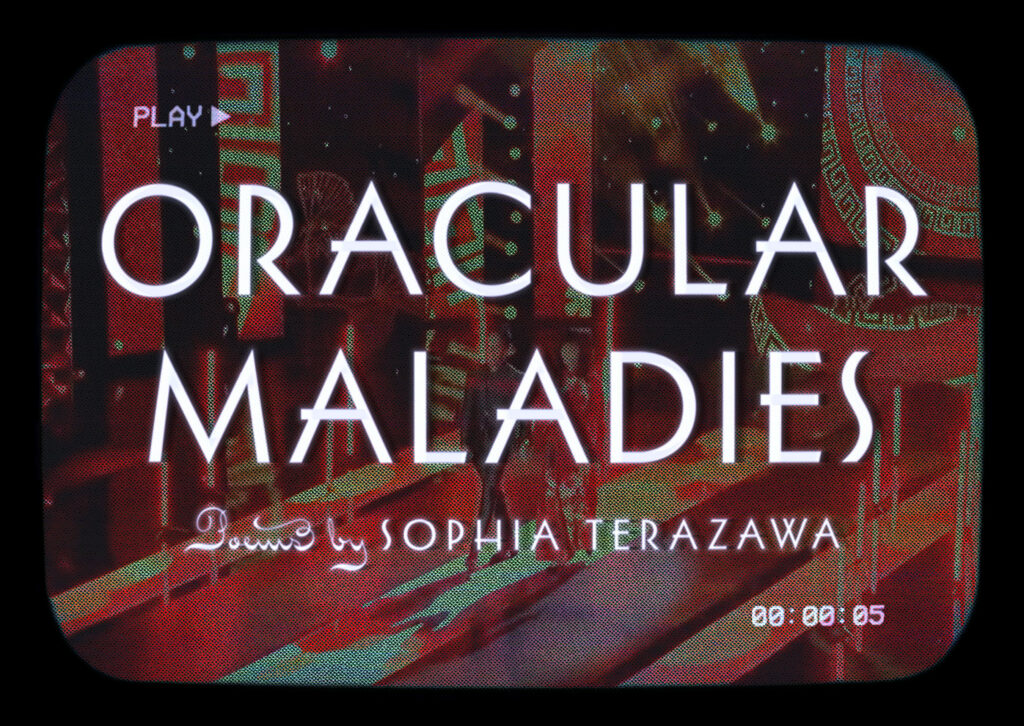
I think it’s a little bit of both. Oracular Maladies, in a nutshell, is about a Vietnamese diasporic performing arts extravaganza called “Paris by Night,” [which] is a wild production that I grew up watching on VHS tapes. We would always have this musical production in the background and it became an anchor to the homeland. As I grew up, I started to realize that this show became almost a simulation of what a diasporic identity might be. … It became almost this perverted mirror effect of what it means to be Vietnamese in exile. And I wanted to honor that history and acknowledge that there is no such thing as purity in the diaspora.
As someone who is of mixed ethnicity, it’s always been a point of tension for me … “Paris by Night” gave me a really wonderful opportunity to point at the ways in which we might be constantly grappling with the sense that we will never return to a sense of purity or a rooted sense of who we are. There’s an element of futurism with that: How can we imagine a future for ourselves that encompasses all of our multitudes, all at the same time?
There are undercurrents of longing, grief, and forgiveness in your work. How do you feel poetry and fiction are uniquely able to grapple with these themes?
I find a really strong distinction between the two. For me, poetry is entirely an embodied experience … in the way that I think of Oracular Maladies as the way one might visit the Oracle of Delphi to get their fate. I surrender myself completely to this out-of-body experience that is poetry. My job is to transmit a sense of the vibrations of a language that is beyond my own understanding … It’s very much on a felt basis. I feel my way through sounds or I feel my way through an experience. And so the idea of making meaning out of it, for me as a poet, is not a priority.
Fiction, for me, and maybe prose to an extent, is that act of making meaning first. So I try to understand a story or I try to help someone who is outside of myself make meaning of something that might, on the surface, seem meaningless. It’s a very different register. Where poetry is of the body, prose for me is entirely of the mind.
How has it been sharing Oracular Maladies with others?
I recognize that my work is always in conversation with somebody or something else. When I was first starting, I was a very reactive writer. I would only write if I had a strong pain or if I was deeply hurt, and I was in conversation, trying to speak back. I find now though, since my books are published, it’s like the conversation has ended. These books are like an echo of a painful conversation I might have had with history … but what I’m most excited about is figuring out ways to draw an audience into a conversation that is just out of the frame of the book.
What are you working on now?
I am working on my second novel, which just got picked up. It’s an experimental novel that is still trying to grapple with form and narrative. In short, it’s an account of three summer months of being scammed by psychics, but really what it’s looking at is the sense of the oracular and the sense of knowing what you know even if you don’t have the language to speak it into truth. I’m really curious about the future of writing … and in conversations around AI and these technological advances that are, day by day, surpassing our abilities to think, to imagine, and maybe in some cases to speak for ourselves … I am really curious about the future of the book, as its own monument to something that might otherwise be dying for us as a human species. So it’s a very hopeful but also nihilistic answer. The project that I’m working on is the project of the written word in relation to our own humanity.