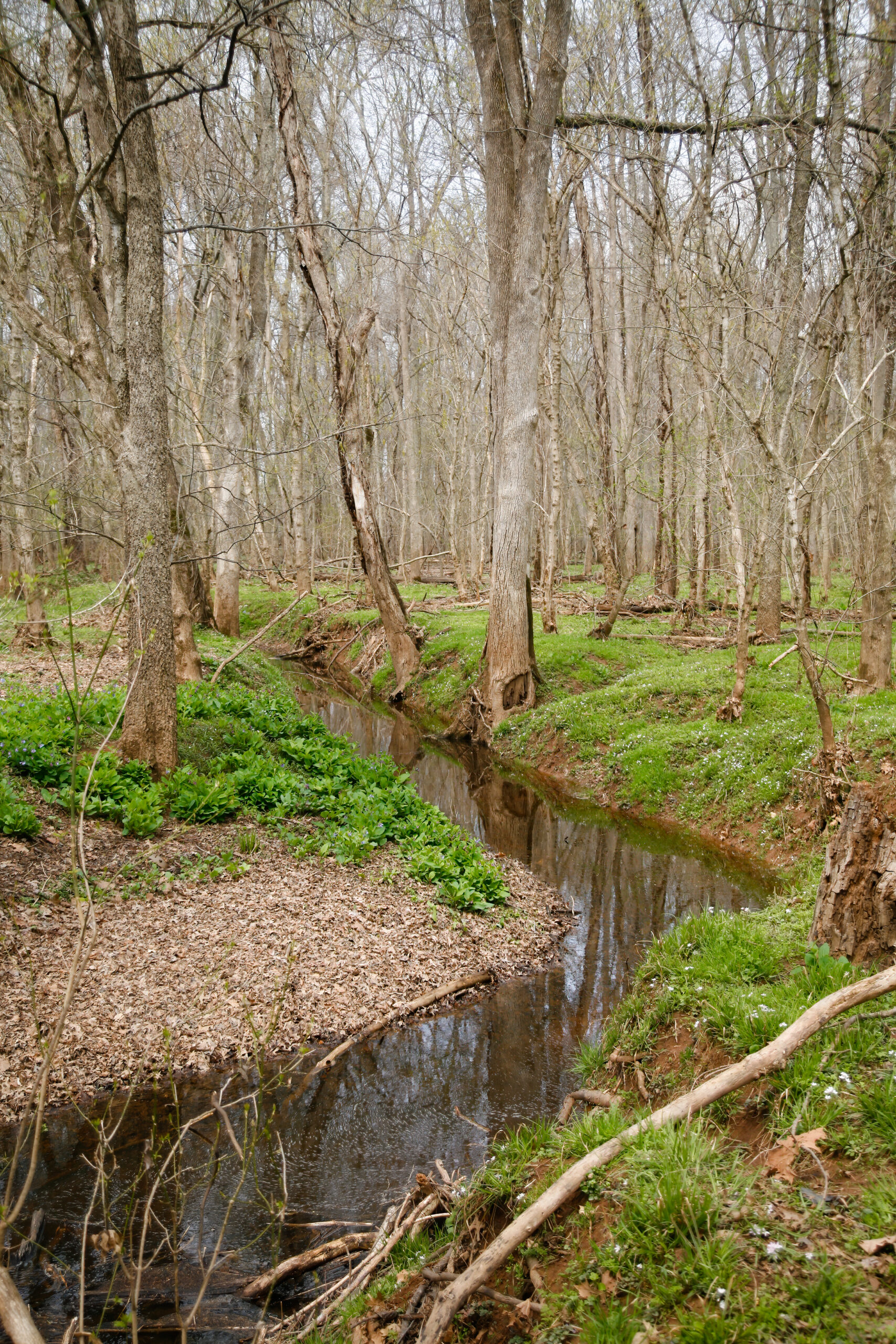
Riparian buffers protect waterways by curbing erosion, filtering pollutants, and providing a healthier habitat for wildlife.
A small change to Albemarle’s rules governing protective barriers of plants and trees around the county’s streams could add up to healthier waterways, happier wildlife, and cleaner sources for our water supply.
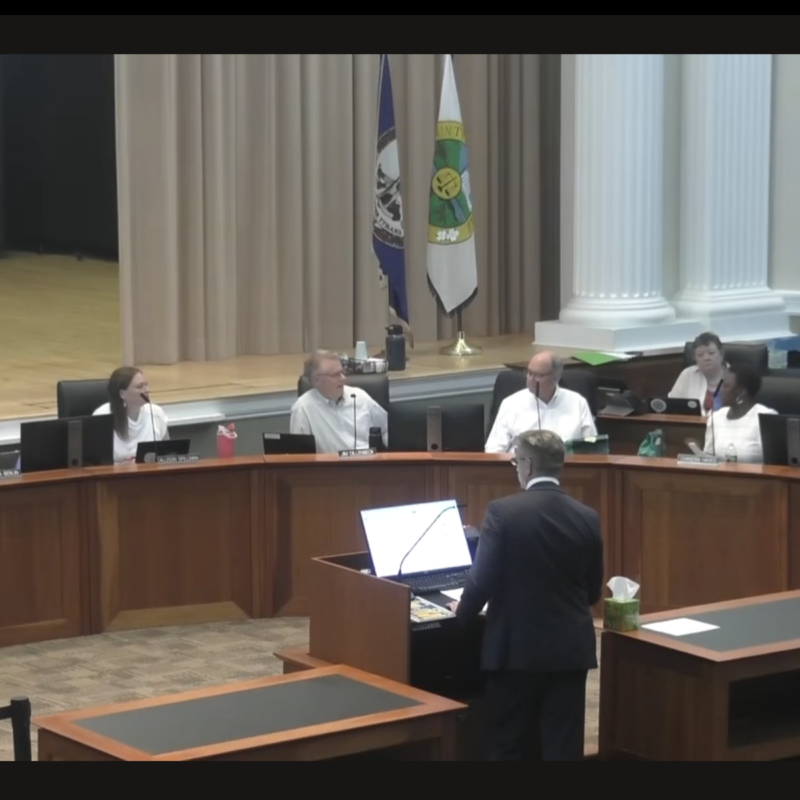
At its June 17 board meeting, the four county supervisors in attendance voted unanimously to expand rules that protect vegetation around streams, creeks, and other bodies of water.
To understand why that matters, you need to know a little about the interconnected system that supplies our water. The water flowing from your tap comes to you, through a treatment plant, from one of several local reservoirs. And the water that fills those reservoirs comes largely from the land and the rivers around them.
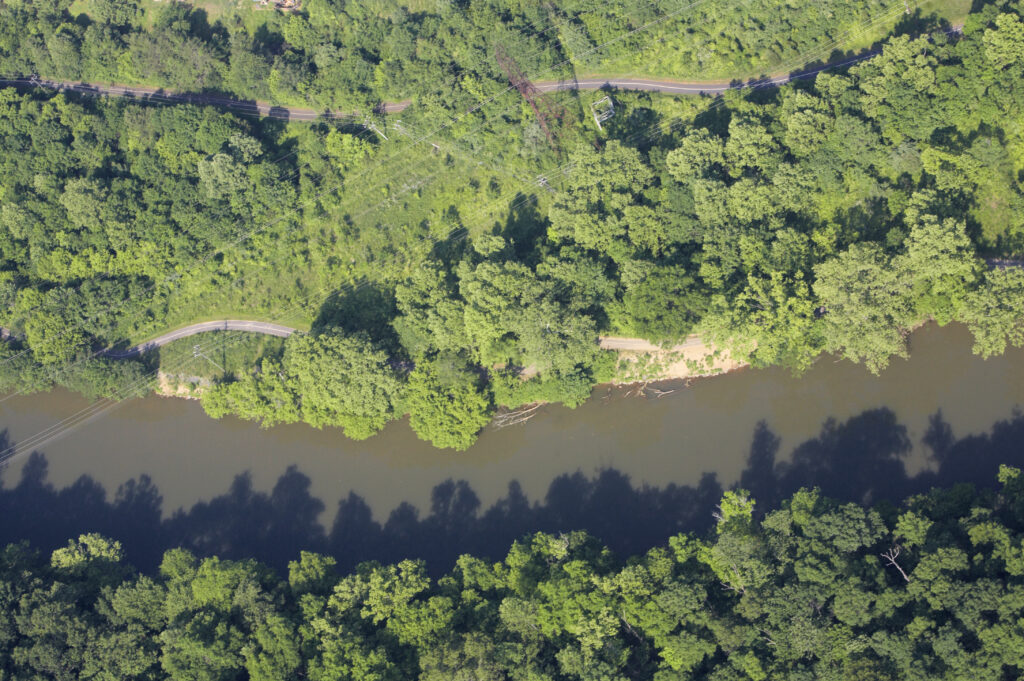
Riparian buffers are thick bands of trees and vegetation that protect the streams and creeks that feed those reservoirs. Diane Frisbee, stream program manager for The Nature Conservancy Virginia, says these buffers offer abundant benefits for humans and animals. They filter and slow runoff into waterways, curb erosion, provide shade that lowers water temperatures, and offer food, shelter, and safe habitat corridors for wildlife.
On the county’s maps, a riparian buffer is a set area to either side of a body of water—usually around 100 feet. While ideal widths can vary depending on the site, Frisbee says that’s generally considered a good, healthy amount of buffer zone. “In general, the wider a buffer is, the more benefits it will provide,” she says.
Sometimes the county allows that buffer to shrink to 50 feet in the development area, as long as landowners first submit a plan to make up for any plants that get removed. And sometimes, in the rural area, the buffer extends as much as 200 feet from the edges of areas at known risk of flooding.
According to county staff, riparian buffers cover around 68,500 acres, or nearly 15 percent of the county. In the development area, these buffers span 1,668 acres, representing 7 percent of that land, while the remaining 66,811 acres make up 15.2 percent of the rural area.
On June 17, the county officially moved the rules around riparian buffers from its water protection ordinance to its zoning ordinance. This change expands the number of places within these buffers where landowners and developers must follow rules to keep vegetation from being cut down or torn out.
Supervisor Ann Mallek says she’s been pushing for changes like these for years, aiming to return to the protections that area streams enjoyed in the 1980s. “Back then, disturbance of 2,500 square feet or more required a bond to the county to ensure project completion and return to permanent cover,” Mallek says. But changes in 2016 weakened those rules, exempting any development that disturbed less than 10,000 square feet from buffer protections, and allowing landowners to destroy trees and other plant life in existing buffers.
“In the new ordinance,” she says, “buffers are protected without any minimum disturbance trigger.” Unless you qualify for one of the county’s exceptions, you’re now expected to leave riparian buffers alone, in the most natural condition possible.
If you want to build within the outer 50 feet of a riparian buffer, you’ll need to submit a plan for the county’s approval showing how you’ll limit the damage by, among other things, planting twice as much vegetation as you remove, and doing so only with native species. The county can even require you to put up a bond before you start such a plan, to be repaid only after you’ve successfully replaced all the promised plant life.
Not all plants are welcome in those buffer zones. The new regulations target invasive species for removal. Native plants “survive the best and operate the best in our climate, in our environment, and in our soils,” says Bart Svoboda, Albemarle’s director of community development. “So rather than have the invasives choke out those natives, which cause[s] other problems, it’s better to put the natives back.”
“Native plants also often have root systems that provide better stabilization along streambanks than those of invasive plants,” says Frisbee. “Invasive plants can also outcompete native plants and create monocultures that reduce diversity of habitats for native riparian animals.”
While the expanded rules oblige most property owners to preserve buffers, the county’s aforementioned exceptions include forestry and agriculture. In theory, farmers can uproot all the buffers they want for timber or cropland. That would seem to work against the county’s stated goal of fostering healthier streams. Svoboda says the issue isn’t as simple as it sounds.
“Farming is protected under the Right to Farm Act in the Virginia Code,” Svoboda says. Local governments have “only those powers expressly granted by the General Assembly. … If they don’t give us that express permission, then we can’t.” The Act forbids any local zoning regulations that “unreasonably restrict or regulate” farming or forestry in agricultural districts, he says.
Svoboda says farmers have their own incentives to protect riparian buffers. “Working farms can function as green infrastructure that help manage stormwater, reduce floods, support biodiversity, and strengthen food security within local economies,” he says. The Thomas Jefferson Soil and Water Conservation District also notes that fencing off streams from livestock leads to healthier herds and more productive pastures. The agency offers farmers funding to build and maintain buffers on their land.
Even with agricultural exclusions, Svoboda says the altered rules will protect healthy streams from damage, help previously harmed areas start to heal, and hopefully encourage more people to appreciate the benefits of healthy, thriving waterways. “We want folks to enjoy those things, so they also understand the value of those things,” he says. “We want to safeguard our waters from pollution.”