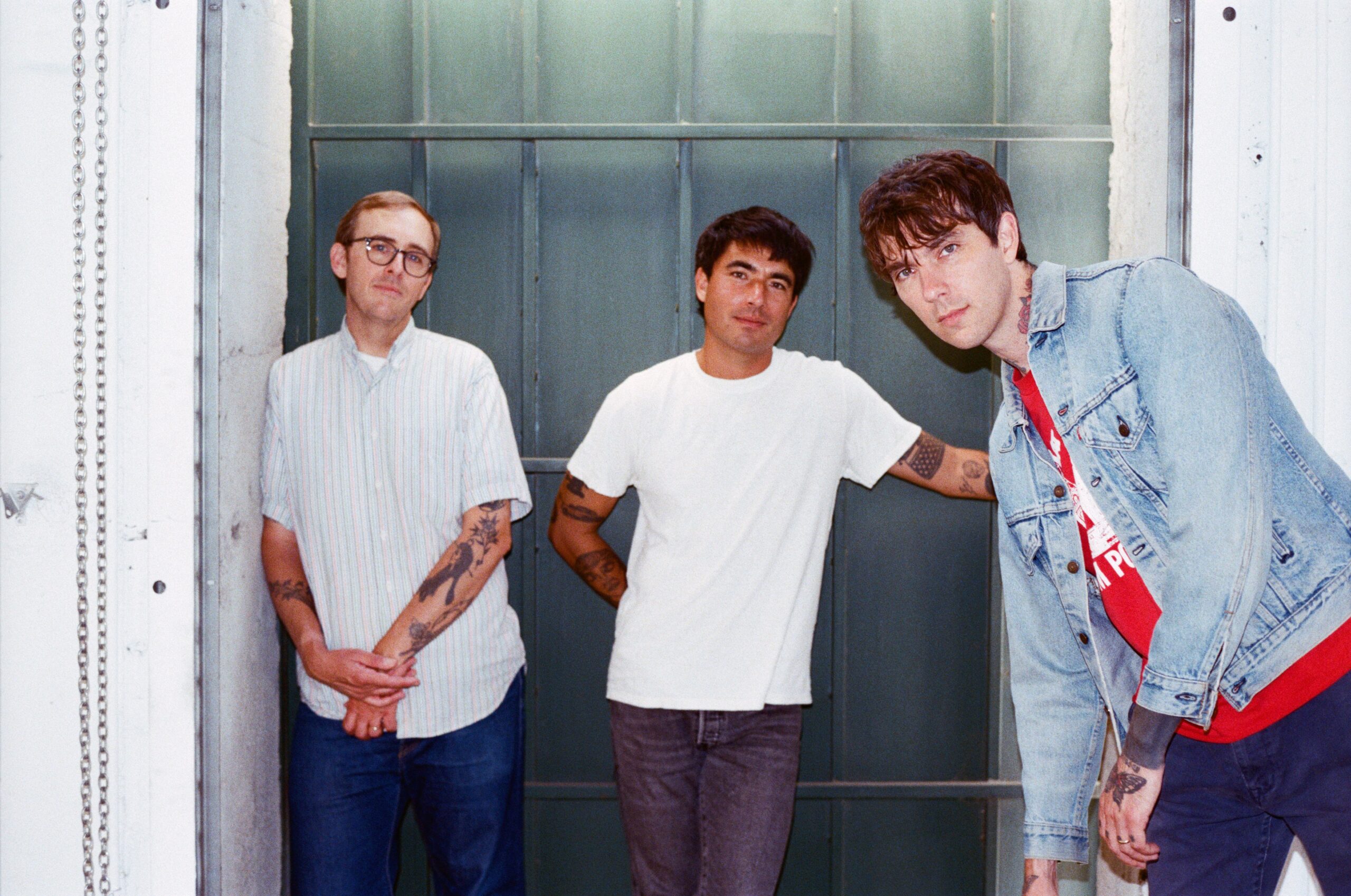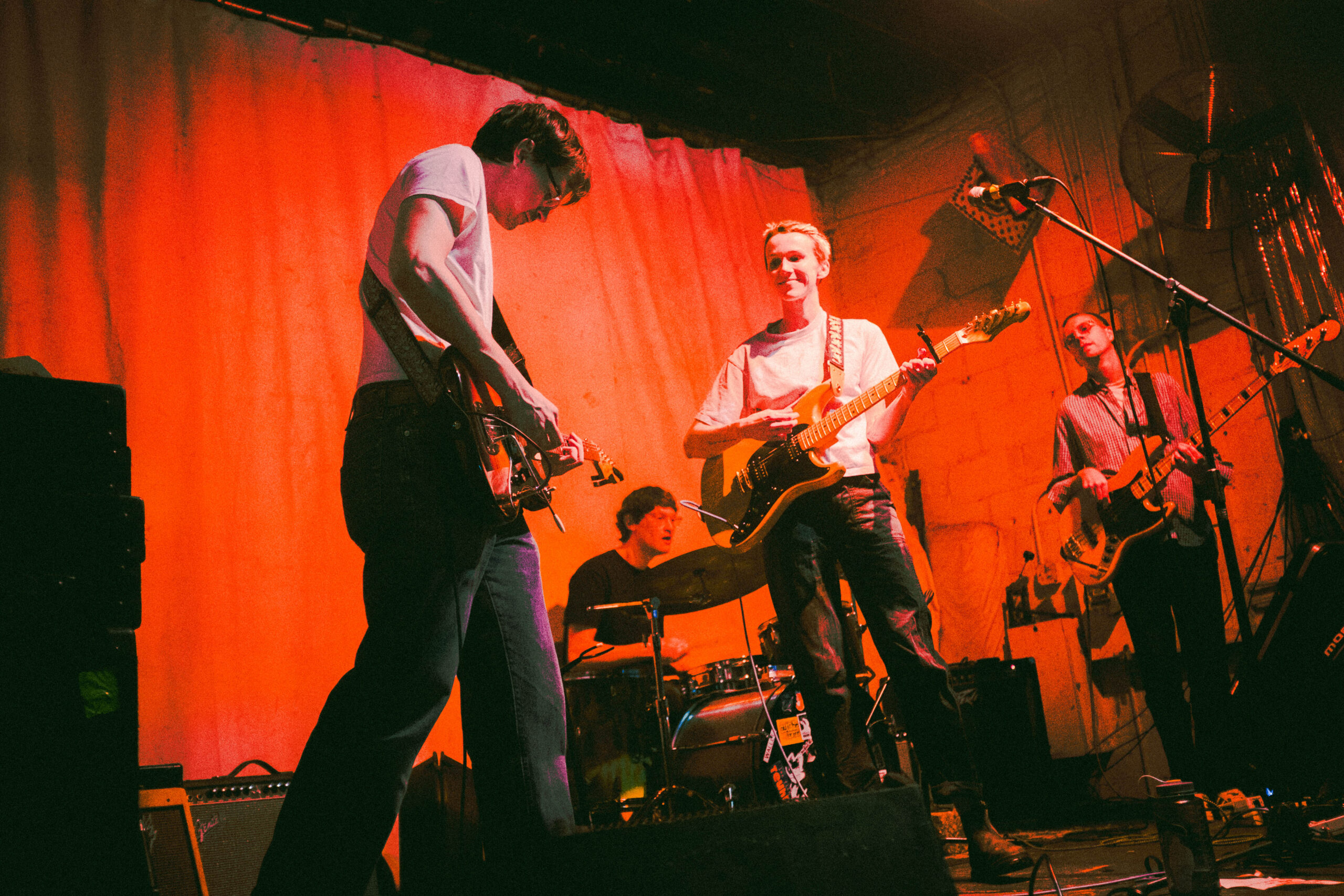
Chloë Ester performs at the Southern Café & Music Hall on November 13, opening for
Harrisonburg’s Dogwood Tales. Supplied photo.
In “Bad, Too,” the opening track on her new EP, I Could Be the One, Chloë Ester is way in her own head, ruminating on a rough breakup. Line by line she moves between raw feelings: relief that there’s no more judgement, anxiety about running into her ex, and realization that there is plenty of blame to go around on both sides. And then, after going through the bitter memories and uncomfortable scenarios, Ester’s frustration bubbles up and she has some harsh words for her former partner. “I hate what I became for you,” she sings, before the song trails off with some punctuating drums and fuzzy fretwork.
Ester, a Charlottesville native who’s become known as a dynamic live performer in the local music scene, spends the majority of the six-song EP detailing the unraveling of this failed relationship, as well as its unsettling aftermath and efforts toward personal resolution. At times, that comes across as reactionary purge—the initial release of angst before one’s ready for measured reflection. That might sound like it could be a downer, but Ester—a candidly open-hearted songwriter—processes the trauma via lean, vital rock arrangements that provide invigorating catharsis for both her and the listener.
Ester’s magnetic voice can go from a lilt to an ache to a soaring, mournful stretch just shy of a wail—sometimes varying within the same succinct verse—and it’s extremely potent for wading through a sea of emotional wreckage. That flexible lyrical delivery evokes the singing of touchstone artists from 2010s indie land: Francis Quinlan of Hop Along, Snail Mail’s Lindsey Jordan, and Katie Crutchfield during Waxahatchee’s louder, messier times on albums like 2017’s Out in the Storm (an essential breakup record).
Some of the gentler moments on I Could Be the One are the most arresting. Album standout “Bitter End” floats along with muted guitar strings, as Ester relays the mundane insecurities of coming home to an empty house, before the solitude sends her into a spiraling list of self-doubts. And in “Push/Pull” she has that dreaded run-in, a chance encounter at a grocery store that brings back old feelings: “I hate that you still make me feel incredible,” Ester admits. “Like a perfect work of art you can’t replace.”
The EP peaks with the two-part title track. The first portion is a melancholy confessional—with watery chords, delicate singing, and vivid, specific memories—in the starkly self-aware style of Phoebe Bridgers. Ester sounds calmer than she did in the album’s earlier songs, some time for reflection has led to regrets and admissions. Then, in the mostly instrumental part two, she decides it’s perhaps best to let the words settle, so Ester and her backing band lean into a grungy, garage jam that gradually builds into the space of tension-relieving post-rock. It comes across as almost meditative, a deep breath after a therapeutic thought storm.