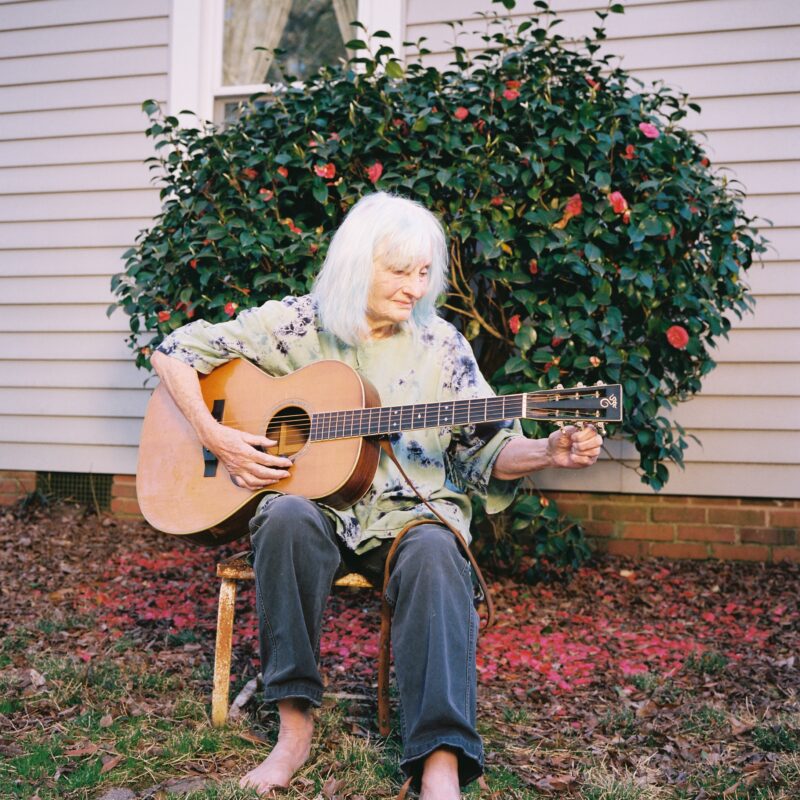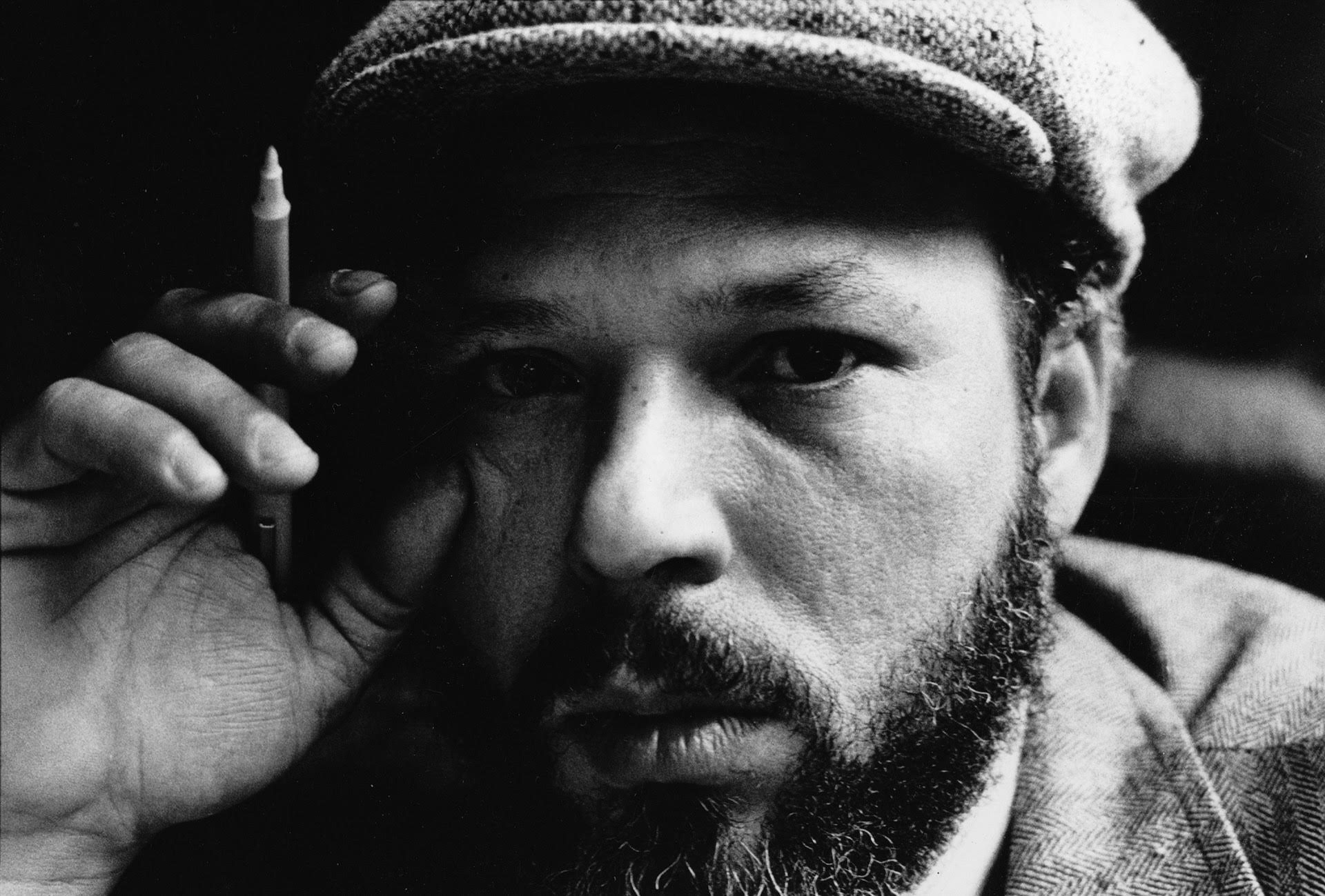
David Vaughn Straughn plays August Wilson (pictured) in the one-man show, "How I Learned What I Learned" on February 20. Supplied photo.
“You can’t say nothing bad about August Wilson,” says actor/playwright/director David Vaughn Straughn. Nor does he have any plans to. The director of Live Arts’ acclaimed 2022 production of Dominique Morisseau’s Pipeline is back at Live Arts for a one-night-only staging of Wilson’s one-man show, How I Learned What I Learned.
Created late in Wilson’s career, How I Learned was inspired by the work of actor-writer Spalding Grey, best known for Swimming to Cambodia, Monster in a Box, and Gray’s Anatomy.
Gray did “a lot of monologues about his life,” Straughn says. “A lot of minimalist shows with just a desk, and him just kind of pontificating about life. And August wanted to do something of that ilk, but about his life and about his experiences and about his being here in America and what that means to him.”
Born Frederick August Kittel Jr.—he took his mother’s maiden name early in his career—Wilson created the Pittsburgh Cycle (also known as the Century Cycle), which included such landmark shows as Ma Rainey’s Black Bottom, Joe Turner’s Come and Gone, as well as Fences, which won the Pulitzer Prize for Drama in 1987, and The Piano Lesson, which brought Wilson a second Pulitzer for Drama in 1990. How I Learned is “kind of like a front-to-back,” Straughn says. “I wouldn’t say it’s a chronological thing, like, ‘when I was a little boy I did this.’ He talks about his first job. He talks about his first loves. He talks about, you know, even though being a light-skinned biracial kid, still experiencing racism at its most vitriolic and just learning how to deal with that. It really unveils the person that he is, and the way that he wrote. He’s very headstrong, very stubborn.”
The work examines Wilson’s moral code and his convictions. “He just wanted respect,” says Straughn. “He never deferred. He never asked or begged for any type of understanding. He said it in the script, verbatim: ‘Demand respect.’”
The presentation is part of Live Arts Friday Night Live series. “What they do is invite independent theater artists to come and put on their work,” Straughn says. “And what better place to do it than the place that I grew up in, and also the state that I love and, you know, that I also harbored my love for theater?”
Charlottesville was also where Straughn first encountered Wilson’s body of work through a collaboration with Leslie M. Scott-Jones, now the curator of learning and engagement at the Jefferson School African American Heritage Center. “She decided to bring the American Century Cycle to the Charlottesville Players Guild when it was at the Jefferson School,” Straughn says. “She and [Jefferson School Executive Director] Dr. Andrea Douglas, who I’m also very indebted to, for letting us use her stage in such a historic place.
“Doing it there, in a historical place like the Jefferson School, does mean something, you know? Work like August Wilson’s that is there specifically to magnify and celebrate Black humanity. It felt very symbolic, just having the pleasure of doing all of his plays there: Being a part of Fences, being a part of Jitney, having the permission and the honor to direct The Piano Lesson, meeting August Wilson’s brother (Edwin Kittel, who visited Charlottesville in 2023) when doing the monologue for the first time and hearing his response to it, has just been an amazing experience. Every time I get to explore a new piece by August, I just fall more in love with him. They don’t call him the Black Shakespeare for nothing.”