Immigration has long been an expensive and confusing process in the United States, something made more stressful by the ongoing crackdown on pathways and people. At a difficult moment in immigration history, Charlottesville-based organizations have found routes to protect some of our community’s most vulnerable neighbors.
Since launching as an independent nonprofit in January, Camino, a former Charlottesville Albemarle Bar Association pro bono project, has focused its efforts on connecting vulnerable immigrant youth with legal and everyday resources. Founded by immigration activist Kristin Clarens, Camino works entirely on Special Immigrant Juvenile cases, which was only a portion of her pro bono workload for CABA.
All of Camino’s clients are pursuing SIJ status, an immigration pathway for children who are unable to reunite with one or both parents due to abuse, neglect, or abandonment in their country of origin. Many come to Charlottesville to rejoin a parent, or other relative, from whom they were previously separated.
“We’re really focused here on getting … what’s called the predicate order, that’s the part that we’re kind of teed up to do en masse,” says Camino founder Kristin Clarens. “We’re scaling up our operation every week, seeing more kids. … The goal is to use the existing network we have to identify these kids, connect them with pro bono attorneys at this first stage, and then help refer them on at the second stage for certain kids who are wanting to go all the way with the immigration fix or who need representation in deportation proceedings.”
Unlike some immigration pathways, SIJS requires applicants to be in the United States at the time of filing. The process to get SIJS begins at the state level, where each state sets its own cutoff age at or above 18 years old. Organizations, including the Legal Aid Justice Center, successfully lobbied for Virginia to raise the age limit for SIJS to 21 years old, which goes into effect on July 1.
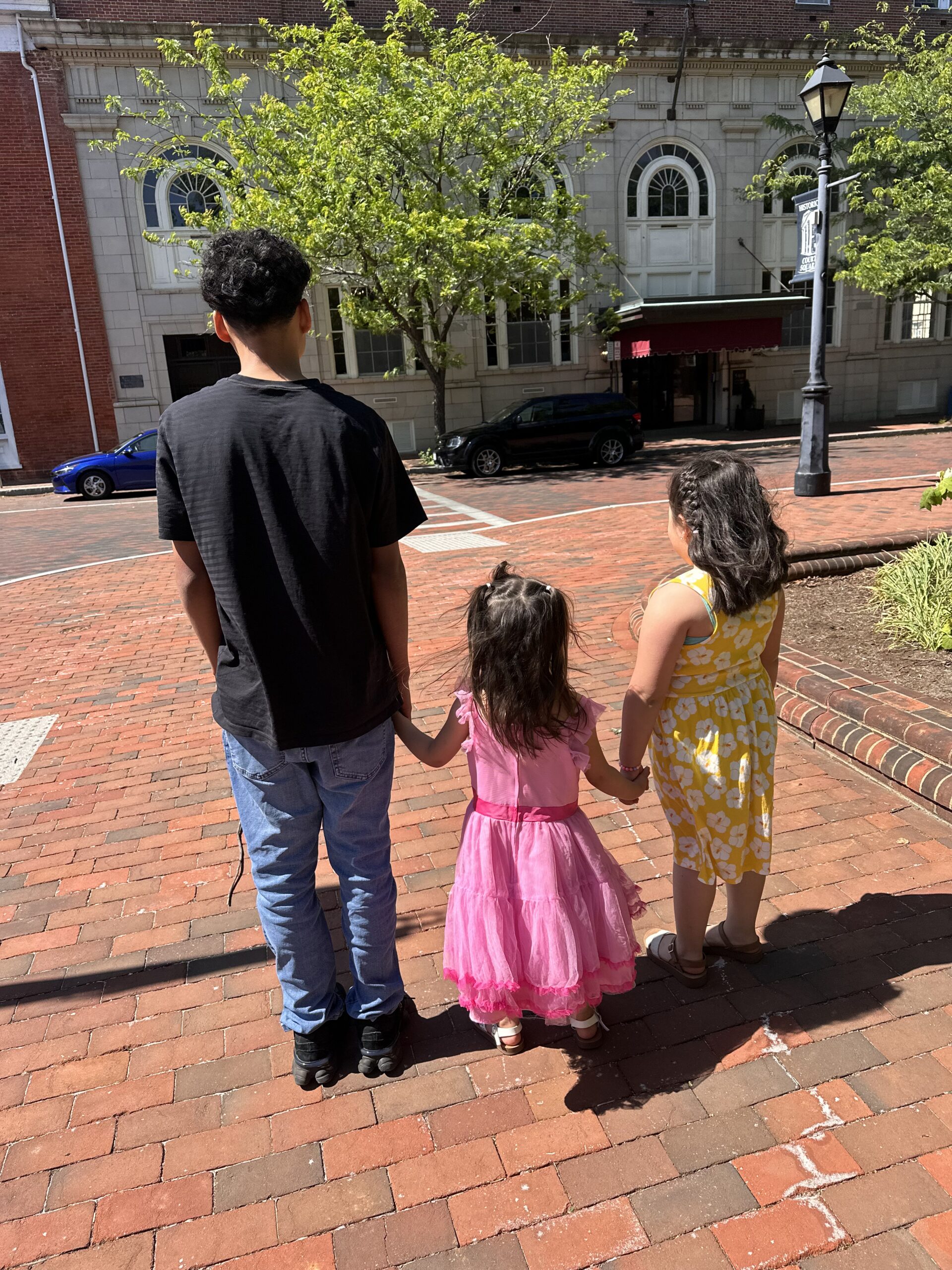
At press time, Camino has 20 clients that range from 4-year-olds to 20-year-olds. The group has been incredibly successful in its legal efforts.
“We have a really high success rate with these cases,” says Clarens. “That, truly, is more a testament to the courts and the pro bono attorneys.”
SIJS, which heavily depends on local Juvenile and Domestic Relations courts, has been one of the few bright spots for immigration activists in Virginia since Donald Trump was elected to a second term in 2024. Protections for immigrant youth have been rolled back under the Trump administration, but SIJS remains a humanitarian pathway that works well, but is heavily backlogged. Per U.S. Citizenship and Immigration Services, 78,156 petitions for SIJS were received in fiscal year 2025. During that same period, 61,055 SIJS petitions were approved, 1,798 denied, and 33,693 were documented as pending.
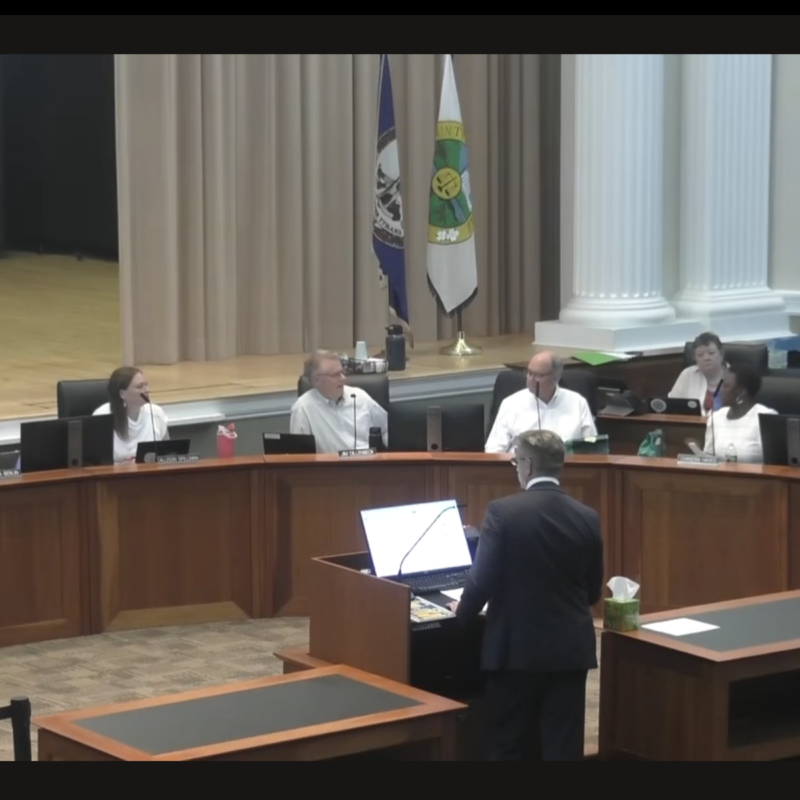
Tanishka Cruz, who has worked in local immigration law for years, recently exited private practice to serve on the bench for the 16th District JDR Court. She is the first Latina judge to serve on the bench. Two of her former clients, both of whom received SIJS, and eventually green cards, spoke at her May 22 swearing-in ceremony.
“Becoming the first Latina judge in this district is historic, and it matters. It sends a clear message to every young person who has faced hardship, to every child in foster care, and to every family rebuilding their lives: You belong here. Your dreams are valid. Your future is not defined by your present circumstances, and there is a place for you in positions of leadership and justice,” said her former client, Claudia, who is now working toward a law degree. “Our community is fortunate. This bench is stronger because of her. And I am grateful because I am stronger because of her, too.”
Cruz and Clarens previously collaborated on pro bono work. For Camino, Cruz’s appointment is exciting not just because of the familiar face, but also her fluency in Spanish. Most (but not all) of Camino’s clients speak Spanish as a first language, making Cruz’s ability to explain court proceedings in that language invaluable.
But Camino’s work with these children and their families doesn’t stop at the courtroom door. Amid a turbulent federal immigration climate and multiyear-long backlog for SIJS visas, Camino is focusing on immediate support for its clients by matching them with everyone from tutors to physicians to drivers’ ed instructors.
“If it enriches the value of my [own children’s] lives … then we’re hoping to replicate those forms of support and energy for these kids as well,” Clarens says. “If you have a family and you’ve relied on a type of service provider, then we’re trying to build our team of that type of service provider, so that these kids get the best standard of care that we can offer in our community.”
With her decade of experience in the pro bono space, Clarens has amassed a network of volunteers ready to work with these children and their families. Any remaining gaps—namely in affordable dentistry and Spanish-speaking driving instructors and therapists—reflect a communitywide shortage rather than a lack of people willing to work with Camino.
More information on Camino, the Grocery Card Campaign, and each of the groups mentioned in this article can be found on c-ville.com.
Eating the cost
From the grocery store to the gas pump, Americans (and their wallets) are feeling the strain of increasing costs. Among the groups most affected by the rising cost of living are immigrants.
In May, a coalition of five Charlottesville groups came together to raise both awareness and support for immigrant neighbors who have been hit particularly hard by cuts to SNAP, in part due to work permit requirements for certain categories of legal residents and visa caps.
The Charlottesville Grocery Card Campaign is the latest collective effort to support those affected by SNAP cuts and rising costs with grocery store gift cards. Sin Barreras, Keep Going Together, Central Virginia Community Support Fund, LAJC, and Indivisible Charlottesville are working together on the fundraising campaign, which has raised almost $14,000 at press time.
“Food insecurity is clearly increasing in the local Latino community, but our clients are hesitant to reach out to organizations for aid,” said Javier Raudales, executive director of Sin Barreras, in a May 19 press release. “[Donations] show that neighbors are responding to our community’s needs, that the wider community is pitching in to help.”