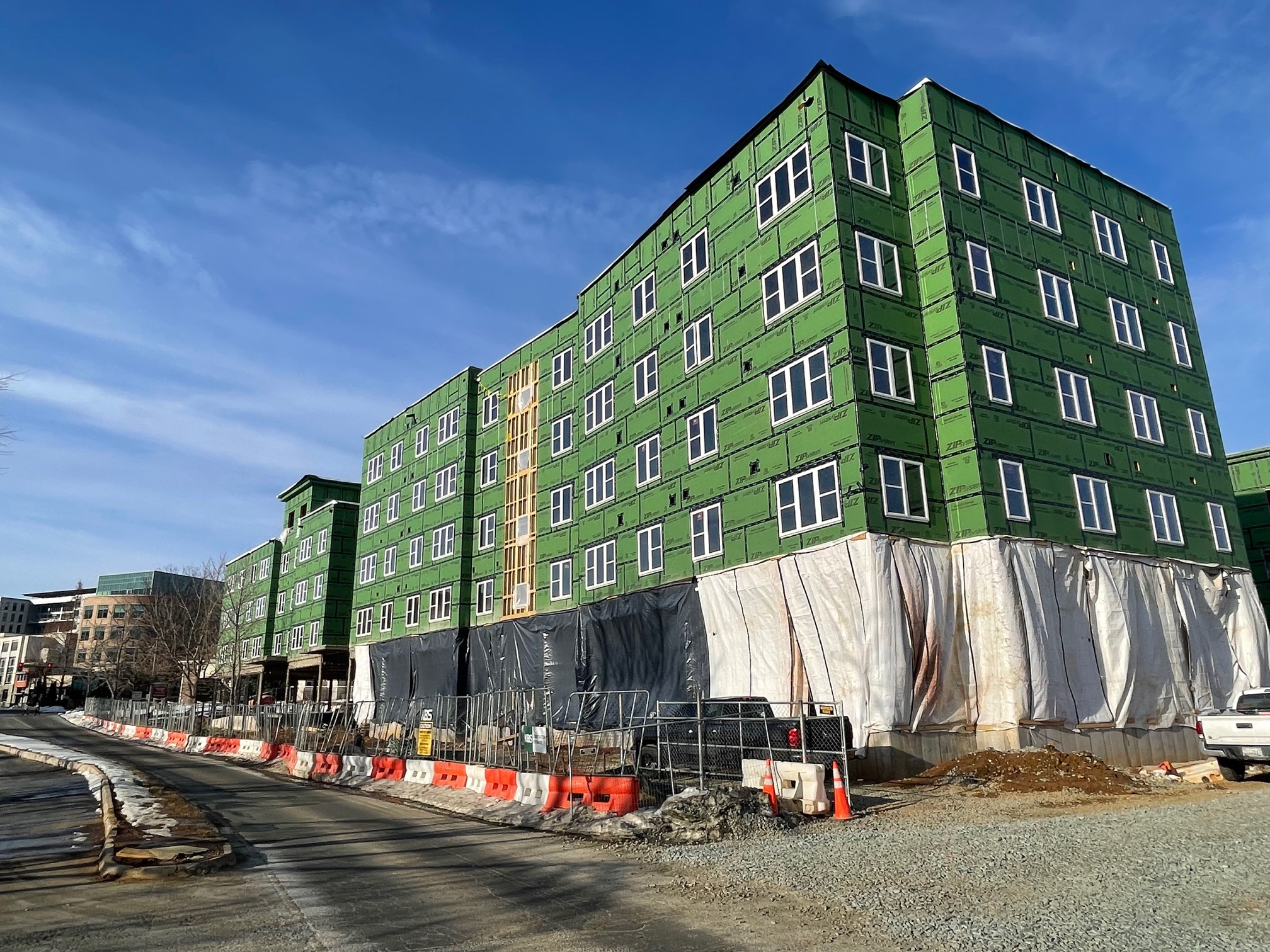
The Albemarle County Board of Supervisors opted not to proceed with a 15 cent increase on the personal property tax rate on April 15, but it did come up with an additional $2 million for the county’s nascent affordable housing investment fund.
“What government does is it steps in and it identifies places where there is a fundamental market failure, where the private market does not provide things that the public needs, like police, like fire and rescue services,” said Supervisor Mike Pruitt near the end of a three-hour deliberation.
Albemarle’s Affordable Housing Investment Fund was created in 2019 but did not have a permanent funding source until May 2025 when Supervisors approved a four-cent increase to the real property tax rate, which dedicated four-tenths of one of those pennies to AHIF. That initially worked out to $1.2 million a year but will rise or fall in the future depending on property values.
In late February, County Executive Jeffrey Richardson included no tax rate increases in his proposed fiscal year 2027 budget, but did include a one-time $3.7 million transfer to AHIF from a reserve known as the fund balance. A 6.2 percent increase in real property assessments for 2026 increased the value of the dedicated funds to more than $1.33 million, providing just over $5 million in the draft budget.
That is not enough for advocacy groups such as Livable Cville and IMPACT, who for two years have asked Albemarle to immediately spend $10 million on housing annually to match what the City of Charlottesville provides to nonprofits and the Charlottesville Redevelopment and Housing Authority.
Both Pruitt and Supervisor Sally Duncan have been pushing their colleagues to find whatever money is available to reach the $10 million target. On March 18, there were enough votes to advertise a personal property tax increase that would have generated an additional $2.5 million for AHIF in FY27.
Supervisor Fred Missel had been part of that majority but shifted his vote after the public hearing on April 15.
“After getting a lot of input from the public and learning more about the challenges that we’re facing and also recent impacts on gas costs, fuel costs, and so on, I am no longer in favor of support,” Missel said.
Missel said he would support use of other one-time money to fund AHIF closer to the target.
Toward the end of its discussion on April 15, the Board reached consensus on repurposing $1.15 million that had been slated for an economic development fund. It also agreed to divert another million that was going to be set aside for contingencies to bring AHIF to a total of $7 million in the next fiscal year.
“That’s just muddy, complicated work to work through,” said Supervisor Ned Gallaway at the end of the item. “I think we’re at a good point, though, that the public will know where we’re at coming into next Wednesday.”
The meeting begins at 6pm in Lane Auditorium on April 22. Supervisors will also hold a work session later this spring on how projects get selected and other aspects of AHIF.