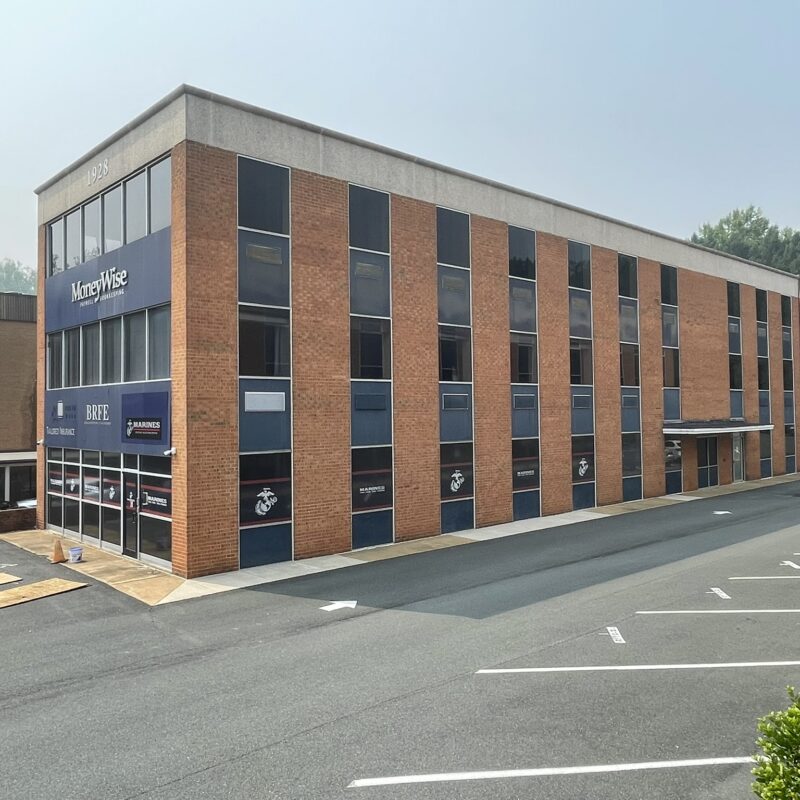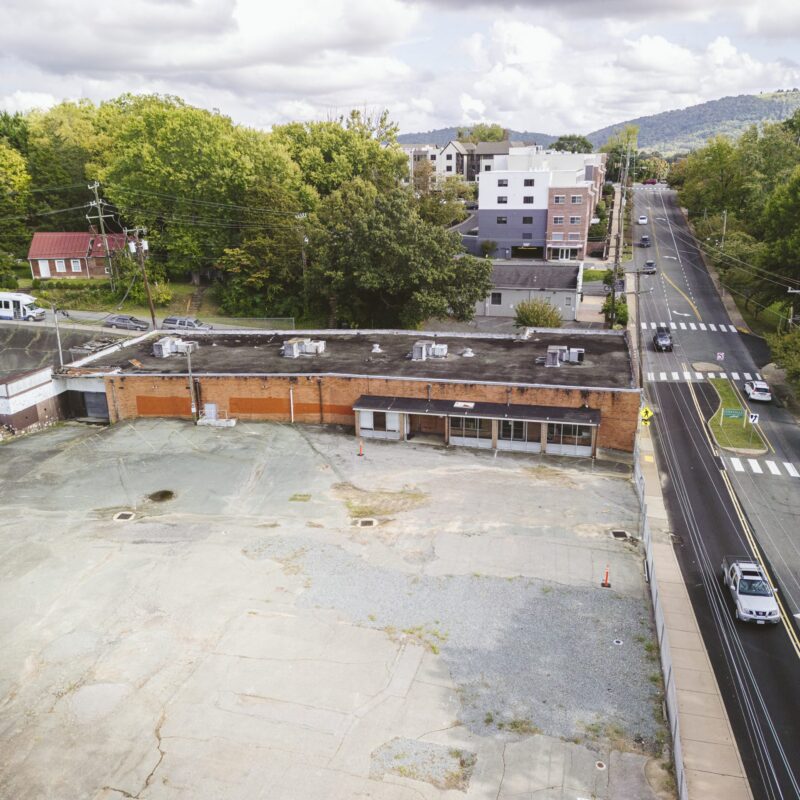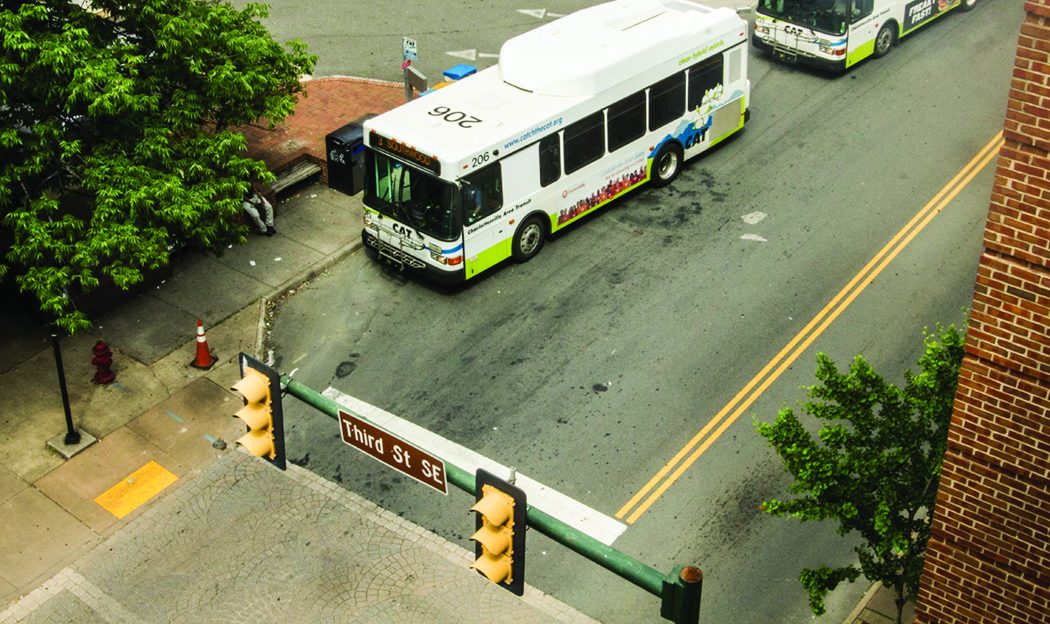
CAT ridership in 2024 was just over 1.35 million, covering a population of 85,775 and a service area of 38 square miles. Staff photo.
When the Charlottesville Regional Chamber of Commerce led a delegation of government and business officials to Chapel Hill this past May, participants had the chance to see how the University of North Carolina interacts with the town it calls home.
“The one thing that came up in every single session was partnerships,” wrote Quana Dennis on a blog post on the Chamber’s website. “The connection between higher education and the business community, the fare-free transit system that takes mobility off the table as a barrier, none of it fell into place on its own.”
Dennis, a doctoral candidate at the University of Virginia, was one of 35 people who took a charter bus south for a three-day trip to learn about how the UNC community deals with affordable housing efforts, economic development, workforce development, and how people get around.
On September 27, a delegation from the Chamber for a Greater Chapel Hill-Carrboro will visit Charlottesville to see what they can learn from this area. Along the way they will make a stop in Richmond to see the Greater Richmond Transit Company’s Pulse bus rapid transit line.
On the day the group arrives, none of the city’s buses will be running. Charlottesville Area Transit has not had Sunday service since the beginning of the COVID-19 pandemic. Jaunt does operate paratransit services and the University Transit Service buses will be running on a limited schedule on routes that only focus on the immediate area around UVA.
The May trip gave local officials the chance to visit a community with a unified transit system funded with an annual budget of roughly $36.5 million of which UNC-Chapel Hill pays a third.
“I was impressed with a lot of things in Chapel Hill, but one of the things that I’m most impressed with is their integrated public transit system that’s been integrated since 1974, and the ridership is amazing in that community,” said Albemarle County Executive Jeffrey Richardson at the September 16 Board of Supervisors meeting.
According to the National Transit Database, ridership in 2024 on the Town of Chapel Hill’s system reached 7.7 million with an average of 14,683 passengers each weekday and a Sunday ridership of 1,818. The system serves a population of 80,218 in a 62-square-mile service area.
In comparison, Charlottesville Area Transit’s ridership in 2024 was just over 1.35 million and has a service area of 38 square miles covering a population of 85,775. Jaunt, a public service corporation with shares held by local governments, had a 2024 ridership of 228,046. The University Transit Service is not required to report its data to the U.S. Department of Transportation because it is not federally funded.
Richardson’s comments came at the end of a discussion on a funding prioritization study that is being conducted for the new Charlottesville Albemarle Regional Transit Authority. The entity, for now, is set up for planning purposes only and plays no role in managing CAT, Jaunt, UTS, or any actual transit system.
“We got a community that’s a sister community that’s willing to share with us,” Richardson said. “We’ve got interest from the University of Virginia in learning more about that, and we just got a lot of work to do.”
Albemarle has been stepping up funding for CAT operations and will pay $3.1 million in the current fiscal year, up from $1.86 million in FY25. This year’s figure does not include the $1.42 million Albemarle will pay CAT to operate the MicroCAT on-demand service.