Got milk? Virginia does.
From minute milk exosomes that deliver drugs and beauty to high-tech breastfeeding devices, infant milk sharing apps, and dairy in its raw form, a look at a few of the ways the white stuff helps our region rise to the top like—well, you know.
On milk
Registered UVA Health dietitian Katherine Basbaum—who earned degrees from Tufts and UC San Diego—often sees patients who believe swapping dairy for plant-based milk is healthier. But that isn’t always the case, Basbaum says. Here, Basbaum gives us the skinny on milk consumption, breaks down its varieties, from whole to skim, and weighs in on the advisability of downing unpasteurized products (hint: “Drink at your own risk,” she says).
C-VILLE: Since January, whole milk is back on the menu at American schools. Is the saturated fat in whole milk different, than, say, the saturated fat in a steak?
Katherine Basbaum: That’s the argument, yes. There’s some research that’s emerging, though it’s not fully conclusive, showing that the saturated fat in dairy products as compared to other food products may not have as detrimental an effect, and may not increase the risk of mortality or cardiovascular disease development.
There’s a lot of talk about the dairy matrix, and I respect the science. There are other components in milk, though. We also know that saturated fat, regardless of where it comes from, can raise LDL or bad cholesterol. Whole milk is also higher in calories. It’s a bit all over the place.
Guide us through how much to consume and what milk types to consider.
This is tricky. It’s recommended that healthy adults consume about three cups of dairy a day, and whether that’s yogurt, milk, or cottage cheese, you get similar benefits. But here’s the kicker: The new Dietary Guidelines for Americans says it’s okay to do whole milk, butter, or beef tallow, but the recommendation still says our daily diet should be 10 percent or less of saturated fat.
So if you consume three cups of whole milk, even if you consume no other saturated fat during your day—chicken, a piece of chocolate, a cookie, or butter on your potatoes—it will eat up about 75 percent of your maximum saturated fat recommended per day (on a 2,000 kcal/day diet). In other words, if you decide to drink three cups of whole milk per day, that’s fine, but know that it will only leave you with enough saturated fat left in the bank for one small chicken breast, plain, no skin.
Milk fat (not whole milk) is about 60 percent saturated fat by weight. In other words, saturated fat accounts for about 60 percent of the total fat in whole milk. And that causes big confusion on the part of a lot of nutrition scientists and dietitians. There’s 8 grams of total fat in whole milk, and about 5 grams of that total comes from saturated fat.
What about milk types?
You have your 0 percent fat, or skim milk, your 1 percent, your 2 percent, and whole milk, which is 4 percent milk fat. But when marketers say whole milk is ‘96 percent fat free,’ people might think, ‘Oh, that’s pretty good.’ That feels deceitful. They’re flipping the script. For anybody watching their calories, that is reason alone to choose a lower-fat percentage over whole milk.
Regardless of milk’s fat content, the protein is the same. All of the other nutrients are also still in there. In whole milk, vitamins A and D occur naturally because they’re fat-soluble vitamins, but lower-fat milk is fortified with vitamins A and D, so you’re good either way.
What about whole milk making you feel more full?
There’s truth to that, but for a good reason: Calories and fat give you more satisfaction, satiety, and fullness. But it’s almost double the calories and higher fat.
Are there certain times in life when consuming milk is more important than others?
It’s good for kids so they get enough of the vitamins, minerals, calcium and vitamin D they need for brain growth and development. It’s also good for those in the 60-plus age group, when there’s an increased risk of osteoporosis.
What about the plant-milks: almond, soy, oat, etc.?
The differences between them are far and wide. Soy milk is closest to cow’s milk in terms of naturally matching the protein content and fat and minerals, but something like almond milk has almost no protein.
If you avoid milk, are you missing out?
It’s not like there are things specifically in cow’s milk that you absolutely can’t get anywhere else, like in animal proteins, beans and legumes, leafy greens, and fish. I’d never say, ‘Oh, you don’t drink milk? You’re doing such a disservice to yourself.’ It’s an easy way, though, to get nutrients like protein and calcium.
What’s your take on raw milk?
It scares me a little bit. In 1987, the FDA banned interstate sales of raw milk intended for consumer use. In Virginia, it’s illegal to buy it from a store, but herd shares are a way to get raw milk legally.
But it’s drink at your own risk. … How well do you know the farm where you’re getting your raw milk? Are they mindful of udder infections or fecal matter in the tanks? There are reasons why raw milk can be dangerous … it’s the pasteurization process that knocks out the bad bacteria and potentially life-threatening issues.
From a nutritional standpoint, a lot of raw milk’s claims—that it’s less allergenic, that it bypasses lactose intolerance, that it has probiotics—are just, no. Now, if you pick raw milk because it tastes better, and because you know the strict practices being taken, then I would say, by all means. But you’re not getting anything extra that you wouldn’t get from pasteurized milk.
People will disagree with me on that, but the research just isn’t there about whether it reduces inflammatory bowel disease or improves lactose intolerance or has greater nutrition. There’s some research but it’s not strong and there aren’t human trials, not the kind of research that diet and health professionals consider to be robust and conclusive.
Raw milk doesn’t contain more protein. Raw milk’s probiotics are in such small amounts, so don’t even bring it up and trick people. With raw milk, you’re getting comparable nutrition, protein, mineral content as you are with pasteurized milk. There’s less vitamin loss in raw milk, but these vitamins—A and D, B vitamins, folate—are in such small quantities to begin with so it’s inconsequential as far as I’m concerned.
Little things of big significance
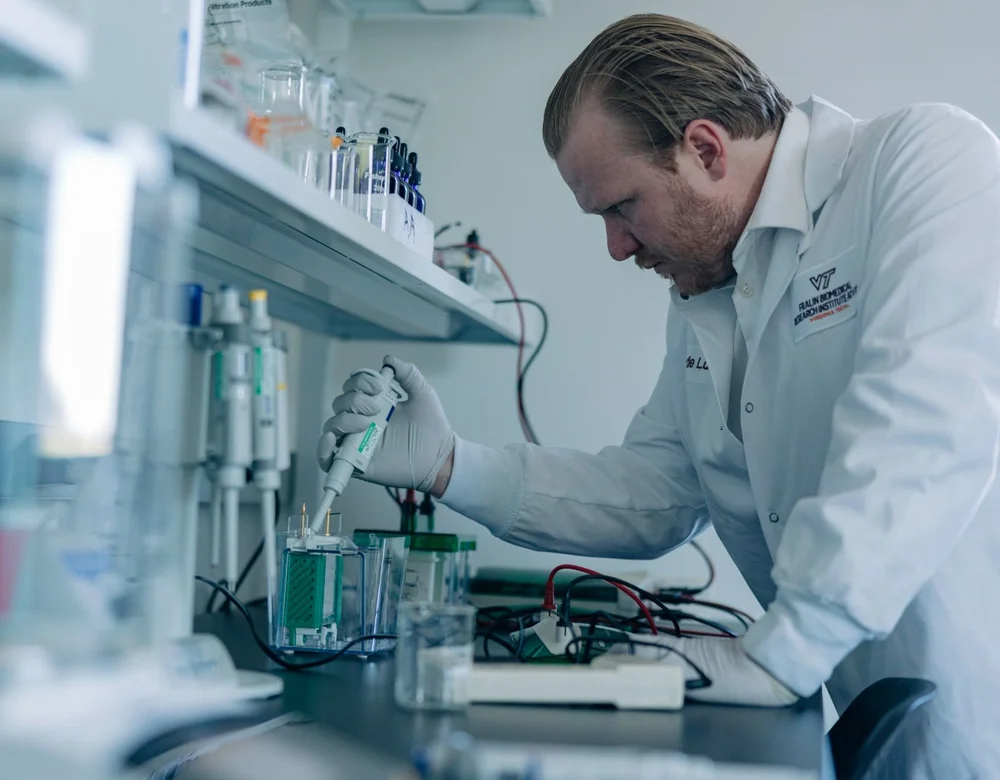
Even a few years back, Spencer Marsh’s fascination with exosomes—the minute intracellular messengers present in all living tissue, but particularly abundant in milk—wasn’t much of a conversation starter.
“While I was a student, my mentor said, ‘I wouldn’t really bother with those, they’re just garbage chutes to get rid of stuff,’” recalls Marsh, now chief scientific officer at Roanoke-based biotech company Tiny Cargo. “The prevailing notion at the time was that these were just little things of little significance.”
Today, though, Marsh and his colleagues believe that those milk-derived exosomes (and other extracellular vesicles, so-called EVs, like them) are the key to immunity, healing, and well-being. EVs efficiently tote and precisely deliver pre-loaded drugs, and research shows they can help mitigate debilitating radiation side effects in patients with certain kinds of cancer, and reduce scarring and regenerate cardiac tissue in those who’ve suffered heart attacks. On their own or with their teensy pharmaceutical loads, EVs can improve skin, strengthen bones and muscles, fortify the gut—even protect humans from lethal doses of radiation. Down the road, exosomes may even deliver monoclonal antibodies by binding to antigens to target specific diseases.
It was 2023 when Marsh and his colleagues, including Tiny Cargo CEO Robert Gourdie, first isolated exosomes from cow’s milk, transformed them into a shelf-stable powder, and figured out how to load the tiny transporters with drugs that could be taken by mouth. Soon, they’d developed XOlacta, a product currently in clinical trials, which appears to protect heart tissue and limit the spread of cell death after a heart attack.
For cancers that metastasize quickly and require large-scale irradiation—such as HER2 breast and brain cancers—there’s evidence that XOlacta lessens some of radiation’s most horrific side effects, allowing “these patients to get that curative benefit of radiation without ruining their quality of life along the way,” Marsh explains.
Tiny Cargo owes its more recent foray into the cosmetics industry to its overabundance of product—95 to 98 percent more than what was needed for clinical trials—which means lately that Marsh and his colleagues are rubbing elbows with plastic surgeons, keynoting cosmetic chemists’ conventions, and jetting off to Paris for a make-up R&D event.
“I never thought that I would be working with milk and cosmetics in my life,” chuckles Marsh.
Homestead Creamery delivers about 300 gallons of skim milk each week to Tiny Cargo’s manufacturing facility, where it’s transformed from food to pharma. And while the company’s interested in using EV-rich raw milk as a starting point for its products down the line, given that pasteurization kills about 90 percent of exosomes, Marsh and his team still have more figuring to do before that happens.
Until then, he’ll stir a little in his coffee—“I don’t really drink milk anymore,” he says, “and people think that’s weird”—and consider the tiny possibilities.
Bosom buddy
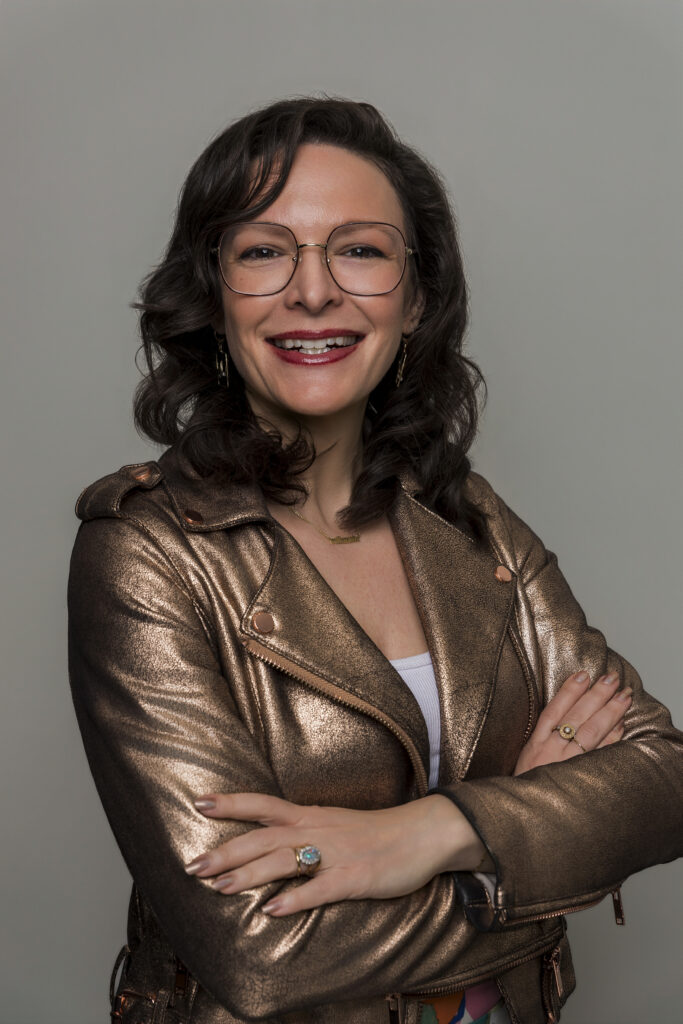
The crying was driving new mom Jenny Lynn Walding insane.
“I’d thought I’d ruined our life,” says Walding, who lives in Lake Monticello. “She’s crying, I’m crying, we had a disabled dog at the time, and she’d be whining, navigating this new dynamic of not being at the center for everything.”
In the bewildering beginning of parenthood, breastfeeding proved particularly agonizing. Walding saw stars every time her baby suckled. Her breasts were bruised, and her nipples actually blistered. She got mastitis, which left her breasts inflamed, hot, and hard to the touch, despite using tools like a breast pump and nipple shields that promised to help, but didn’t.
Worse, her baby didn’t gain weight. Doctors called it “failure to thrive,” and instructed Walding to track her daughter’s weight before and after nursing, which a frazzled Walding did.
“I would bring her to the breast, and she would, in air quotes, feed,” recalls Walding, “but they were non-nutritive sucks. She wasn’t having these long draws, wasn’t effectively removing milk, which then also told my body to make less milk.”
By the time doctors diagnosed the infant’s tongue-tie seven weeks later—a condition that dramatically limits the tongue’s range of motion, easily remedied with a quick snip of the frenulum below the tongue—Walding was at her wit’s end.
“I‘m looking at this nipple shield,” she recalls, “and was just, like, ‘This is a dumb nipple shield!’ I love to hate it, I hate to love it. But why am I not getting more insight?”
—
Nipple shields aren’t new. For at least 500 years, the devices (made of metal, glass, wood, wax, animal skin, and, more recently, silicone) have been used to improve babies’ latch, breastfeeding longevity, deal with engorgement, prematurity, cleft palate, torticollis, and tongue-tie.
While some breastfeeding experts discourage their use, for others, nipple shields are foundational. Even revelatory.
That was true for Walding. Her invention—a smart nipple shield that measures milk flow, composition, and assesses a baby’s latch—tethers to an app that gives data about what’s coming out, what’s going in, and whether it’s enough.
While few similar devices exist, Walding says hers “improves the mousetrap” with bi-directional insights as well as text and phone support. Her “moonshot” is to help the 86 percent of moms who initiate breastfeeding do it longer, and support the 60 percent of women who stop breastfeeding before they intend to.
“We want to make sure they’re not having this huge cliff drop-off because of lack of support because they either believe they’re not making enough milk or actually have an issue with milk supply,” says Walding, who, after remedying each child’s tongue-tie was able to successfully breastfeed. “Right now, there’s no way to tell the difference.”
The American Academy of Pediatrics recommends that women exclusively breastfeed for their babies’ first six months of life—something only about one-quarter achieve.
“That’s the state of affairs right now, is this struggling,” Walding adds. “We need to remove the subjectivity from the space of infant feeding.”
—
MilkMade’s teardrop-shaped design offers small cavities for a battery and sensors that transmit data to the app. Walding’s earned $75,000 to scale the tech and apply for two patents in anticipation of what she hopes comes next: $1.5 to $3 million to develop working prototypes to be distributed and refined by breastfeeding moms, lactation experts, and providers.
MilkMade’s final lap, Walding says, would include clinical trials and, ultimately, FDA approval as a medical device.
That will take years. But Walding’s in it to win it.
“When we have self-driving cars, when we’re going to Mars, when we’ve brought back the dire wolf, while we’re in dire straits about what is literally the foundation to health and humanity, which is human milk,” says Walding. “That’s why I need the moms, I need the researchers, I need the investors. If there is a takeaway, it’s that human milk will set us free.”
—
There’s a joke in the Waldings’ home about doors. Her husband, who works in sales from his home office upstairs, has one, and their girls, now 8 and 10, know to knock. Walding’s office, though, just to the right of the family’s front door, is doorless.
There’s a metaphor in that.
“I pitch to a lot of people who don’t look like me,” Walding muses, “and I can see the eyebrow raises, or the head nods. Breeding is one of those, ‘If you know you know.’”
Part of MilkMade’s power, she says, is the talking it spurs, which is critical for ultra-mobile, hyper-connected, but often lonely new moms who don’t know how, who, or even what to ask.
“What if we started normalizing conversations,” Walding says, “saying things like, ‘You’re feeding, it’s 5pm, 90 percent of users experience a dip in [breast] milk supply in the late afternoon. It’s not because you’re actually producing less; it’s that your milk content has a higher fat content. Keep up the good work!’”
“One of the largest predictors of breastfeeding success,” Walding winks, “is will.”
Raw product
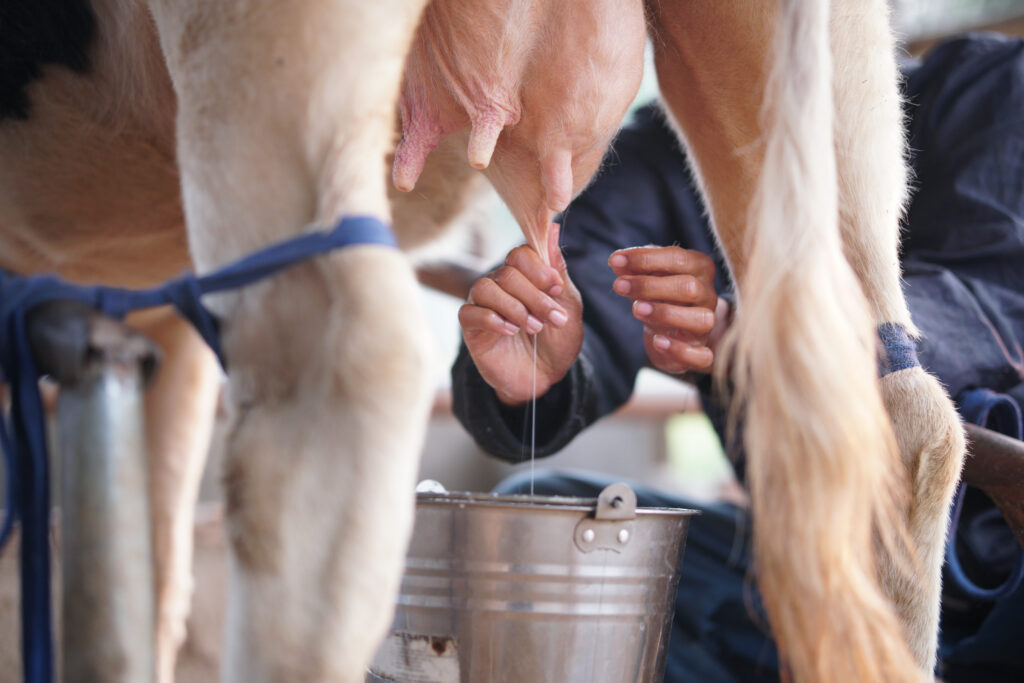
When the LaVoy family travels, they’ve learned to choke down traditional grocery store milk—or simply avoid it. But the decision to switch to raw milk six years ago really began with chickens—and the family’s budget.
“When we moved here from Fairfax, getting animals, like chickens, was the first thing we did,” says Mabby LaVoy, 42, mother of four and a former elementary school teacher who works for a local stationery company. “I’ve always gravitated toward minimally processed food—whether it’s making bread, yogurt, raising meat chickens. All of that was motivated by finding food that has fewer ingredients, but also the cost savings. Organic anything was out of our budget.”
So when LaVoy discovered a local herd share that cost the same as traditional organic pasteurized milk, “It was a no-brainer,” she says. “And the delivery spot was right around
the corner!”
Today, the LaVoys pay about $22 a week for three gallons of raw milk from Keezletown-based Windy Hill Farm, which, like the state’s largest raw milk producer, Creambrook Farm, milks butterfat-rich Jersey cows. Most weeks, they use it all.
And raw milk isn’t just for drinking. The LaVoys use it to make butter, sourdough bread, yogurt, biscuits, and Alfredo sauce. And while they don’t think it’s actually healthier—“the science says raw milk’s nutritional profile is pretty similar [to pasteurized milk],” says LaVoy—they like knowing their food’s origin story.
“We have more of a country lifestyle,” explains 10-year-old Gwenie LaVoy, a rising fifth grader, “and I just like that better.”
Liquid gold rush
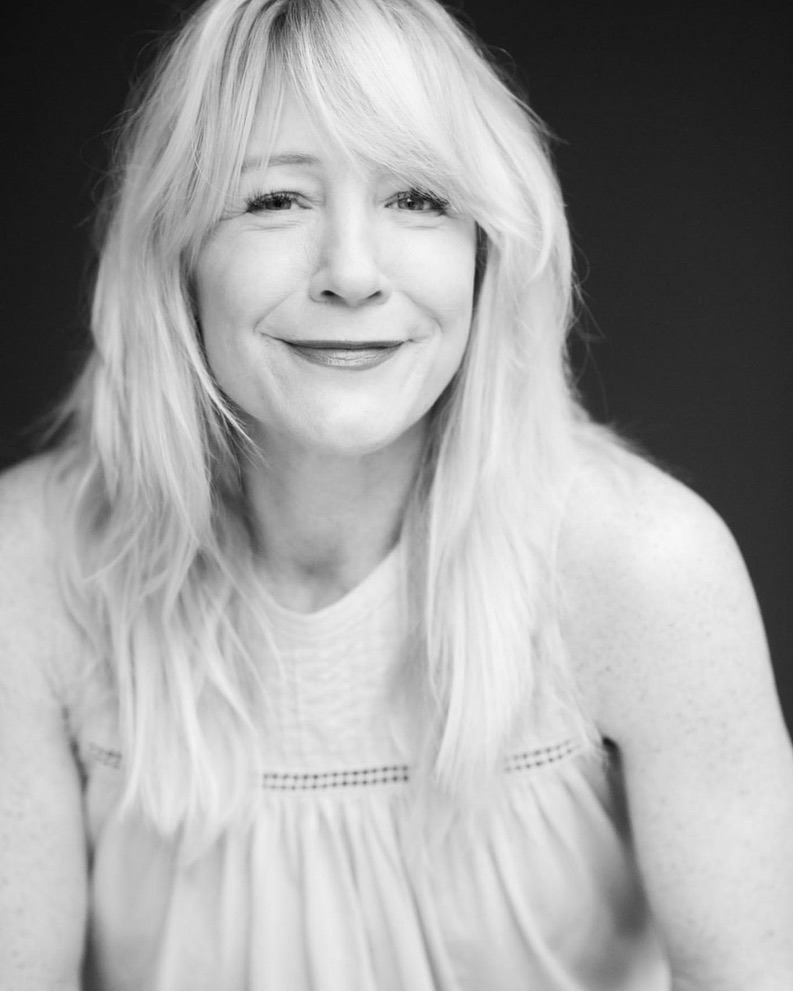
For someone with neither biological children nor breasts (having undergone a double mastectomy in 2017 after a breast cancer diagnosis and having her silicone implants “explanted” in May 2026), Share the Drop founder Kelly Cox is, perhaps, an unlikely breast milk champion.
“I just think we should feed babies,” says Cox, a birth doula, yoga teacher, and podcaster. “Whatever way you do it is the perfect way.”
It was a free lactation support group where Cox first heard about women’s infant feeding angst. The Share the Drop app, which Cox launched in 2022, became a virtual breast milk exchange in a space previously occupied only by Facebook. Since then, more than 6,000 parents—mostly in Richmond, Washington, D.C., and Charlottesville—have downloaded the app, offering “liquid gold” to everyone from those with low milk supply and breast cancer diagnoses to same-sex, foster, and surrogate families.
It’s even connected people in disaster zones with hungry babies—think of the Los Angeles fires and Hurricane Helene—when clean water isn’t available to properly prepare formula.
Share the Drop recipients pay $20 a month for the app; donors pay nothing. Those eligible for government support, such as WIC or SNAP, get it for free.
Now, though, Cox says it’s time to pass her baby on. She hopes to sell the app—“the hardest thing I’ve ever done,” she says—and get busy with what’s next: securing funding to produce a surgical recovery bra for those recuperating from mastectomies and explants (when silicone breast implants are removed).
“It’s my way of being a mom,” Cox laughs, “but it just looks different than actually carrying babies and paying for braces and going to Disney World.”