As much as we like to name drop the tent- pole titles and celebrity guests that give the annual Virginia Film Festival and Charlottesville a Hollywood glow each fall, we also delight in recognizing the five-day fest’s impressive lineup of Virginia- connected films and filmmakers.
Our coverage of the 39th VAFF includes interviews with director/writer/producer Andy Edmunds, whose experience in the Virginia Film Office led to his feature film debut, The Cashier, and locally connected production designer Ruth De Jong, fresh off of collaborating with Christopher Nolan on both The Odyssey and Oppenheimer—the latter earning her an Oscar nomination.
Among the festival’s gala screenings is the powerful, 1 15 41 Tragedy to Triumph, about the murder of three University of Virginia football players, and the resilience it took for the team to return to the game.
No More Punk Time: The Last Days of Crayola House, an indie documentary about Harrisonburg’s beloved punk music venue, gets its world premiere, joining more than 100 titles that cover a range of subjects and talented guests from around the globe.
The Cashier relies on farce and faith
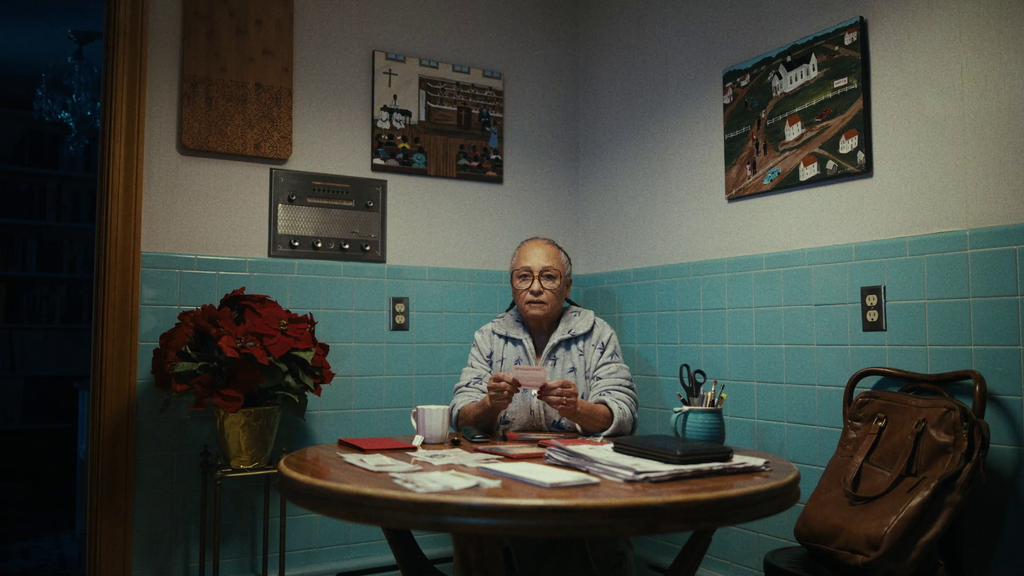
As the director of the Virginia Film Office, Andy Edmunds has helped other people make movies for almost 30 years. With The Cashier, he’s finally directing a film of his own.
To make it happen, Edmunds mortgaged his house to help finance the project. He also received funding from a friend who hadn’t even read the script. “He was, like, ‘Hey, man, if anybody can figure out how to make a movie, I think you can,’” says Edmunds. Having that kind of faith in people is at the center of The Cashier, which straddles two genres: raunchy, slapstick farce, and sincere, faith-based storytelling.
“Look,” Edmunds says. “To me, life is a dichotomy of vulgarity and beauty, right? … Those two contrasting, you know, lanes of life.” If the tone reminds you of Burn After Reading and Raising Arizona, that’s Edmunds’ intention. “I like Coen Brothers kind of stuff. You know, I just like that dark, edgy comedy,” he says.
An accomplished singer-songwriter as well—devotees of ’80s MTV may recall his Hall and Oates-ish “Hard to Make a Livin’” video—Edmunds has been a Richmond resident since 1979. Given his VFO position, it’s hardly a surprise that The Cashier was shot on location with, as the end credits tell us, a “100 % human Virginia crew.”
Edmunds, a first-time screenwriter, says he went through 24 drafts of the script over eight years, as The Cashier was transformed from a 14-page short to a full-length feature. “I was watching the news in 2018, in October, and the first news report that came up said ‘clumsy domestic terrorist sends pipe bombs through the U.S. mail, targeting political enemies.’ The bombs never would have worked. He might as well have put a return address on the envelopes. … And then the very next report said a $1.6 billion lottery ticket had been sold in South Carolina, and the winner has not come forward yet. And, in my twisted mind, I went, ‘What if the dude who mailed the pipe bombs was the same guy who bought the winning ticket?’”
Edmunds turned that idea into a feature-length screenplay focused on Glenda, a Homeland Hardware store cashier who drives a Prius with LUV WNS license plates and moves through life with an unshakably positive attitude. She’s the one who rings up the items that a deranged would-be bomber buys for his useless weapons; later, she’ll end up entangled with the radical’s equally loony brother.
Glenda is played by Richmond-based Daphne Maxwell Reid, probably best known for her stint as Aunt Viv opposite Will Smith on “The Fresh Prince of Bel Air.” Glenda also defies one of the sacred principles of screenwriting: that every main character must evolve. “They’ve gotta start good and end up bad, or vice versa,” Edmunds says. “They have got to have an arc. Well, I wrote her to be the moral spine of the movie, where she doesn’t really change. Everyone around her changes and circumstances change.” As an introduction to the film screening, Reid will be awarded the film festival’s Governor Gerald L. Baliles Founder’s Award.
Mrs. Dalloway goes to Nigeria
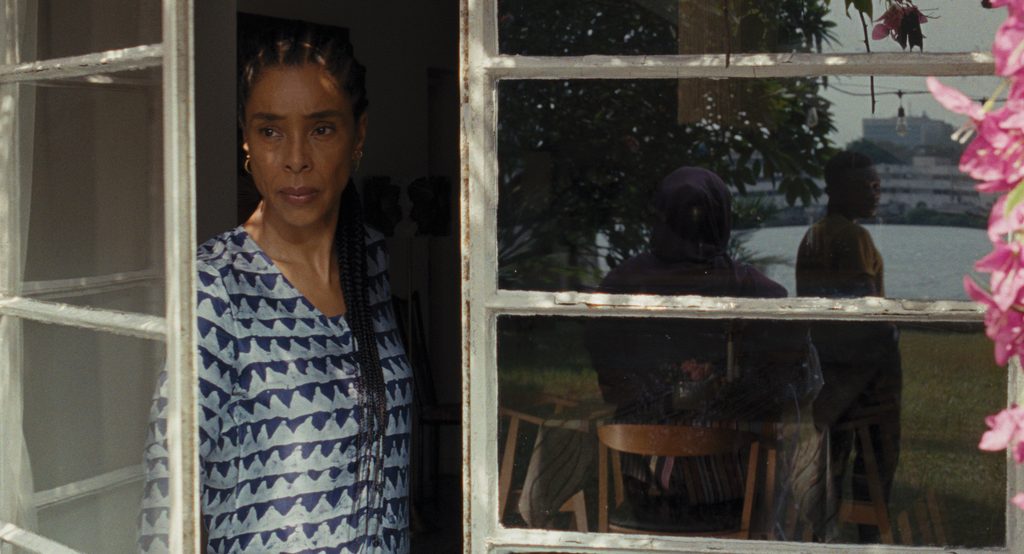
Nigeria may not be an obvious choice to set a retelling of Virginia Woolf’s 1925 novel Mrs. Dalloway. But for screenwriter Chuko Esiri, who co-directs Clarissa, the questions Clarissa Dalloway wonders about while preparing for a party—Did I make the right choices? Am I happy?—are fundamental human questions.
“I think they were true 100 years ago,” he says in a Zoom call from London. “I think they’ll be true 100 years from now.”
He also sees parallels between Clarissa Dalloway’s life and Nigeria as a young republic in the sense of the hope and promise of youth. “We found ourselves taking some wrong turns.”
Esiri first read Mrs. Dalloway when he was a teenager at school in England. “I didn’t understand it, but I felt it,” he says. Now 41, he’s reread it every decade. The last time, “I recognized new truths and insights.”
He was spending more time with his mother in Lagos and had a bit more of his own life experiences. “I was seeing myself and all these people I knew in the novel,” he explains.
Plus he and his twin brother and co-director, Arie Esiri, wanted to make a film that was romantic. The brothers’ first feature film, Eyimofe (This Is My Desire), also filmed in Nigeria, premiered to critical acclaim in early 2020 at the Berlin Film Festival, just before the world shut down due to COVID-19.
Both brothers studied film in New York, Arie at Columbia and Chuko at NYU’s Tisch School of the Arts. What’s it like to work with your twin brother? “Seeing he’s not on this call, I’ll say it’s hell,” teases Esiri.
“It’s a real privilege,” he continues more seriously. “We’re like siblings plus. We’re very complementary. Arie is left handed, I’m right handed. Arie is visual. I’m more into words and narrative. Between us, we make one filmmaker.”
Nigeria, a country of approximately 242 million people, has a massive film industry called Nollywood. “We make more movies than you do in America,” says Esiri. Most are shot in a week.
With Clarissa, “we were making a more measured story at a pace and manner that’s different.” He cites a new Nigerian cinema and growing film literacy that’s happening now. Most of Clarissa’s crew was Nigerian and came together with the arthouse filmmakers in a sharing of film culture, according to Esiri.
The biggest challenge that filming in Lagos presented was finding Mrs. Dalloway’s house and garden because so many older homes have been torn down to build high-rise developments.
From his education abroad, Esiri has encountered misperceptions about Nigeria. “People don’t realize how cosmopolitan the city of Lagos is.” Chuko and his brother have been asked if they live in mud huts, and Arie lied and told Film Comment that he owned a pet rhino, earlier this year.
That magazine described Clarissa’s arrival at this year’s Cannes Film Festival “like an invigorating sea breeze, cutting through a festival where the movies, even when well-made and ambitious, rarely felt fresh or novel.”
Neon will distribute the film, which opens December 11 in New York and Los Angeles. Esiri says people have wandered up to him in places “so far from my experience and my reality,” and said they found Clarissa “truthful or honest or heartbreaking. Whenever that happens, it gives me a warm feeling. It makes everything worth it. It makes me feel less crazy.”
Choice cuts
When it comes to quality filmmaking, the Virginia Film Festival is exemplary. Each year, we’re challenged to make a list of recommendations, and 2026 is no different. Here are some standouts that survived our endless revisions.
Love, Your Birth Mom
Katie Couric executive produced director Din Blankenship’s first documentary, Refuge, about a white nationalist confronting hisIslamophobia. In Love, Your Birth Mom, Blankenship, an adoptive mother and UVA grad, calls on personal experience. The film follows two pregnant women considering adoption while looking at what it means to be a “fit” parent. (October 25, Violet Crown Cinema)
A Price We Have to Pay
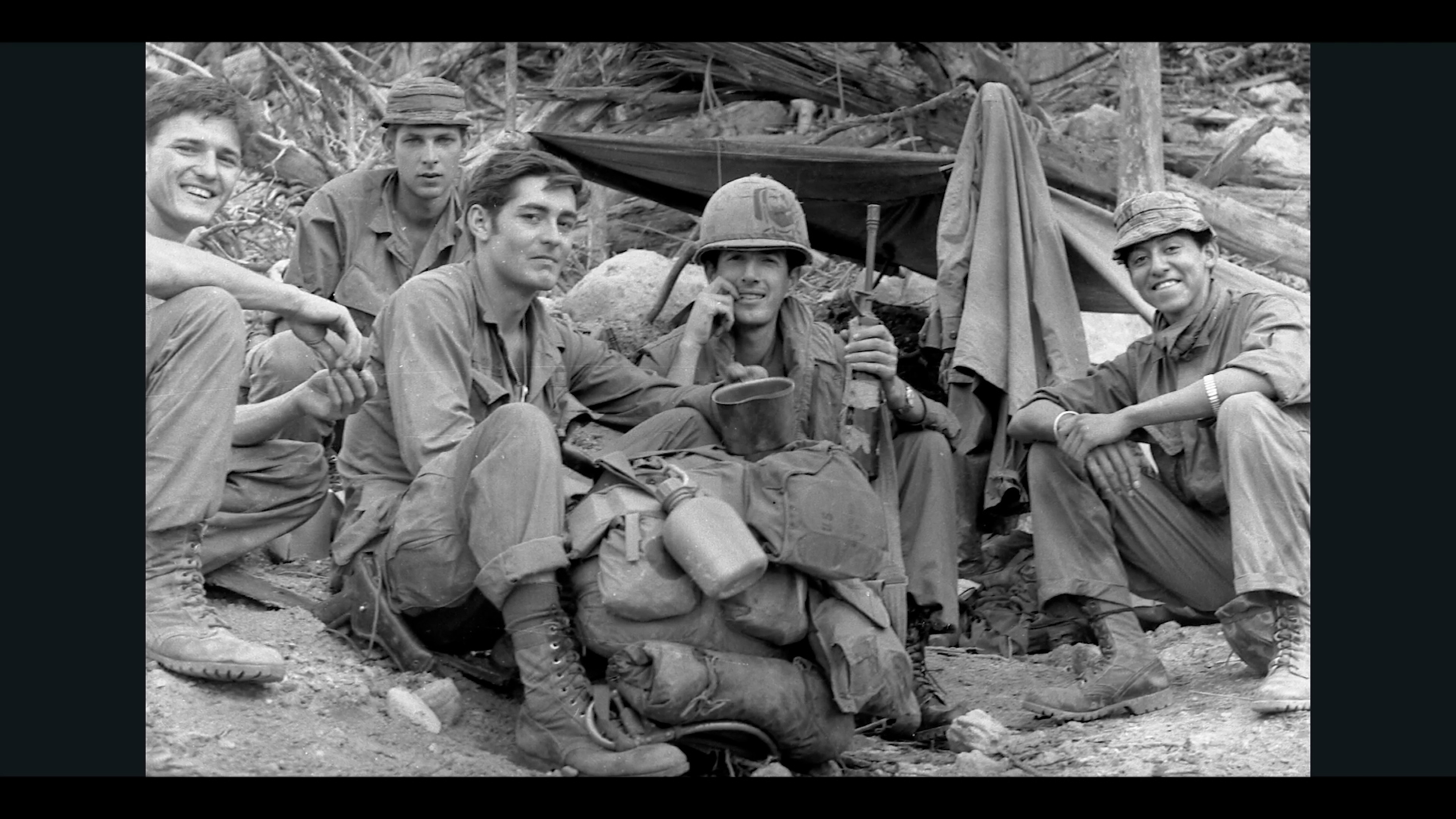
Notable Argentine documentarian and longtime Charlottesville resident Ricardo Preve made A Price We Have to Pay about Argentine photojournalist Ignacio Ezcurra, who went mysteriously missing in Saigon in 1968 while covering the Vietnam War. Ezcurra was the only Argentine journalist covering the war, and the filmmakers spent two years investigating his disappearance. (October 24, Violet Crown Cinema)
1 15 41 Tragedy to Triumph
NFL Films helped produce the closing night film, 1 15 41 Tragedy to Triumph. Directed by Greg Frith, who also worked on “30 For 30” and “Hard Knocks,” the documentary follows the UVA football team after the 2022 murder of players Devin Chandler, Lavel Davis Jr., and D’Sean Perry in a shooting on Grounds. The last two games of that season were canceled. Three years later, the Cavaliers played for an ACC title. (October 25, The Paramount Theater)
Tangles
Featuring lovingly rendered hand-drawn animation and an incredible voice cast, Tangles delves into the difficulties surrounding aging and Alzheimer’s. Adapted from Sarah Leavitt’s graphic memoir of the same title, the narrative follows Sarah as she returns to her cloistered and conservative hometown to care for her spirited mother Midge, as the matriarch’s neurodegenerative disorder diagnosis upends the family dynamic. Julia Louis-Dreyfus and Abbi Jacobson bring heartfelt humor to the lead roles, with stellar contributions from Bryan Cranston, Wanda Sykes, and Seth Rogen. (October 24, Violet Crown Cinema)
Blue Sky
Military intrigue and marital turmoil center the narrative of Blue Sky, driven by an Academy Award-winning performance from Jessica Lange. U.S. Army Major Hank Marshall (Tommy Lee Jones) and his manically charismatic wife Carly (Lange) relocate to a remote armed forces base in 1962 Alabama, where their life starts to splinter under unwanted attention and political pressure. The film features a performance from long-time Charlottesville resident Art Wheeler, who climbed the cast ranks from rehearsal pianist to a speaking role on screen, highlighting his multi-instrumentalist skills. (October 23, Violet Crown Cinema)
Rock on, rock off
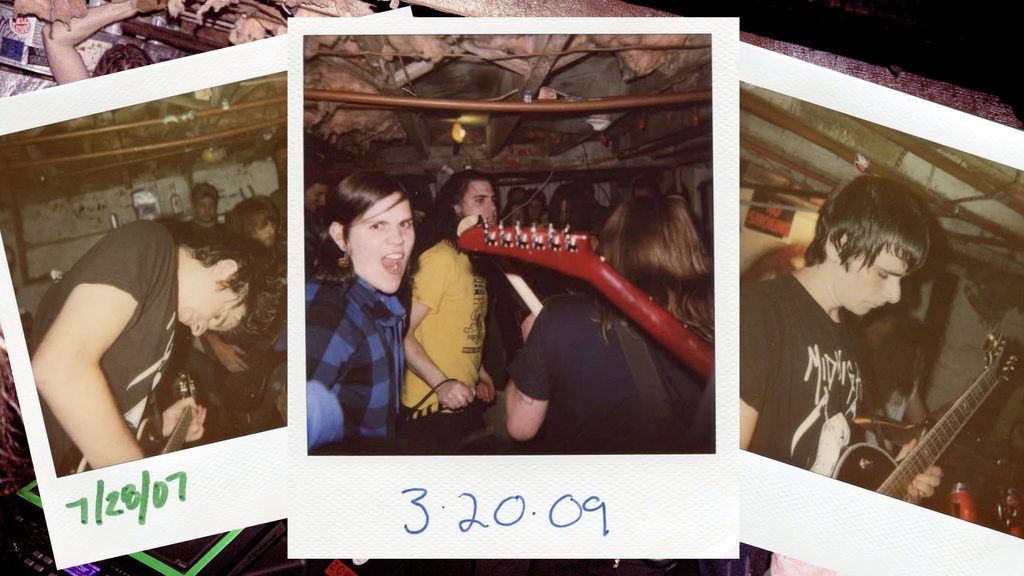
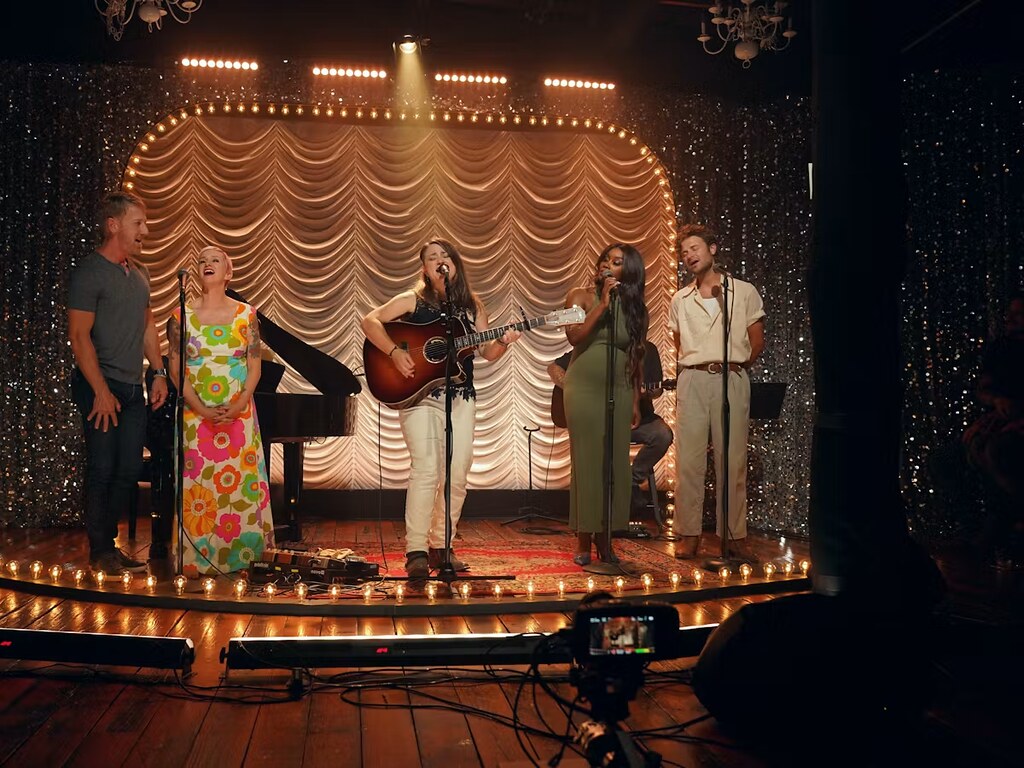
Of the four producers on the documentary film No More Punk Time: The Last Days of Crayola House, only Pat Jarrett played a show in the hallowed squalor of Crayola House, Harrisonburg’s late DIY punk rock venue.
“I’m feeling a little bit intimidated because I’m just feeling all their eyes on me, right?” says Jarrett, the bassist for the sludge-metal band Heemeyer. “And I said, ‘Fuck that, they’re in here with me, too.’ So I picked out a guy in the crowd and I just made unflinching eye contact with him for like an entire song, and just got close to him, and was just playing at him, and it was just fucking incredible, man.
“That is a proper venue for a filthy metal band.”
On June 29, 2024, Crayola House hosted its last concert, headlined in part by reunited scene regulars Aggrocrag. For 34 years, Crayola’s residents put on rock shows in the basement at 275 Old South High St., starting with Bikini Kill and Nation of Ulysses and ending with a failure to replenish roommates. The chain of rental custody broken, the property managers moved in. They renovated the seven-bedroom house and rented it to a fraternity, ensuring the now-116-year-old building would continue as off-campus James Madison University student housing, just not the punk rock kind.
“We found out through Will [Russell], one of our producers, that Crayola was shutting down permanently and that there were only a few weeks of shows left,” says Kyle Johnson, a JMU grad and one of the film’s producers with Jarrett, Russell, and director Tarik Begic. Russell had friends who lived in Crayola House. “Before we knew it,” Johnson says, “we were all the way back to 1990 and talking to the people that lived in and around the house before it even became a show house.”
The Shenandoah Valley-based filmmakers documented Crayola’s final show in No More Punk Time, and the documentary’s public debut will be at the Virginia Film Festival.
“I wanted a movie that felt like you’re walking through a DIY punk house, just eavesdropping on some punks as you’re waiting in line for the bathroom or something, you know what I mean?” says Begic, a John Cassavetes-inspired filmmaker out of Bridgewater College.
No More Punk Time also depicts Crayola House as the inner heart and secret headquarters of MACRoCK, the annual DIY rock festival held across Harrisonburg since 1996. Bands used to covet spots at Crayola’s must-see MACRoCK aftershows.
The basement of Crayola House could fit about 100 people. Of course, no one ever asked a fire marshal, and crowd estimation can be a mystic science, particularly when beer and legend meet. Outside Crayola, there was “room” for another hundred or so to mingle while the cops kept a slinking watch.
The one-hour, 45-minute documentary tells the whole history of Crayola and its offshoot universe. Fittingly, a portion of No More Punk Time investigates “punk time,” which is either a primordial force or a necessary evil. Practically, it’s the perpetual inability of anyone to start a show on time. That’s among the ways the film addresses the spiritual aspect of loud music in old basements.
The producers themselves filmed Crayola House’s last show and interviewed those who came to pay their respects.
The dark side of Christian music
Director Jason Ikeler grew up in a conservative, evangelical Christian family. He was homeschooled until middle school “because they taught evolution in public school,” he says. He was only allowed to listen to Christian music. And he was a closeted gay kid.
That background gave him the credentials to make Safe for the Whole Family: How to Make a Christian Superstar, a documentary on contemporary Christian music, which reached its peak in the 1990s and early 2000s, and features some of the artists he grew up listening to.
The artists just wanted to glorify their love of Jesus through their music. They were expected to be paragons of purity. But Christian ideals are sometimes no match for hypocrisy and greed.
Nikki Leonti says an award-winning Christian music producer expected her to have sex whenever he wanted. When she got pregnant while unmarried at 18, many Christian music stations stopped playing her records.
Michael Passons, founder of Avalon, was forced out of the group in 2003 because he was gay and refused conversion therapy. And Jennifer Knapp retreated from the Christian music world, ultimately coming out herself in 2010.
Ikeler was talking to his friend and UVA grad Whitney Fern, and they wondered why no one had made a movie about contemporary Christian music.
“We were very clear on our intentions,” he says. “We didn’t want to take down Christianity or religion. We weren’t digging for the most salacious stories or trying to shock people.”
Ikeler was told no one would talk to him. “Almost everyone said yes,” he notes.
Most surprising to Ikeler was that most of the artists still consider themselves Christian, even after the bad things that happened to them in the Christian music industry. “I thought a lot of them would be atheists,” he says.
The biggest challenge in making Christian Superstar was cutting it down from four hours to 96 minutes. “They all gave us their story, and I didn’t want to make light of that,” he says.
At the time the filmmakers interviewed Passons, he wasn’t playing music and had shut the door on the world. “He’s had a resurgence,” says Ikeler, and will perform after the October 25 screening of the film at Culbreth Theatre. All three featured musicians are still making music and are now considered crossover musicians, according to Ikeler.
Ikeler wanted the film to be a conversation starter with his parents, and his father came to its premiere. Ikeler thinks it was probably a little uncomfortable for him to sit in the audience, but his dad said, “What happened to those people was objectively wrong, no matter where you stand.”
Once music streaming hit, it was harder for Christian moms to control what their kids were listening to, says Ikeler, and contemporary Christian music is not on the level it was during its heyday, although Kid Rock and Kanye West have put out Christian albums.
The reactions to Safe for the Whole Family: How to Make a Christian Superstar seem to fall into two camps, says Ikeler. Some think the music itself sounds bad. “I would argue that a lot of it holds up.”
Others see the film as taking on Christianity and the church. “That was not the intention,” says Ikeler. “We’re just telling the truth.”
Film fest foodie guide
The Virginia Film Festival is back with more than 100 films packed into five days, from buzzy big-name premieres to documentaries and shorts made right here in Virginia. While the marquee films are tempting, we’re making a case for going local. Pair a Virginia-made film with a Charlottesville meal and you’ve got a festival itinerary with hometown flavor. Here’s where to eat before or after the credits roll.
Wednesday
Watch: Time Warp
The Virginia-made films debut Thursday night, but the festival kicks off Wednesday. Get into the Halloween spirit with this documentary following the first “shadow cast” performance of The Rocky Horror Picture Show in Rock Springs, Wyoming, where queer and drag theater finally found a home in 2022.
Dine: Then head to Bang! for Wednesday night specials and keep the evening rolling.
Thursday
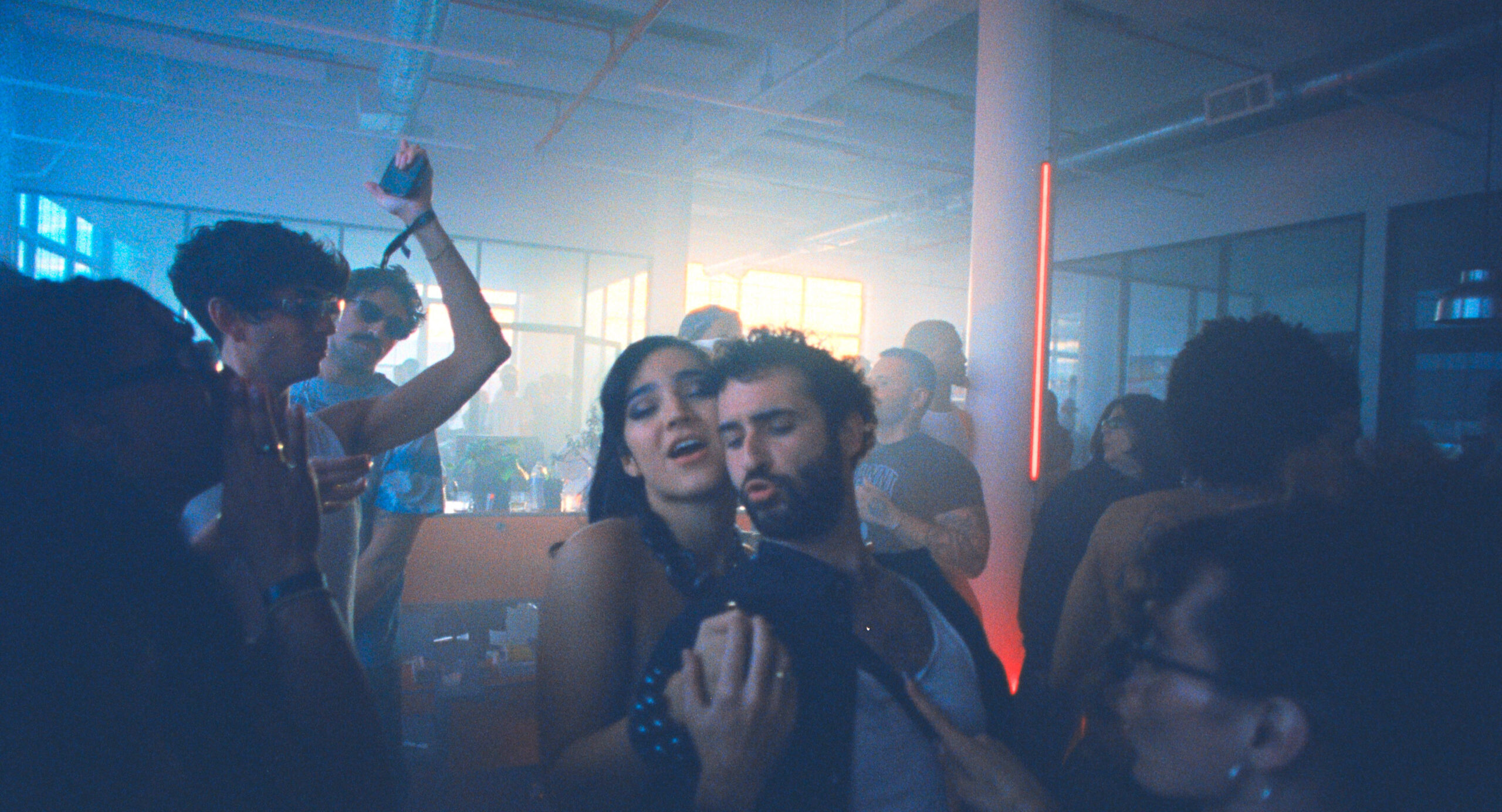
Watch: Club Kid
A party promoter emerges from a decades-long haze of postponed responsibility to discover he’s a dad. The new life of guardianship comes with chaos, trial, and error, resulting in an unexpectedly tender story.
Dine: For a proper pairing before the show, head to The Enemy for its Thursday prix fixe: empanadas, pasta, dessert, and optional wine pairings.
Friday
Watch: A Suite of Short Films by Kevin Jerome Everson
This collection of shorts includes a film co-directed by UVA professor Claudrena Harold, following a student through his final year at the university while serving on its Board of Visitors. Other films span Black history, music, opera, and Indigenous culture.
Dine: Head to Aster for an early dinner and a taste of Virginia through chef Drew Dunston’s seasonal, farm-driven menu. The steak and gnocchi pairs a cut from Shenandoah Sky Ranch with potato gnocchi, oyster mushrooms, corn butter, and black pepper.
Saturday
Watch: One of a Kind
This documentary celebrates underappreciated American originals, including three Virginians: Mark Cline, David Gum, and Patrick O’Connell. From Michelin-starred kitchens to the White House garden, it’s a collection of stories about people who did things their way.
Dine: Make your way to The Alley Light, Charlottesville’s James Beard-nominated speakeasy, for seasonal drinks and dinner.
Sunday
Watch: New Tide: Virginia Student Filmmakers
This showcase of Virginia student filmmakers includes What It Takes, a nine-minute portrait of a farmer navigating the daily rhythms of farm life at Old Tavern Farm in Quinton, Virginia.
Dine: For lunch, head to FARMacy Café for organic, locally sourced Mexican fare. The super naan taco with al pastor, garlic naan, guac, greens, feta, and sour cream is festival fuel worth making time for.
Watch: Death Becomes Us: And Hands are with Us
Charlottesville filmmaker Chris Farina’s final film is an intimate exploration of death, shaped by his own ALS diagnosis in 2022. Hospice workers, funeral home staff, and others who work alongside death every day offer a moving look at life’s final chapter and what it can teach us about living.
Dine: Grab lunch at Take It Away before the film. The UVA sandwich-shop institution has been serving Charlottesville since 1992, so consider this a double dose of local history—and don’t skip the famous house dressing
Cinematic worldview
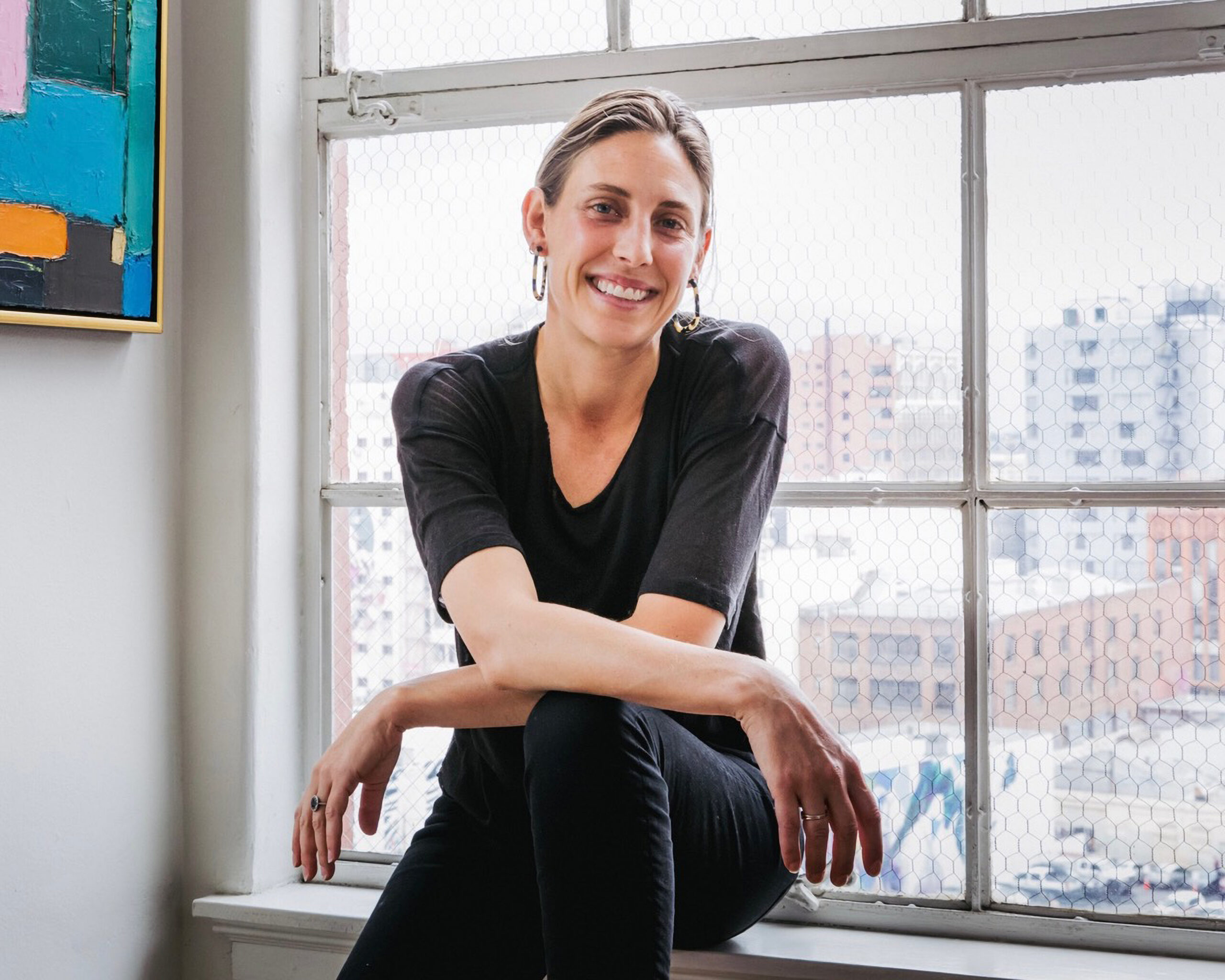
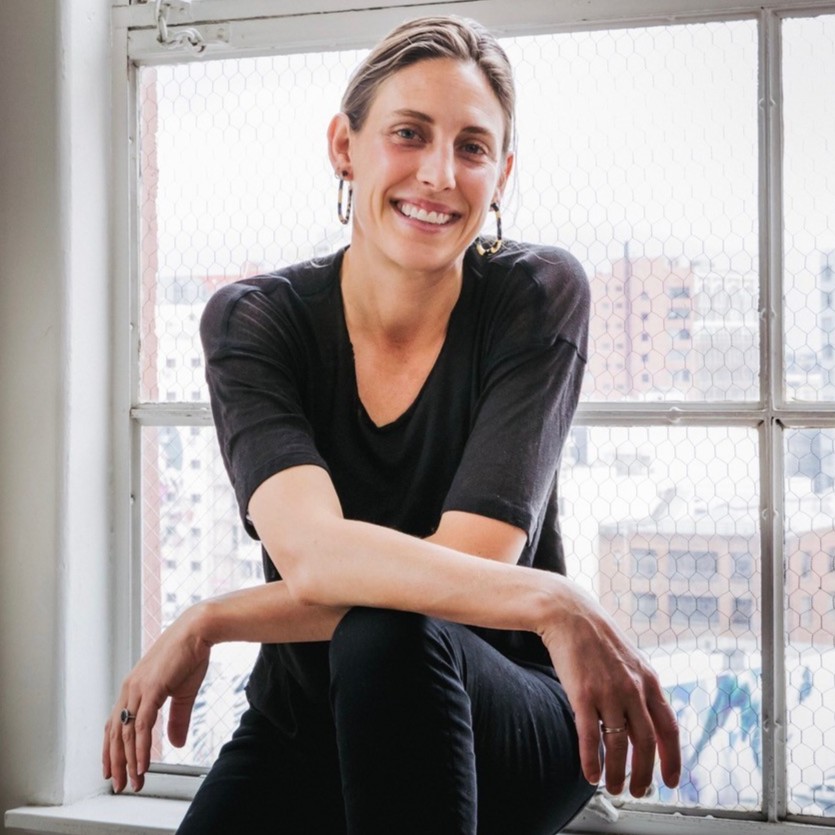
Award-winning production designer and art director Ruth De Jong returns to Charlottesville for a panel outlining her creative process and the essential role production design plays within visual storytelling. De Jong, who spent formative years in Central Virginia focusing on fine art at Western Albemarle High School, later earned a BFA in painting and photography from Texas Christian University. She carried those skills into feature-film art departments, working alongside Virginia-based industry veterans Jack Fisk and David Crank.
Two decades into her professional career, De Jong has ascended to the top of her field, earning an Academy Award nomination for Best Achievement in Production Design for her work on Christopher Nolan’s Oppenheimer in 2024, and will almost certainly receive another nomination in the same category for The Odyssey, her second collaboration with Nolan.
Within the creative process of establishing the look and feel of a world depicted on screen, De Jong’s approach generally remains consistent. “I tend to start wide and get granular with time,” she says. She begins by laying out visual inspiration for each scene in story order, building an aesthetic as conversations with the film’s director continue. Eventually, reference photos are replaced with actual sites as De Jong dovetails location scouting, researching historical accuracy, and set design.
Known for building physical sets, De Jong cites her creative background as a driving force in her practice. “For me it harkens back to being an artist and using my hands,” she says. “I don’t believe anything real and practical can be replaced digitally and be better.” De Jong relishes the interplay between her physical buildouts and the natural elements that shape and bring the sets to life. She also believes that practical design benefits the entire filmmaking process, including allowing actors to bring their best performances forward. “It’s an added layer to help them and the entire crew dive into that world without distraction,” she says.
In addition to Nolan, De Jong has worked with other prominent directors, including Paul Thomas Anderson, David Lynch, Terrence Malick, and Jordan Peele.
“I have been so lucky to work with so many inspiring directors and what they all have in common is they are all writer-directors,” she says. “If we find an epic location it can be written in or adjusted to fit what we desire.” Pointing to the freedom that emerges when a director has such total control over a project and the ability to shape the work in response to a production designer’s aesthetic vision, she adds, “It’s the ultimate collaboration.”
This kind of collaboration is essential for De Jong, who often has to navigate accurate historical representation while constructing a cinematic world. “Films are their own art forms and my goal is to pull from history, but often the desire is to want to take creative freedoms—for varying reasons—that help the story and the overall entertainment,” she says. “I work closely with the director on this so that his or her vision is what comes across, and with that, always push for the correct historicity.”