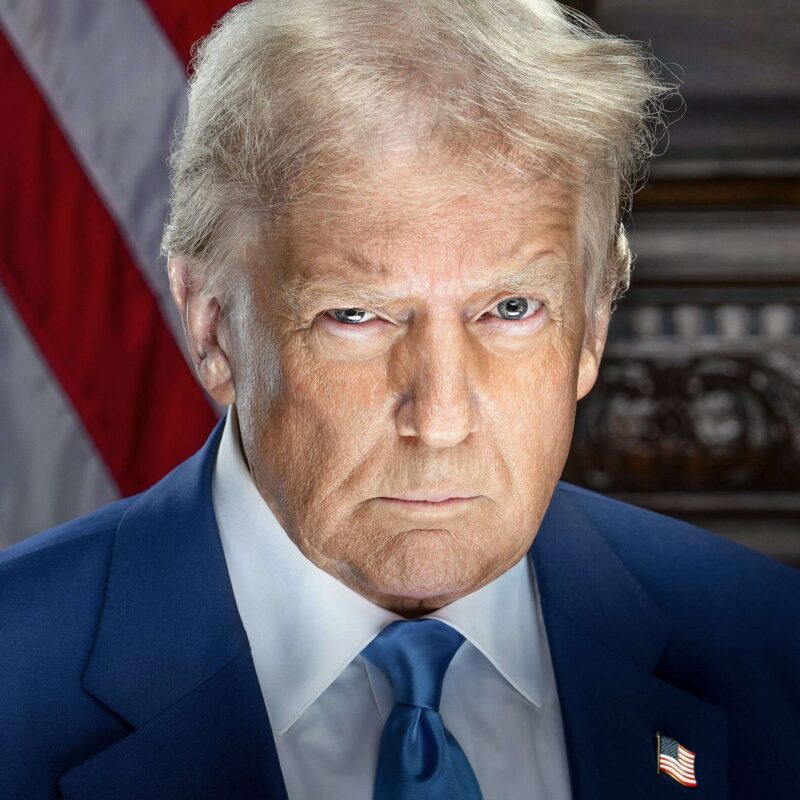
Outgoing Virginia Attorney General Jason Miyares reached an agreement with the U.S. Department of Justice December 29, committing to end the Virginia Dream Act. The legislation, passed in 2020, allows eligible immigrant students attending Virginia high schools to access in-state university tuition regardless of legal status.
To qualify for the Virginia Dream Act, students must attend at least two years of high school in the commonwealth, graduate, and have filed income tax returns for a minimum of two years before their college enrollment.
The University of Virginia estimates first-year tuition and fees for the 2025-2026 academic year at $59,906 for non-Virginians and $20,046 for in-state students in the College of Arts and Sciences. UVA further waives some or all expenses for in-state students from lower-income households.The university covers tuition, fees, and room and board for in-state undergraduates with annual household incomes below $50,000, and waives tuition and fees for in-state households making less than $100,000 a year.
If a federal judge approves the agreement between the DOJ and Miyares, it could immediately strip in-state tuition eligibility from more than 10,000 students. Miyares, born in North Carolina in 1976, is the son of a Cuban immigrant who came to the United States in 1965.
The American Civil Liberties Union of Virginia and the Legal Aid Justice Center filed an emergency motion on behalf of the Dream Project, a Virginia-based nonprofit that advocates for immigrant students, on December 31. The suit asserts that “no party presently before the Court represents the interests of the students whose access to higher education will be eliminated if the consent decree is enforced,” and argues the right of the Dream Project “to challenge the proposed joint consent decree and defend the validity of the challenged Virginia statute.”
“It was imperative for us to make sure that the interests of the students, the organizations like [the] Dream Project, are represented,” says Sophia Gregg, ACLU-VA senior immigrants’ rights attorney. “And it’s important that the court hear those defenses … if the attorney general himself is not going to defend Virginia law, as you know, would be presumed.”
“These are individuals who went to high school in Virginia, have graduated from Virginia high schools, and are seeking to better themselves and better the Commonwealth by staying here,” Gregg adds. “This is a really valuable protection for Virginia students and the overall future of Virginia.”
At press time, there has not been a ruling on either the consent agreement or the emergency motion.
Flock-less
The City of Charlottesville will not move forward with Flock Safety license plate readers for law enforcement use amid concerns about the privacy of—and federal access to—data. City Manager Sam Sanders announced the decision at City Council’s last meeting of 2025. Several other localities in Virginia and across the country have opted to end their contracts with Flock following an email from the company’s CEO railing against opposition to the cameras.