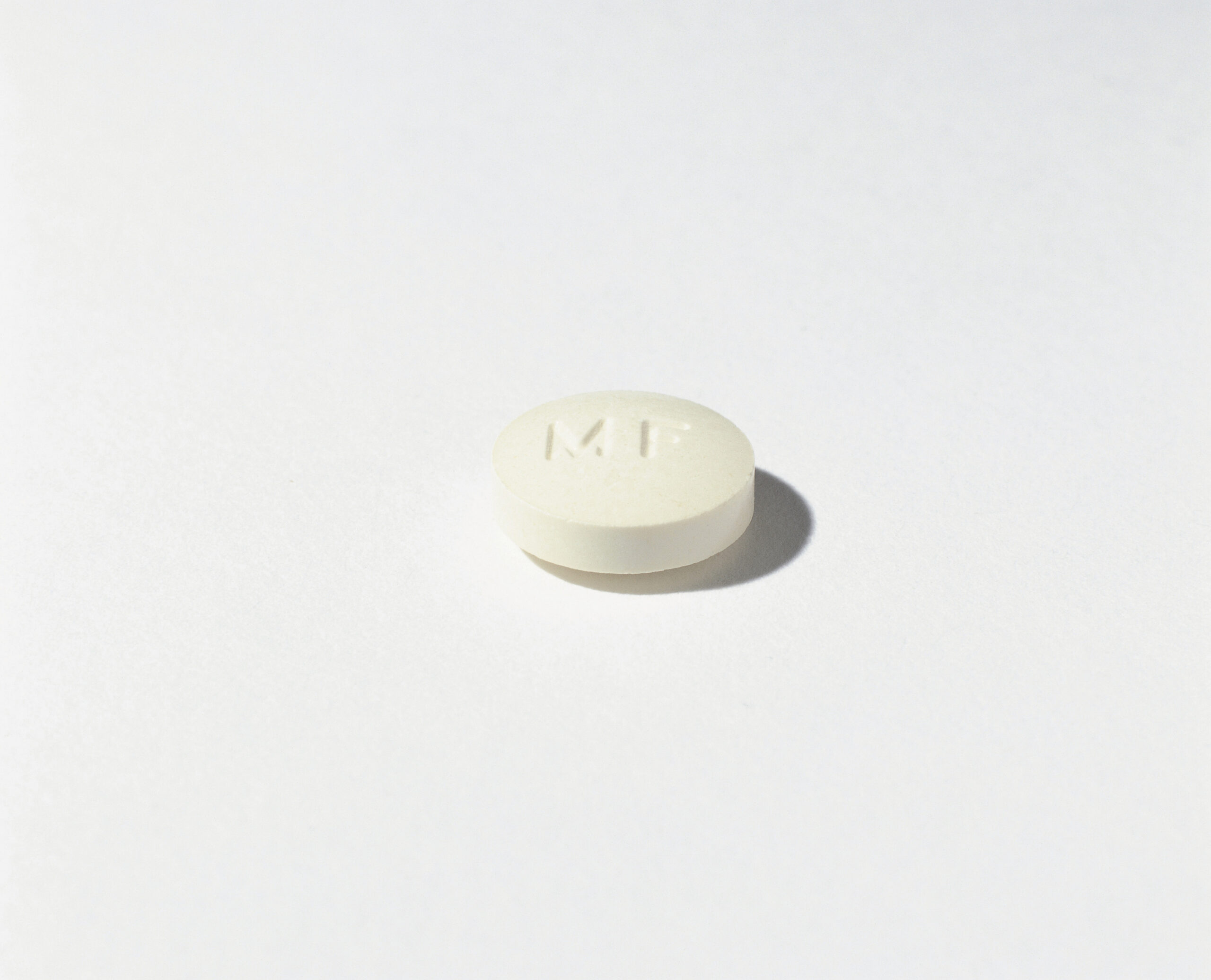
The United States Supreme Court indefinitely extended telehealth access to the abortion medication mifepristone on May 14, pending further litigation in federal court. While the challenge to telehealth access comes from Louisiana, the case has already resulted in nationwide impacts—including states with abortion protections, like Virginia.
Louisiana argues that a 2023 U.S. Food and Drug Administration rule allowing telemedicine access to mifepristone undermines the state’s near-total abortion ban. A ruling from the Fifth Circuit Court of Appeals immediately blocked telehealth access to mifepristone nationwide.
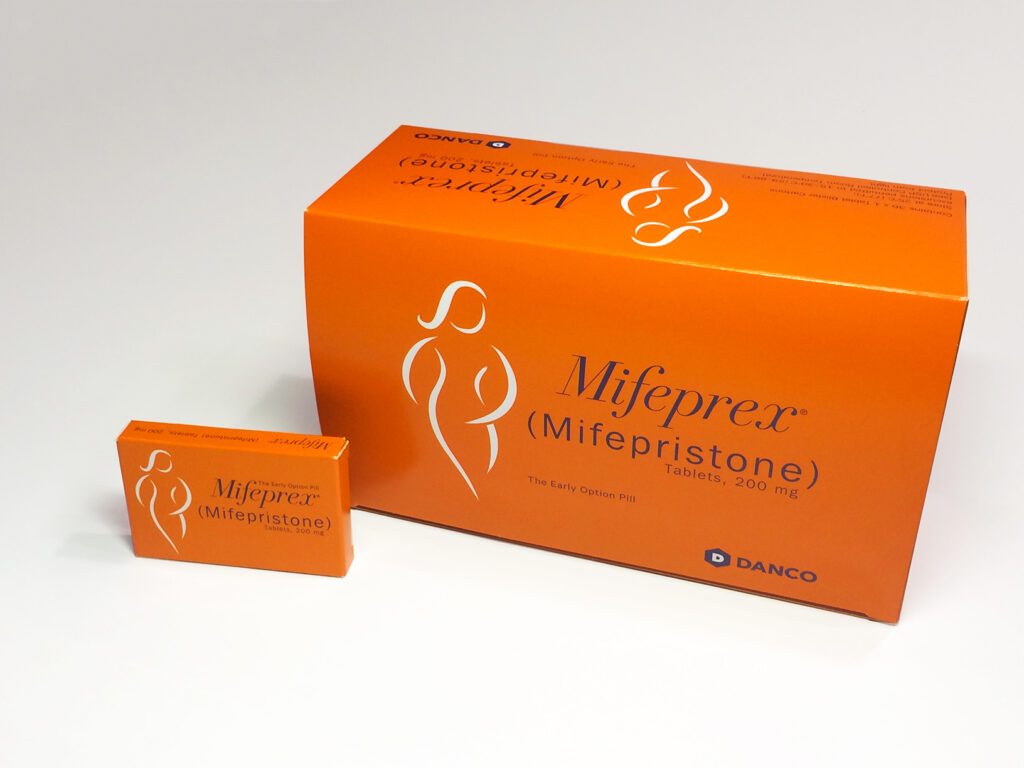
The standard—and most effective—regimen for medication abortion in the United States uses both mifepristone and misoprostol. Mifepristone, which blocks progesterone, is not an effective abortifacient on its own. Misoprostol, which causes the uterus to contract and dilates the cervix, is needed to pass a pregnancy.
Medication abortion is the most common form of abortion in the United States, with the Guttmacher Institute reporting that 63 percent of all U.S. abortions in 2023 were completed with medication—a 10 percent increase over 2020.
The proportional increase in medication abortions coincides with the growing popularity of telehealth abortion care. In April 2022, 3.65 percent of all abortions occurred following a telehealth appointment, according to the Society of Family Planning’s #WeCount project. In December 2023, that figure had risen to 19.58 percent.
By December 2025, roughly 28 percent of all U.S. abortions occurred after telehealth appointments.
Supreme Court Justice Samuel Alito issued a weeklong emergency stay of the Fifth Circuit decision on May 4, then extended the order through 5pm on May 14.
The Court weighed in as the stay was set to expire, allowing telehealth prescriptions of mifepristone to continue indefinitely. Justices Clarence Thomas and Alito dissented, with Alito calling the telehealth prescription and mail delivery of mifepristone “a scheme to undermine our decision in Dobbs v. Jackson Women’s Health Organization … which restored the right of each state to decide how to regulate abortions within its borders.”
Virginia has the most reproductive health protections of any state in the South, but the back-and-forth on telehealth access to mifepristone still created confusion for patients and providers alike.
“The last several years have been infused with ongoing chaos and confusion post the Dobbs decision at the U.S. Supreme Court in 2022,” says Susanna Birdsong, general counsel for Planned Parenthood South Atlantic. “I think this is just another example of how that happens. … We operate clinics far away from the state of Louisiana, and yet this case is having an impact nationwide, including in the states where we provide care, [like] Virginia.”
UVA Health already writes most of its mifepristone prescriptions at in-person visits, but is monitoring Louisiana v. FDA, according to Public Information Officer Eric Swensen.
Whole Woman’s Health, headquartered in Charlottesville, prepared a misoprostol-only protocol in 2023 amid previous legal challenges brought against mifepristone.
“The only reason mifepristone is even on the radar for these restrictions is because of politics. [It] has nothing to do with science or medicine or safety or efficacy,” says WWH President and CEO Amy Hagstrom Miller. “It shouldn’t be okay for them to restrict medication that has a proven safety record that obviously is preferred by the vast majority of people in the country who are seeking abortion-care services.”
Hagstrom Miller says misoprostol has escaped legal and political ire due to its variety of other medical applications, including in labor and delivery.
“The anti-abortion forces are going after mifepristone because access to telemedicine abortion has preserved access to abortion writ large post-Dobbs,” says Hagstrom Miller. “Having mifepristone available via telemedicine has really saved countless lives in places where abortion has been banned and it has allowed abortion to be, ironically, more accessible post-Dobbs than it was before. Not only have abortion rates not declined, they’ve actually increased because abortion is more accessible.”
WWH only provides mifepristone prescriptions via telehealth where it’s legal, but shield laws have allowed providers in other states to mail prescriptions to places with abortion restrictions and bans—which is at the core of the Louisiana v. FDA case.
In the May 1 opinion that first created the nationwide scramble, Fifth Circuit Judge Stuart Kyle Duncan asserts that mail-access to mifepristone undermines Louisiana’s “laws protecting unborn human life” and policy that “every unborn child is a human being from the moment of conception and is, therefore, a legal person.”
For now, mifepristone remains available via telehealth as the suit continues its way through the federal courts. It may be months, if not years, before the case is before SCOTUS again, according to Birdsong.
“We know … that mifepristone is safe and effective, and it’s been used by millions of people since the FDA approved it more than 20 years ago,” she says. “When someone has decided to have an abortion, they should be able to get the best method of care for their circumstances, including medication abortion with mifepristone via telehealth, and [PPSA will] do everything in our power
to protect that right, that amount of access in the states where we provide that care, including in Virginia.”