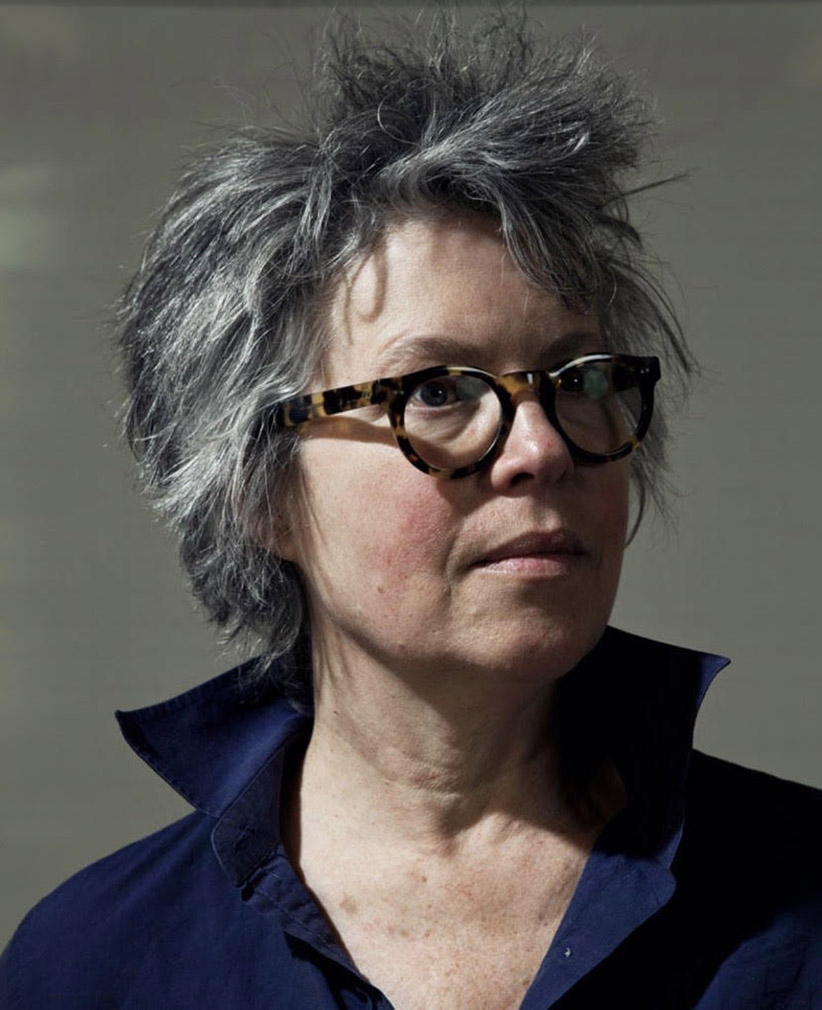
Duston Spear couldn’t wait to get out of Richmond, and left the day after she graduated high school. Her mother always told her she could be a writer. Instead, Spear opted for Parsons School of Design and a career as an artist, living in Soho for 30 years.
Now she’s circled back to writing with her first novel, Bird Girl, about a young female artist navigating the now-trendy New York City neighborhood in the ’70s.
Writing a book at 75 is “gutsy or crazy,” says Spear. “I’m not sure which.”
Spear has exhibited widely, including at New York’s Metropolitan Museum of Art, the High Museum in Atlanta, and the Brooklyn Museum. Her art and writing are “colliding right now,” she says. “I hope it’s a good thing.”
Like Spear, Bird Girl protagonist Rebekah Hunnicutt is from Virginia and spent a lot of time in the Tidewater area with her grandparents. Rebekah also attended Parsons, and moved into a former Soho factory with a poser named Prospero Brown, who was enjoying his 15 minutes of fame while tapping into Rebekah’s ideas and talent. In the novel, a podcast 40 years later reveals Rebekah’s role as muse and victim in an art-world scandal.
Rebekah and Spear both ended up in Western Massachusetts near Amherst, the setting for five colleges, and both are teachers.
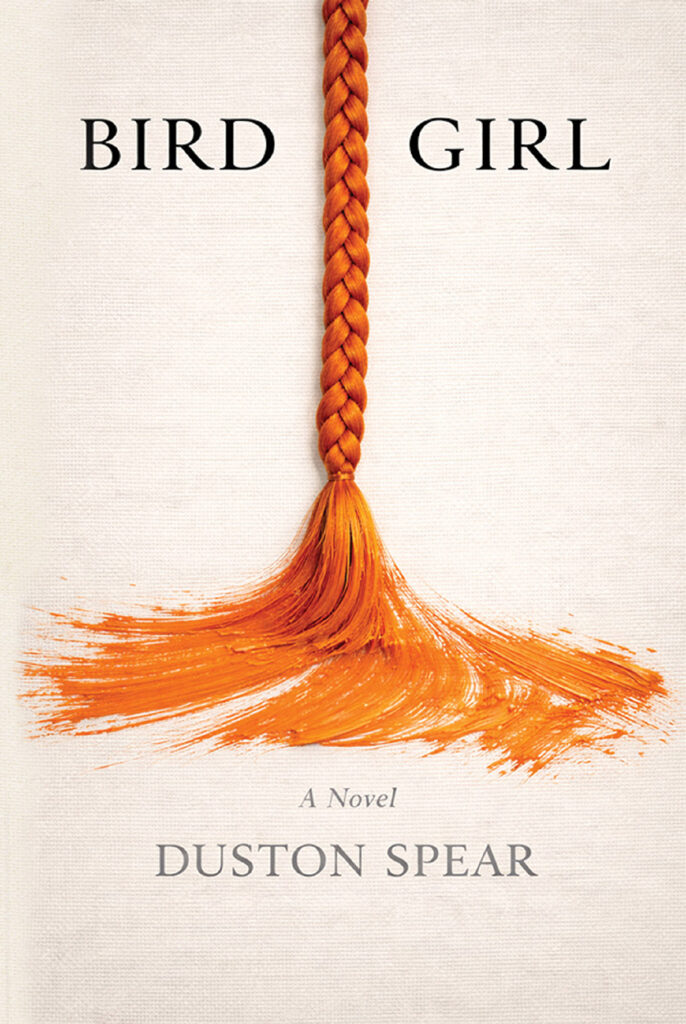
“Auto narrative fiction is so popular right now,” says Spear. “It’s kind of another way to slip a memoir in. This is based on the armature of a memoir, but I wasn’t happy with a memoir because one, I’m not famous, so who cares, and two, it’s really hard to end a memoir.”
Other considerations for fiction: Some of the people in her real life are still alive.
“I like my memories of Soho so much,” she explains. “You knew you were in a fascinating place. This was a rare moment, this tip of Manhattan occupied by artists and creative people.”
Soho landlords welcomed tenants who would pay “to live in rat-infested factories that caught fire enough times to be dubbed Hell’s Hundred Acres, spaces impossible to heat, impossible to keep clean, shrouded in pollution,” Spear writes in Bird Girl.
The area was populated by Soho artists “with their black, only black, all-black attire, the Beatnik costume pasted onto a fresh crop of art school grads with paperweight diplomas.”
Spear lived on Broome Street, where eight lanes of traffic narrowed to two. “It was carcinogenic out the wazoo,” she notes. Her 14-foot windows filled with black smoke from trucks barreling to the Holland Tunnel. “That hasn’t changed.”
The difficulty of being a female artist is not new, and some art dealers in the ’70s held firm to their refusal to show women’s work. Unlike Rebekah the Bird Girl, who painted in a basement for decades before finally showing her art, Spear has a lengthy CV of exhibits, panels, awards, and teaching.
“I’m trying to push the idea of the long practice because I’m trying to have a long practice in my life and to keep making art in different genres,” she says. “I’m a strong advocate for a woman to continue to create in her later years.”