Many Ehlers-Danlos Syndrome patients seem to tell the same story: For years, even decades, doctors would tell them the symptoms they reported were all in their head. But the real problem lurked deeper in their bodies, often in places where doctors don’t and can’t look. A new UVA Health clinic, one of less than 20 nationwide, is offering EDS patients across Virginia and surrounding states new hope for better care and healthier lives.
“It’s a good thing to be offering care for these conditions,” says Margaret, in her 70s, who lives with EDS and hopes to get treated at the clinic. “People living with them are famously slow to be identified and [diagnosed]. It can be incredibly frustrating and discouraging.” (Like all patients interviewed for this story, she requested anonymity to protect her privacy.)
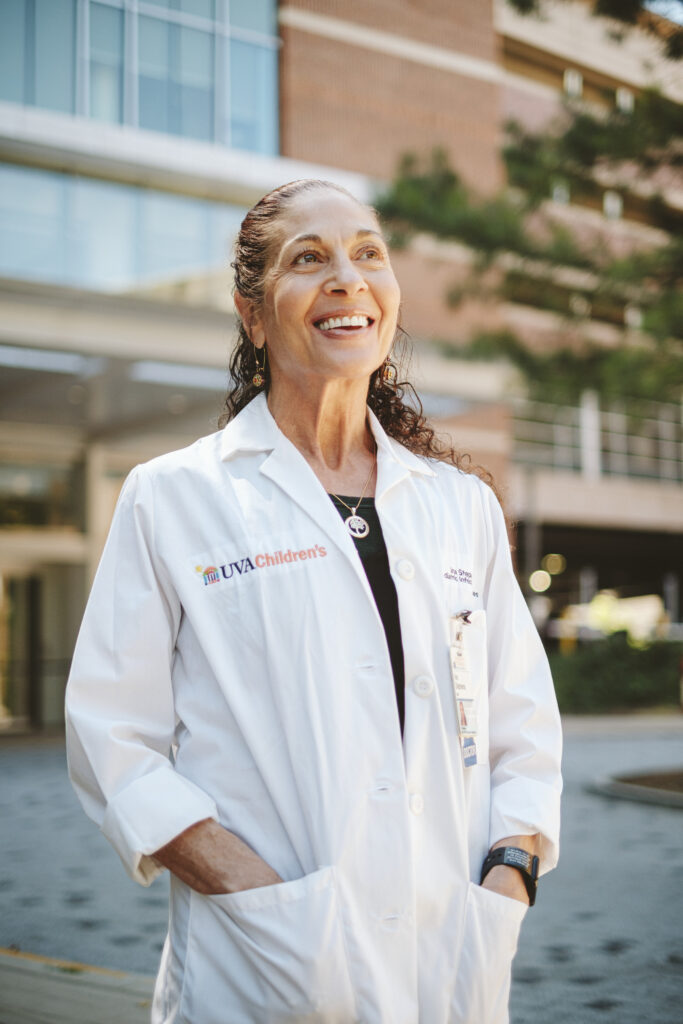
EDS is “a problem with the connective tissue,” says Dr. Ina Stephens, 62, the clinic’s founder and associate medical director. “Every single part of your body is made up of connective tissue, so every patient may actually be affected differently.”
In some forms of the disease, doctors have identified particular malfunctioning genes that can affect various key collagen proteins. But its most common form, hypermobile EDS, isn’t yet linked to any gene. In any type, EDS may afflict any of a panoply of organs and systems: circulation, digestion, nerves, eyes, teeth, and more. Many, but not all, patients demonstrate hyperflexibility—super-stretchy limbs or skin that, over time, accrue joint damage or wounds that won’t heal right.
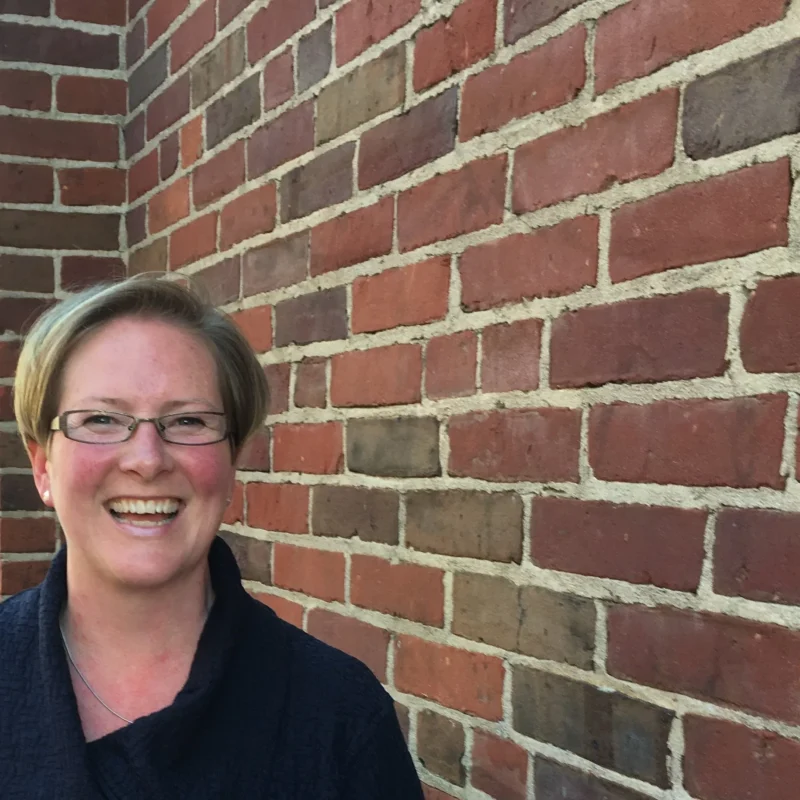
Stephens herself lives with EDS, having first noticed symptoms in her teenage years. The disease is heritable; all three of her sons have it. “Some days my joints hurt so bad that I need to take medication just to get up and go to work,” she says. “Some days I’m just lightheaded. Some days I just feel fine.” She credits daily yoga sessions with strengthening her muscles to better protect her joints, and giving her the focus she needs to help others.
The disease can affect patients physically and psychologically. “For me,” says Dan, 48, “there is chronic pain. I’ve had multiple joint and soft tissue injuries. And there’s also a constant state of—I don’t want to say anxiety, but more like vigilance, to try to make sure that I’m not doing something that injures myself.”
“You can’t go into the office and look at the connective tissue and say, ‘Ah, I see the abnormal protein.’ All you hear is that the patient doesn’t feel well,” Stephens says. “These are symptoms that you can’t see. You can’t measure them very well. So lab testing tends to be normal.”
“I actually cried in my first appointment with rheumatology,” says Rachel, 41, who’s received related care at UVA while on the lengthy waitlist for an appointment at the clinic. “Every other person that’s ever mentioned this to me has made me feel like I’m making it up, but [the doctor] was actually talking about [my symptoms] as though they were true symptoms of something that I was dealing with, and it was so validating.”
Initially funded by a generous gift from what Stephens describes as a grateful patient, UVA’s dedicated Ehlers-Danlos clinic opened December 1, 2025. UVA hired Dr. Dacre Knight from the Mayo Clinic’s EDS center in Jacksonville, Florida, to run its program. He works full time seeing adult patients, while Stephens focuses on pediatric cases.
They work alongside pediatrician Dr. Sarah Cohen Solomon, and soon an additional third, part-time pediatrician; at least one nurse practitioner; and support staff including a nutritionist, a genetic counselor, physical and occupational therapists, and a psychologist who specializes in helping patients manage chronic pain. Stephens says the clinic aims to have six physicians or providers on staff by the end of the year.
Stephens says the clinic also has a research operation, working with other institutions to study better ways to diagnose and treat EDS. And it’s helping to educate medical students, residents, and other departments about what EDS looks like, so that fewer patients go undiagnosed. In May, the clinic received the international Ehlers-Danlos Society’s rare distinction as a Network of Excellence—one of just 19 such facilities in the United States, and 41 worldwide.
Dan estimates that he’s one of the clinic’s earliest patients; diagnosed a decade ago, he moved to Charlottesville from the Midwest after hearing that the clinic would open here. While he had access to a good hospital system in his previous home, Dan says UVA offers better care.
“My primary care [physician] is able to talk to [EDS clinic doctors and staff] and look at me in a more whole-person way, and have a better understanding of what’s going on and what things I might need,” he says. “They know the right things to look for and ask about, so that even if I’m not aware of a problem, they’re able to figure out, hey, this is a thing that’s happening.” The clinic helped Dan find better medications to manage his symptoms. “It’s reduced my pain, and it has increased my capacity to do stuff day to day. I’m in better health overall. I’ve lost weight, and the medication side effects aren’t as severe.”
Rachel’s daughter is receiving treatment for EDS at the clinic. “Hopefully before she has any pain or sensitivity, she is being given ways to support herself.” When a prescribed medication gave Rachel’s daughter hives, “everybody just believed it and put it in her chart, and now she’s just not given that medicine again. It’s pretty wonderful.”
Rachel’s still awaiting an appointment of her own, after requesting treatment last October and getting referred to the clinic by other specialists in March. “I truly have no idea how long I have to wait,” she says. “I have not received a call from them even to put me on the schedule yet.”
“They told me … that they had a list of people waiting to get in, but that there was a second list of people who could get in line behind the people on the waiting list,” Margaret says. “They only gave people appointments six months out, and those had been filled up long ago.”
Stephens says the list of patients seeking care at UVA numbers in the thousands. “Unfortunately, it’s a long wait,” she says. “This is not so much a local problem, but a national wake-up call. People need doctors to be able to take care of these patients, and they are few and far between, and these patients have been suffering for years.”
“We’re hiring as fast as we can,” Stephens says, noting that the university is already helping the clinic seek a larger space. “No single institution is going to be able to handle this volume alone. These patients deserve the treatment. They deserve to be heard, and they need the care.”