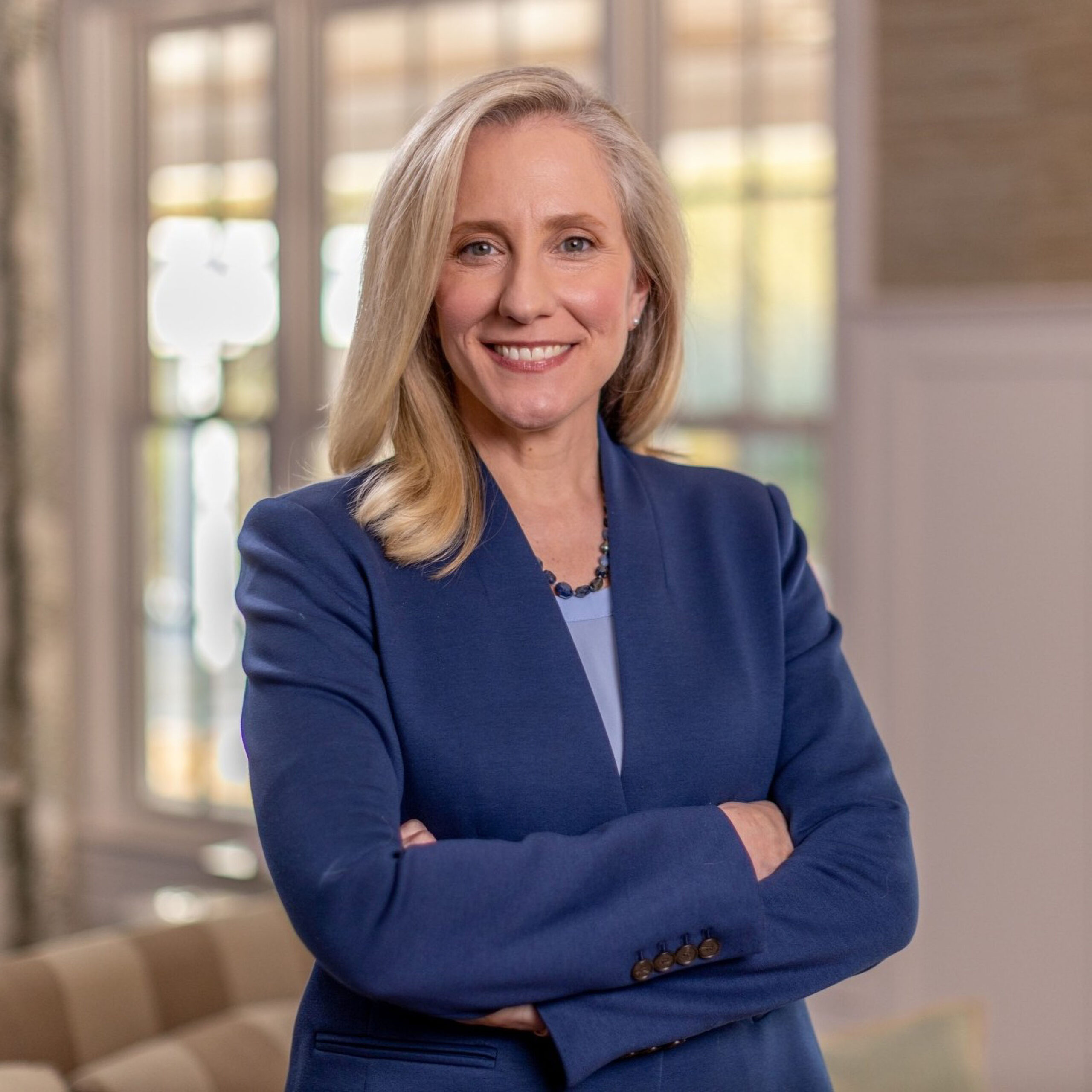
Gov. Abigail Spanberger vetoed a slate of Democratic priorities on May 19, surprising the Democratically controlled Virginia General Assembly. Several bills carried and supported by local legislators, covering everything from Board of Visitors reform to immigration enforcement regulations, were among those struck down.
The latest string of vetoes follows the legislature’s reconvened session, during which lawmakers weighed the governor’s recommendations, substitutes, and first wave of vetoes. The Assembly returned several of the bills to Spanberger without her suggested changes, something the governor referenced in multiple veto explanations.
Local District 55 Del. Amy Laufer already had a mattress recycling bill vetoed outright in April, and her bill HB111 has now also been struck down by Spanberger. The legislation, passed along party lines, would have created additional protections against state government officials canceling voter registrations based on information from outside the Department of Elections, and reintroduced protections for specific armed service members and Americans temporarily abroad.
The governor recommended that a clause be added to the bill that would have delayed its onset by requiring the General Assembly pass it again during its 2027 session. The legislature sent HB111 back to Spanberger without the recommended change.
“Voter rolls should be accurate and regularly updated, not used for political disenfranchisement. I’m deeply disappointed that the governor vetoed HB111, which would have required verified state agency approval before removing a voter,” says Laufer. “After the improper voter roll purges of 2024 by [former Gov. Glenn] Youngkin, this protection is vital for all Virginians. I look forward to continuing collaboration with stakeholders on ensuring voter integrity across the Commonwealth.”
In her veto explanation for HB111, Spanberger cited the need for “additional time to work on this legislation to ensure it achieves its purpose without risking unintended consequences, such as placing administrative burdens on grieving family members.”
The need for more time or consideration has been a recurring theme during Spanberger’s administration. Rather than immediate action, many of the governor’s executive actions and recommendations to the legislature call for the formation of work groups or studies. This was the case for HB1173/SB258, which proposed adding menopause and perimenopause to the list of characteristics and classes protected by the Virginia Bill of Human Rights. Laufer and 54th District Del. Katrina Callsen were both patrons of the bill.
When the legislature declined Spanberger’s recommendation to substitute the legal change for a study, the governor vetoed HB1173/SB258 outright and said protections for people in menopause and perimenopause already exist under protections based on age and gender.
Callsen’s bill which would have added regulations for immigration arrests based on civil detention orders, HB650, was also vetoed by the governor.
“During her response to Trump’s State of the Union, Governor Spanberger told the nation that, ‘our President has sent poorly trained federal agents into our cities, where they have arrested and detained American citizens and people who aspire to be Americans—and they have done it without a warrant,’ with their, ‘faces masked from accountability,’” shared Callsen on social media after the veto of HB650 was announced. “The General Assembly heard that message. It is true, and it is why we sent the Governor a bill that did just that. A bill that requires ICE agents to have warrants and identify themselves when conducting arrests in protected places (our courts, our schools, our hospitals, and our polling places).”
In an interview with C-VILLE, Callsen confirmed she has not heard from the governor directly regarding the veto of HB650. She noted that while existing EOs are a step in the right direction, “ICE enforcement activities are happening now, they’re impacting people now, they’re affecting our courts, our schools now” and the EOs are “basically work groups to establish guidance. The problem I have with them is there is no timeline on when that needs to happen, and there’s not a lot of clarity around what guidelines would look like.”
An especially relevant bill for Charlottesville, HB1385/SB494, was also shot down by the governor. The legislation, designed to reform the process for appointments to and confirmation of Board of Visitors members at universities in the Commonwealth, was carried by longtime state Sen. Creigh Deeds and incorporated legislation by Callsen and Laufer. It was prompted by concerns surrounding the University of Virginia Board of Visitors and the ouster of former UVA President Jim Ryan.
“I offered amendments that would remove certain provisions that could further politicize our institutions of higher education and undermine the current efforts of my Administration and Boards to stabilize governance of the Commonwealth’s universities,” wrote Spanberger in her veto explanation. “I also removed provisions that had no clear connection to addressing the challenges our boards have experienced in recent years.”
“That bill took so much negotiation, it ended up in a place so different from where it started, because of feedback and stakeholder input, and so for it to all be vetoed in the end is deeply frustrating,” says Callsen. “We know there’s work to be done there. In fact, the governor herself gave statements about that. So to do nothing in the end is problematic to me.”
Other major party priorities vetoed by the governor include the creation of a retail cannabis market, expansion of collective bargaining rights, and the establishment of a prescription drug affordability board.
With the conclusion of the legislative session, bills Spanberger vetoed will be tabled until the next session unless they are incorporated into the state’s budget, which has yet to be finalized.
“There’s no hiding that it’s disappointing. … Disagreement is not always a bad thing. Obviously, we’re not all going to agree on everything,” says Callsen. “We’re in session for 10 weeks, we’re working these bills there. We only have so many sessions that many of us are even elected to pass things.”