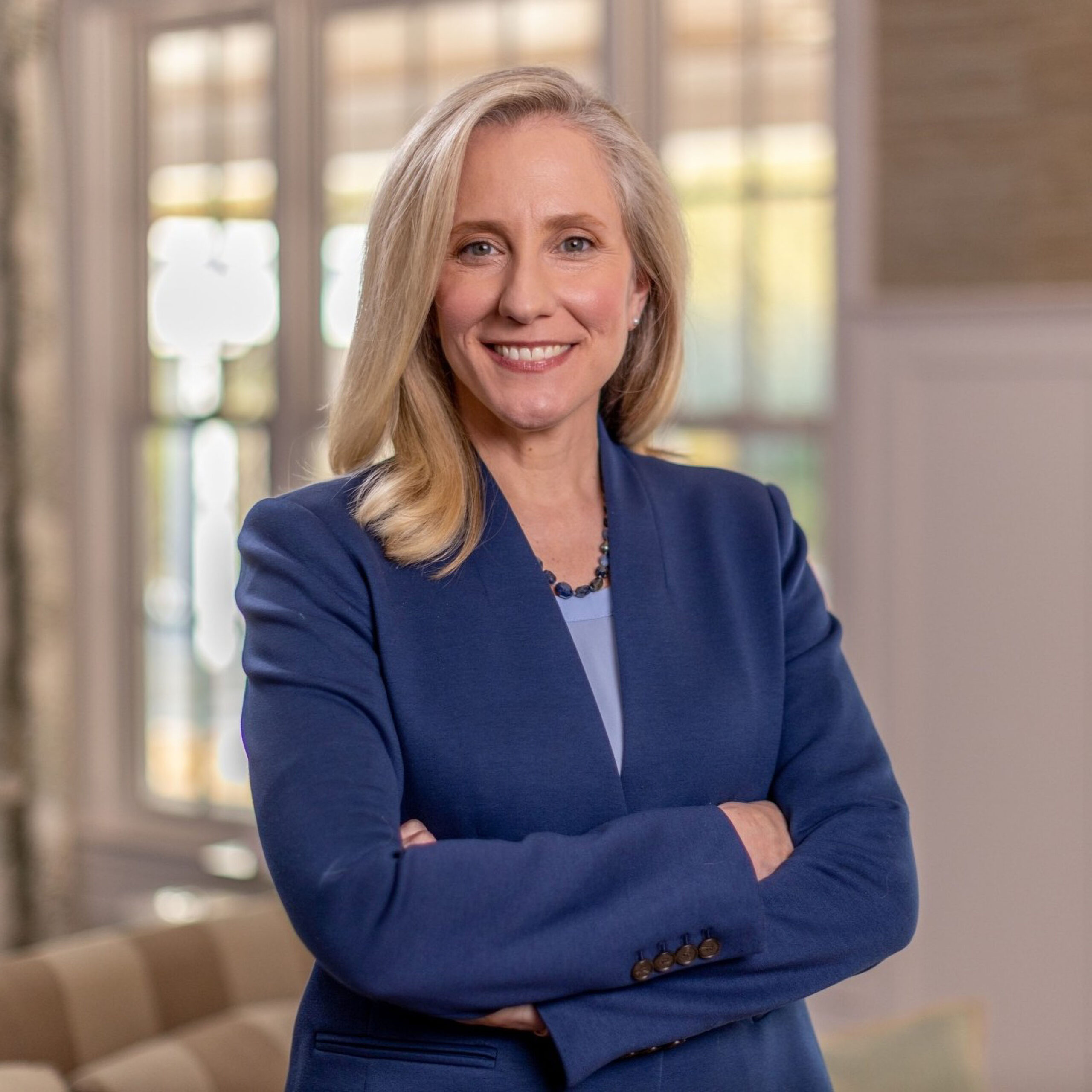
Abigail Spanberger, the first female governor of Virginia, was sworn into office on January 17
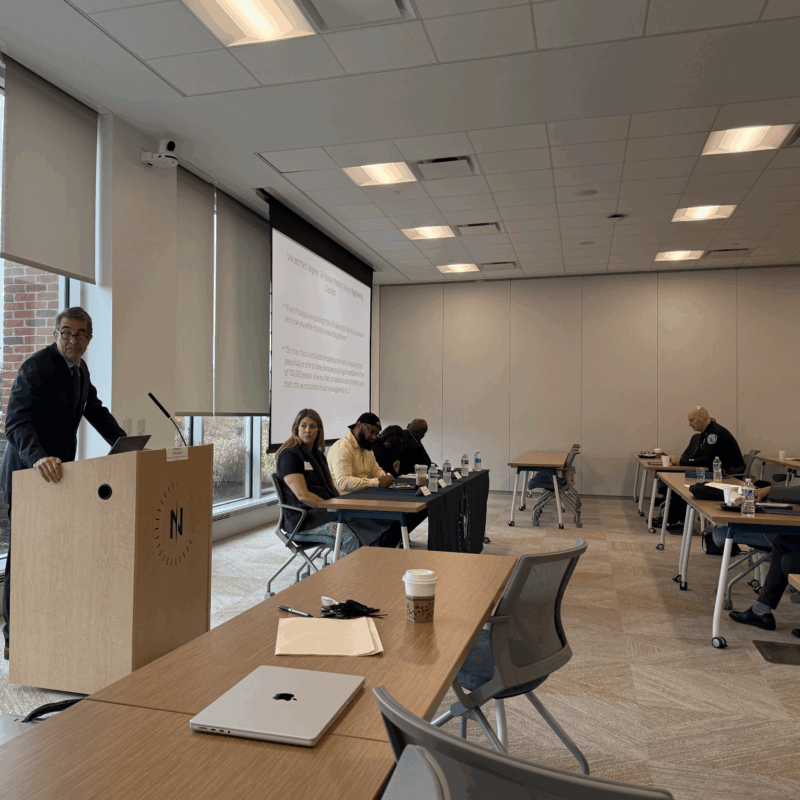
Five members of the University of Virginia Board of Visitors resigned on January 16 and 17, just before and during the inauguration of Gov. Abigail Spanberger.
A university spokesperson confirmed the resignees: former Rector Rachel Sheridan and Vice Rector Porter Wilkinson, as well as Paul Manning, Douglas Wetmore, and Stephen Long. Board members submit resignations first to the governor’s office, not the university; UVA has not received any additional resignations as of January 19.
Spanberger has named 10 nominees for appointment to the BOV, netting her a majority on the 17-voting-member Board. Appointees can serve up to two consecutive four-year terms, but must then wait at least four years before any reappointment to the same Board.
“The appointed members are considered active Board of Visitors members in the time between their appointments and their confirmations,” says Bethanie Glover, deputy spokesperson for UVA. “They will participate in Board meetings as scheduled, and university operations will not be interrupted.”
Spanberger’s first wave of appointments to university boards was split among three schools—UVA, George Mason University, and Virginia Military Institute. The 10 selections for UVA’s Board are: Mike Bisceglia, Carlos Brown, Robert Bryon, Peter Grant, Owen Griffin, Victoria Harker, Elizabeth Hayes, Rudene Mercer Haynes, Evans Poston, and Moshin Syed.
The appointees join seven remaining Youngkin-appointed members on the Board: Daniel Brody, Marvin Gilliam Jr., Paul Harris, John Nau III, Dr. David O. Okonkwo, Amanda Pillion, and David Webb.
It is unclear whether the BOV will name a rector or vice rector before or after the confirmation of its newest members. Glover says the roles are currently vacant, and will be filled “in a special meeting, the date of which is to be announced.”
The resignations follow years of political turbulence at UVA, most recently centered on the university’s agreement with the U.S. Department of Justice, the ouster of former president Jim Ryan, and the selection of new President Scott Beardsley.
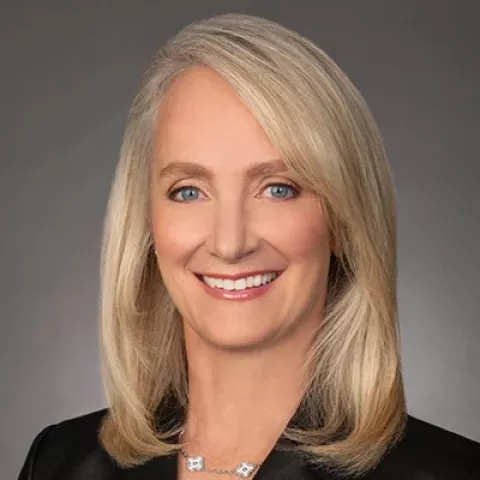
Sheridan and Wilkinson’s letters of resignation, submitted on the last day of former Gov. Glenn Youngkin’s term, both cite political pressure and division as the reason for their departure.
“Our efforts to do what is right for UVA have become paralyzed through purposeful political warfare that is destabilizing to the University,” wrote Sheridan. “It is a distressing fact of civic life in the United States that toxic national politics converts every disagreement, even among well-meaning people who share the same hopes and believe in many of the same values, into a pitched battle of competing camps.”
Wilkinson more explicitly tied her resignation to Spanberger. “I regret that Governor-Elect Spanberger does not intend to allow me to finish my term,” she wrote. “I would love to continue serving our cherished institution, but in deference to the Governor-Elect’s request, I hereby resign. My only wish is that the differences of the present moment will not impair the brightness of this great University’s future and that leadership of the University will be able to build constructively on our accomplishments.”
Spanberger has not publicly confirmed that she asked the five former members to leave the Board. But the raft of resignations follows the BOV ignoring her—and numerous others’—calls for a delay in the university’s presidential search amid inquiries into the circumstances of Ryan’s exit.
The governor’s office had not responded to C-VILLE’s request for comment at press time.
State senators questioned Sheridan January 12, four days before her resignation. Topics ranged from Ryan’s departure to the Board’s communications with the DOJ and Youngkin. Sheridan stood by the BOV’s decisions, and refuted claims she was “a Youngkin point person.”
Texts from Board of Visitors members, released by The Washington Post and obtained via the Virginia Freedom of Information Act, include frequent discussion of Youngkin. Communications with the former governor are not included in the trove of texts, but allusions to him and former Virginia Attorney General Jason Miyares are present throughout the BOV members’ discussion of Ryan and efforts to end diversity, equity, and inclusion programming at UVA.
The General Assembly is currently weighing legislation that would change the way university boards and appointments work. Proposed bills include SB49, which would amend the Code of Virginia to require appointees be confirmed prior to serving on a board or commission.
Other legislation introduced would require each Board of Visitors to include student, faculty, and staff voting members. Among the proponents are local representatives and organizing groups, like the UVA chapter of United Campus Workers of Virginia.
“We’re working with Del. Amy Laufer, Del. Katrina Callsen, [and] Sen. Creigh Deeds on legislation that would reform the Board of Visitors in a number of ways,” says Cecelia Parks, a UVA librarian and UCWVA organizer. “Elected voting representatives from faculty, staff, and students on our [boards would] get more of that worker experience and expertise in the room.”
At press time, the state Senate has not scheduled confirmation hearings for the 10 new UVA Board members.