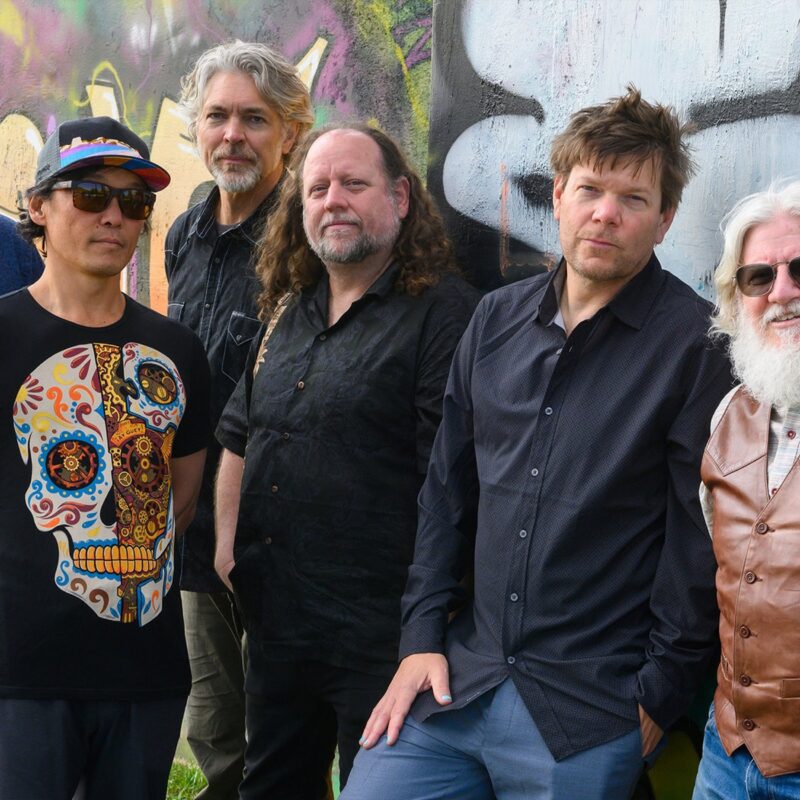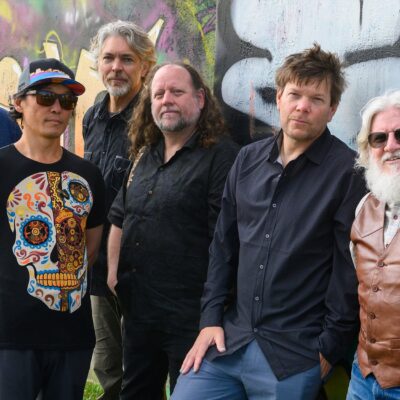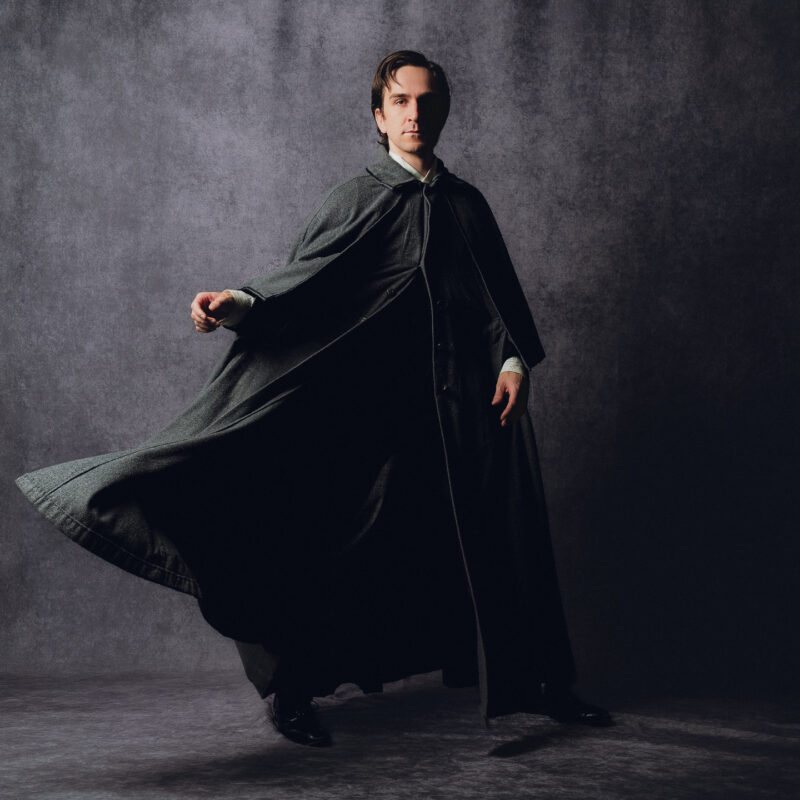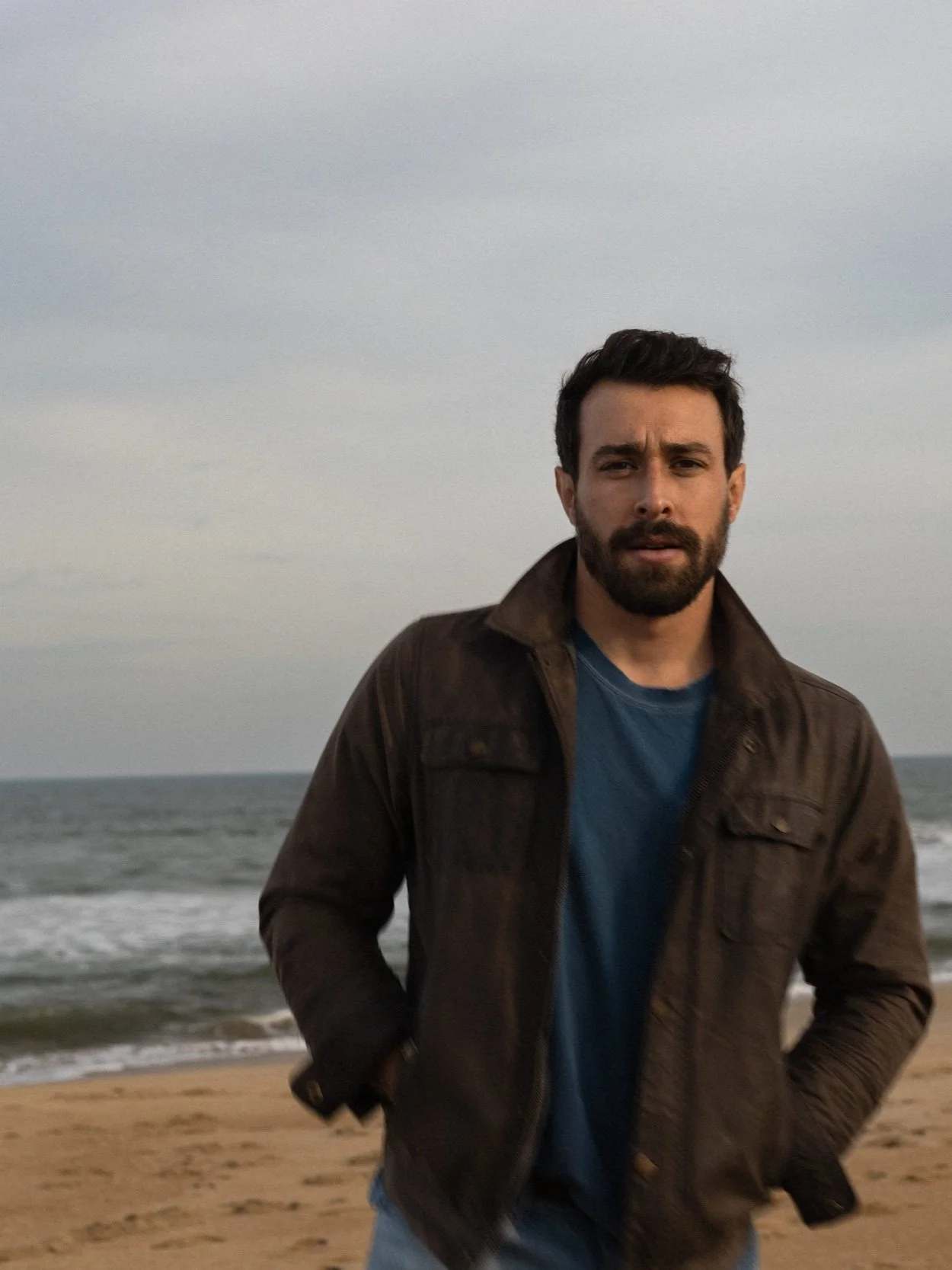
Will Overman returns to Charlottesville to promo his second solo album, Stranger, at the Southern on November 16. Photo: Joey Wharton.
Will Overman didn’t want to write a breakup album. But following a divorce, the singer-songwriter approached his latest record as a man rediscovering himself—again.
On November 16, Overman will play an album release show for Stranger, his second LP as a solo artist, at the Southern Café & Music Hall. Nine and a half years ago, Overman played the same venue to release an eponymous LP with his ascendent rock outfit The Will Overman Band.
It was a heady summer for the five-piece when it took the Southern stage on June 4, 2016. Overman was 22 and looking forward to many more successful albums and tours with his bandmates.
Instead, the group split, and Overman went solo. He released the first full-length to carry his own name, The Winemaker’s Daughter, in 2021.
But where that first solo album found Overman discovering his voice without a raucous band behind him, the second has found him without the muse he’d long relied on. Stranger, he says, is inspired by the feeling that you no longer know who you are.
“My divorce was a huge part of my late 20s,” Overman says. “I wanted to focus on all that change…and what it is to be a man making a life in music. I was trying to figure out who I was after having to sit still for two years and accept all the things that are Will Overman.”
As a result, there’s plenty of darkness in the songwriter’s latest output. “Funeral for a Friend” is an allegorical exploration of his divorce—”Our love was supposed to last till the end / Now every day is a funeral for a friend”—while “The Bottom” is a raw, personal confessional.
“When the boys come to town we grab a pint,” Overman writes on Stranger’s penultimate track. “They joke how I’m living in reverse / They’re drinking too many, I’m drinking too much / But in the morning their wallets don’t hurt.”
There’s light in Overman’s most recent songcrafting, as well. As in the summer of ’16, he feels like he has a lot to look forward to. And while that may not always be evident in his lyricism, it’s written all over his process.
Overman moved to Nashville in 2021. After playing a sparsely attended show, he met producer Bobby Holland. The two quickly bonded over mutual respect for one another’s musicianship.
“There’s a lot of stuff in this town that is unsavory and transactional,” Overman says. “People get taken advantage of all the time. We developed a friendship before a working relationship.”
Holland introduced Overman to a second producer, Brad Sample, who became a reliable contributor to the UVA grad’s songwriting. In the studio for Stranger, Overman wanted to bring in other musicians from Virginia—despite the many capable session players in Nashville. Overman’s longtime collaborator and manager Evan Hunsberger plays drums, Ryan Lee handles bass, and Richmond native Steven Roach plays keyboard. The trio created many of the arrangements that show up on Stranger while playing live shows.
On the new record, Overman’s taken a deliberate approach to his own sonic influences. Along with a natural move from his traditional Americana roots to “a wider-open rock alternative world,” he wanted to go back to a place in his life when music made him feel something unadulterated.
The most obvious result is a cover of “Read My Mind,” which anchors Stranger’s A side. “I was worn out with doing the same old covers like ‘Angel from Montgomery.’ I started to think back to that first phase of my life—the artists that just lit something in me.”
Overman dredged up an old iPod he once plugged into his manual 1993 Honda Accord and flipped through the bands he would listen to on the way to high school with his sister and best friend: Kings of Leon. Frightened Rabbit. The Killers.
Mining sounds with Holland and Sample, those indie rock influences went onto the mood board along with songwriters like Amos Lee, Foy Vance, Ryan Adams, Ruston Kelly, and Leif Vollebekk.
Overman feels like every show in Charlottesville is a homecoming—he says he thinks about moving back almost every day. He bristles at the idea that Charlottesville is the minor leagues for Nashville (though the same songwriters who drew him into the local music scene—Sam Wilson, Carl Anderson, Caroline Spence—all eventually moved to Music City).
In the end, Stranger is as much a Virginia record as anything else Overman’s put out. On top of the themes and Commonwealth-based personnel, the 11 songs were largely written while Overman was living with his dad in Virginia Beach—just a still-young man trying to rediscover himself after a life-defining event.
“This record is pretty autobiographical,” he says. “I wanted to own up to my decisions. I tried to respect the personal space of my ex-wife on this record, but I wanted to make sure there was honesty on it. This is me trying to rectify a lot of choices I made.”