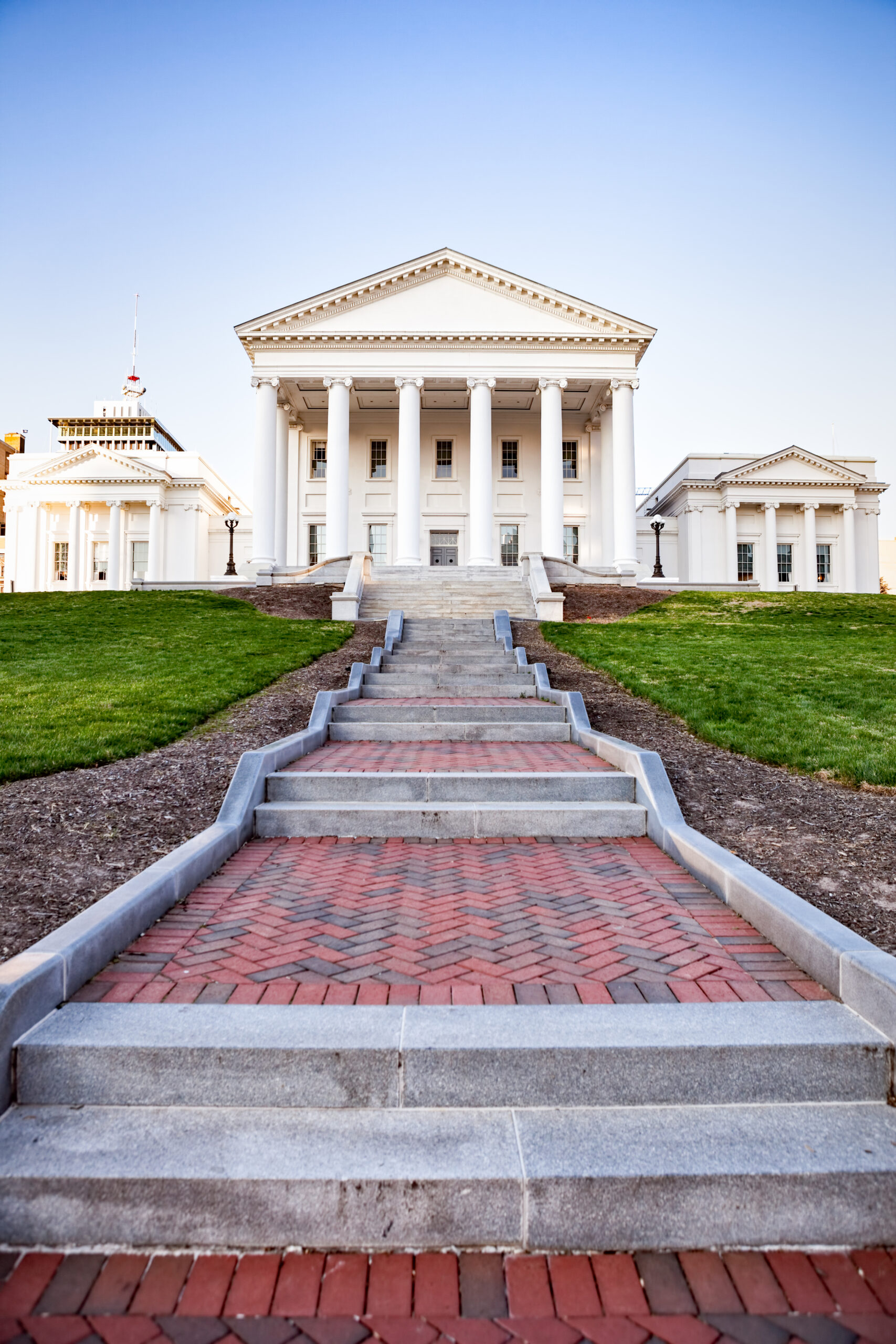
The 2026 session of the Virginia General Assembly begins January 14. For the next 60 days or more, a legislature dramatically tilted toward Democrats by last fall’s
elections will send bills through a procedural meat grinder. C-VILLE asked local
representatives about what they’re proposing this year.
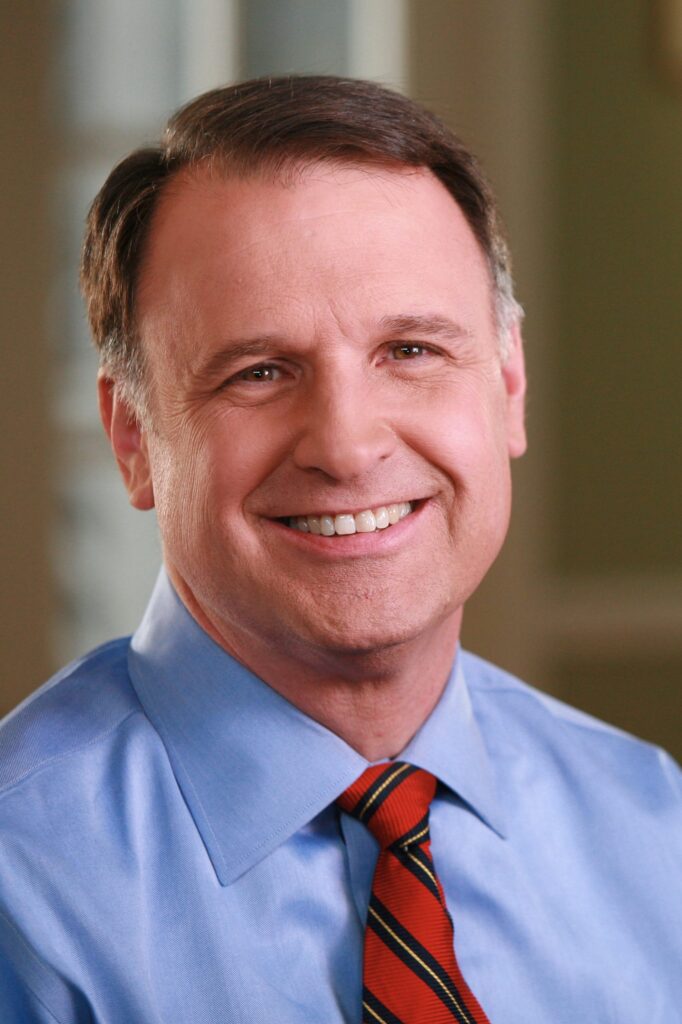
Sen. Creigh Deeds
“I never put in bills till the very end,” Deeds says. And with senators limited to proposing 30 bills this year, “I’m trying very hard to make sure that I’ve got the right bills.”
Deeds’ priorities include strengthening the independence of the Board of Visitors at the University of Virginia and other state schools. He’s proposing faculty and student board representatives and six-year terms for members, meaning no future governor will appoint more than half of the board. “I want to build a wall between higher education and partisan politics, if I can,” Deeds says.
After the 2022 UVA shooting, he’s again proposing firearms bans on state university or college campuses, with Del. Katrina Callsen sponsoring a sibling bill in the House. Deeds also wants to fortify Virginia’s red flag laws, letting family members and community service workers ask courts to temporarily remove guns from at-risk people.
Deeds says the legislature’s greatest challenge waits in its budget. “We are in really choppy waters because of the federal action with the One Big Beautiful Bill that was signed into law in July,” he says. Virginia will need to offset billions in impending cuts to federal matching funds for Medicaid, and replace more than $234 million in lost tax credits for Affordable Care Act insurance plans and $352 million in federal cuts to SNAP funding. The state also needs more than $800 million in new school funding, on top of the more than $1 billion education funding shortfall identified in a 2023 state report.
A new tax on high earners could raise $1.4 billion annually, according to The Commonwealth Institute for Fiscal Analysis. “The millionaire tax is the easy thing to do, and I think we can get that done,” Deeds says. “I think the harder work is to figure out what structure your tax system is going to have over the long haul. I think we’re too dependent on sales tax. A progressive income tax is a fairer way to collect revenue.”
“We have tremendous challenges this time around, and it’s a lot of work,” says Deeds, “but I’m excited to get started.”
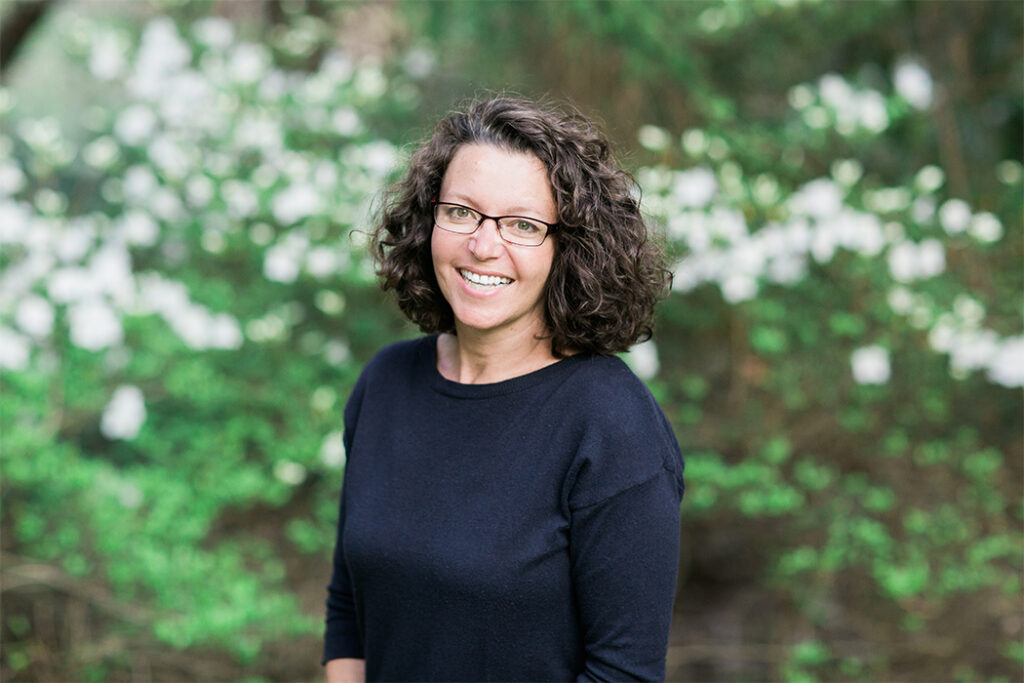
Del. Amy Laufer
(Albemarle County)
Laufer says her top personal priorities are the proposed constitutional amendments establishing marriage equality, reproductive rights, temporary mid-decade redistricting, and restored voting rights for ex-felons. In the Assembly at large, “I know the top priority is going to be to maintain Medicaid benefits for as many Virginians as possible, and hopefully deter some of the results of the [One Big Beautiful Bill],” she says.
As many officials propose Board-of-Visitors reforms, Laufer wants to add representatives for faculty and university staff. “We know that staff can sometimes be up to 70 percent of who’s employed by these universities, so having their voices at the table talking about what’s going on is really critical,” Laufer says.
She’s also reintroducing bills that failed or were vetoed under Youngkin, including misdemeanor penalties for leaving a gun unsecured and visible in a parked car, and new constraints on the state’s ability to purge voter rolls. “It can’t just be arbitrary,” Laufer says of the latter bill. “There has to be some evidence of why someone should be taken off the voter rolls.”
Laufer is struck by “how much goes into each word that is chosen for these bills,” she says. “I’m going back and forth with everybody to make sure the language adequately describes the intention of the bill. It’s kind of amazing.”
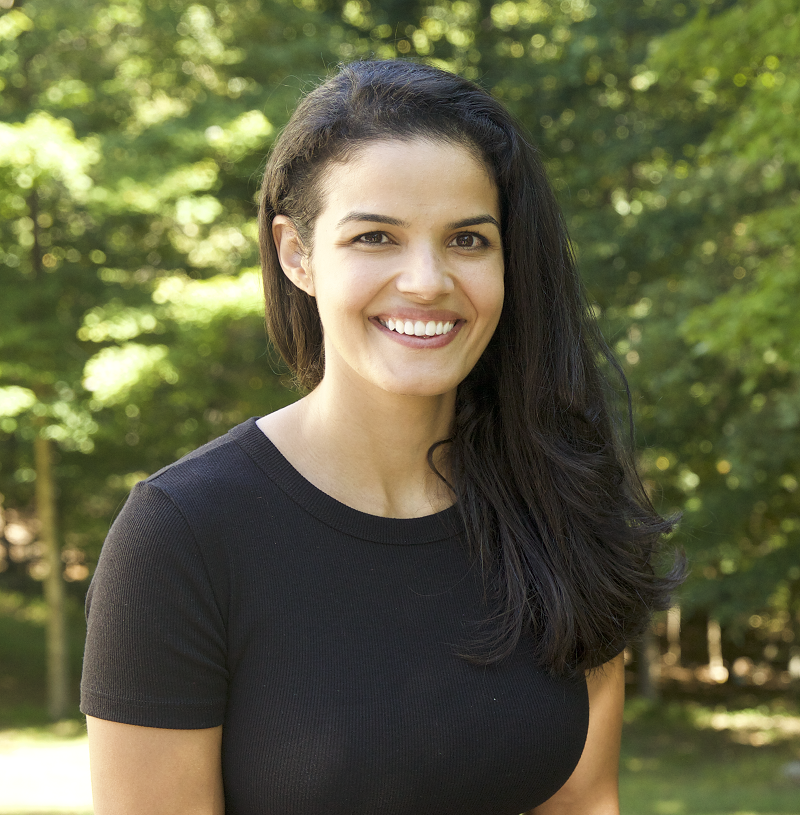
Del. Katrina Callsen
(Charlottesville)
“I think this would be the year of the constitutional amendments,” Callsen says, echoing Laufer’s top priorities. “We know what has driven voters to the polls, and those [issues] are the things, and we need to pass them this year.”
Callsen shares her colleagues’ interest in Board-of-Visitors reforms. But she’s also working on tougher regulations for pharmacy benefit managers, the large middlemen between drugmakers and pharmacies. “They are a huge black hole that drives up our costs with very little accountability,” she says. By naming a single benefit manager for Virginia’s Medicaid program, Callsen hopes to boost transparency while cutting costs and consumer prices.
Callsen’s slate also includes strengthening defendants’ access to lawyers while in jail or at initial bail hearings. She says most people are surprised to hear that defendants can’t always see a lawyer in those circumstances. “When we think about how the criminal justice system works, the way that we think it works is the way it probably should work,” she says. “And when that doesn’t align, that’s where I try to fix it.”
With no bill limits for delegates this year, Callsen says it’s tough to figure out which bills to advance. “I want to carry them all, but every additional one you carry lowers your ability to work the ones that you have,” she says. “You start putting them at risk the more you stack your plate.”