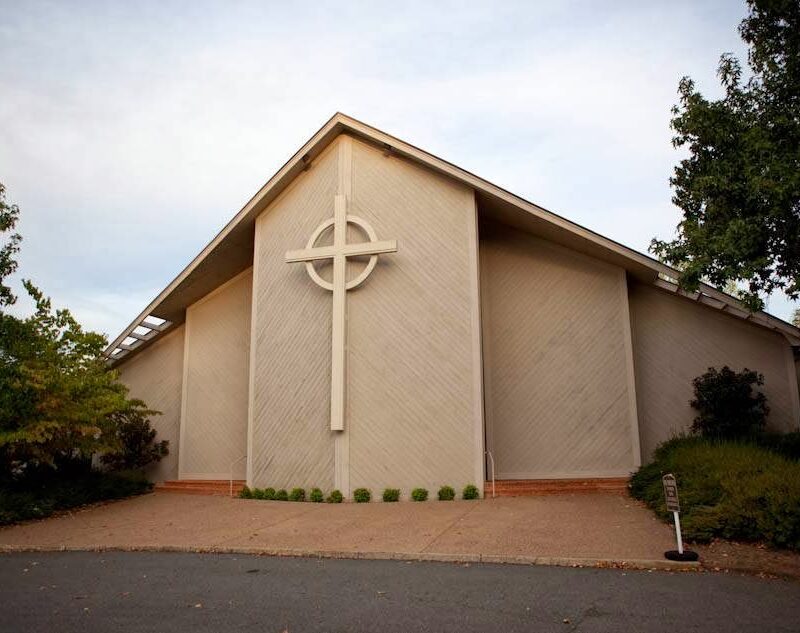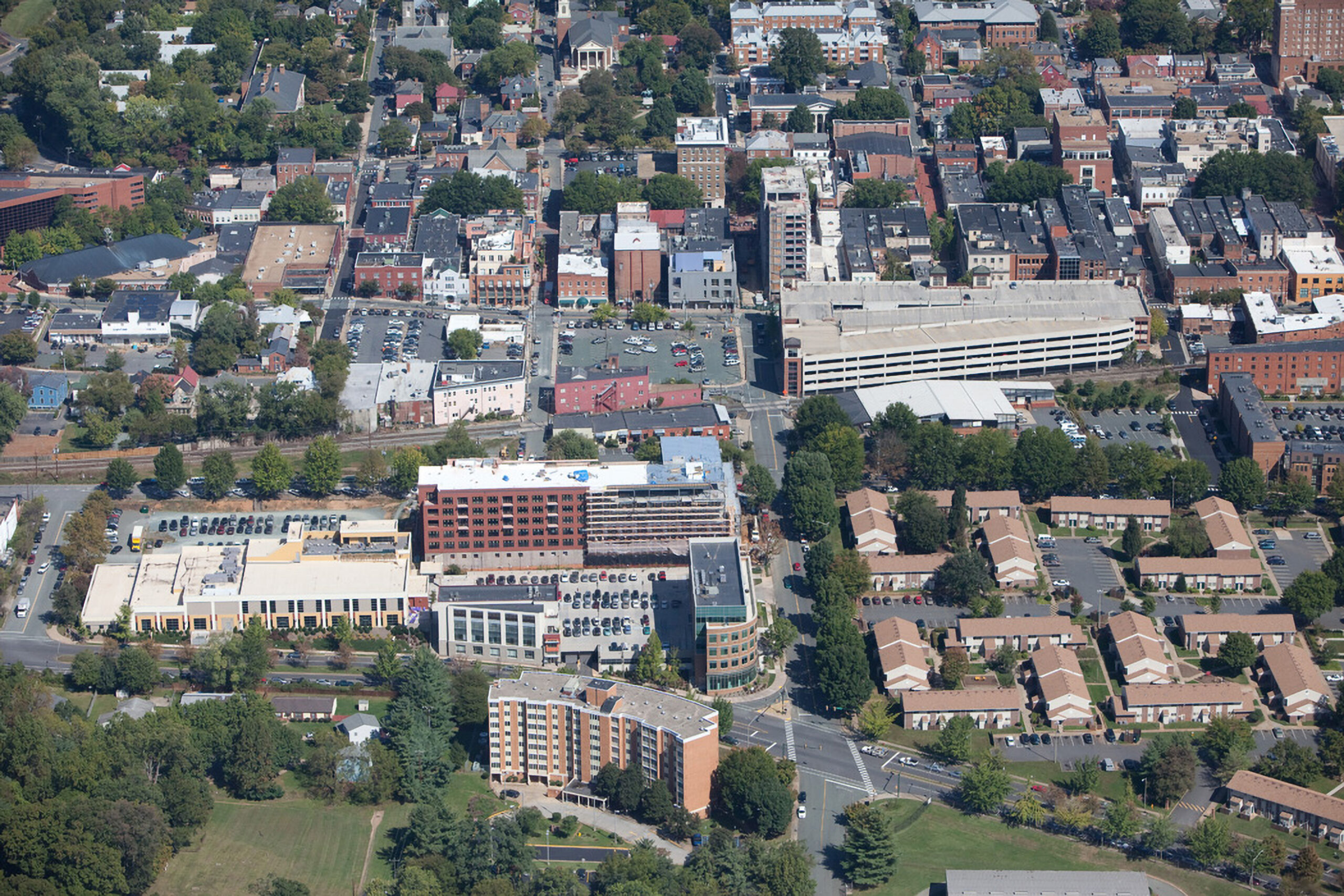
The Charlottesville Redevelopment and Housing Authority, which manages Crescent Halls, is under fire for allegedly claiming to be a nonprofit in its 2020 and 2021 PPP loan applications.
Like many organizations and companies across the county, the Charlottesville Redevelopment and Housing Authority applied for federal loans to keep payroll checks flowing in the early days of the pandemic.
The CARES Act, signed into law in March 2020, created the Paycheck Protection Program as a lifeline for businesses and other organizations at a time when the entire economy was shut down to prevent COVID-19 from spreading.
According to ProPublica, CRHA received two rounds of PPP loans from the Small Business Administration in 2020 and 2021 for a total of $473,225, and these loans and the interest were later forgiven. Despite being a government entity, CRHA allegedly checked a box claiming to be a nonprofit organization in the applications.
That’s a fraudulent act, according to an active lawsuit in the United States Western District Court of Virginia filed by Utah attorney J. Bryan Quesenberry. A provision of the federal False Claims Act allows people to sue on behalf of the United States government to recover damages from fraud. If proven or otherwise adjudicated, penalties are three times the amount of the unlawful loans.
Quesenberry has filed similar suits across the United States and has received a portion of the share of many settlements. He originally submitted a complaint to the court in March 2024 that names CRHA and several other Virginia-based organizations.
“Defendants knowingly presented or caused to be presented to the SBA claims for approval of PPP loan applications for which they were ineligible because they are government-owned entities,” reads a portion of an amended complaint filed last November.
Charlottesville voters approved the creation of the CRHA in 1954 as a political subdivision of Virginia that was empowered to use eminent domain to build the first generation of public housing units. Charlottesville City Council appoints the organization’s Board of Commissioners.
Under what is known as the qui tam process, a federal court seals the filing while federal officials decide whether they want to join the case. The U.S. declined, but allowed Quesenberry to pursue the case. An electronic summons was issued to all of the entities including CRHA last November 20.
All of the other defendants responded to the summons, including the Rappahannock Rapidan Community Services Board, which filed a motion to dismiss on February 27. According to court records, the CRHA did not respond. CRHA Executive Director John Sales was served with the summons on February 17 and had until March 10 to respond.
The agency did not, and Quesenberry filed a motion on March 24 to enter CRHA into default, meaning there is no further opportunity to defend the claim in court. A notice of the entry was mailed to Crescent Halls but marked “Return to Sender” and “Unable to Forward.” On April 30, the plaintiff filed a motion for default judgment, which would compel CRHA to pay $1.5 million.
On June 10, Judge Robert Ballou ordered that CRHA be served with all of the documentation, but has not yet ruled on the motion for default judgment. As of June 15, the court record indicates service has not been confirmed.
Sales did not respond to a request for comment. The City of Charlottesville referred all questions to CRHA.