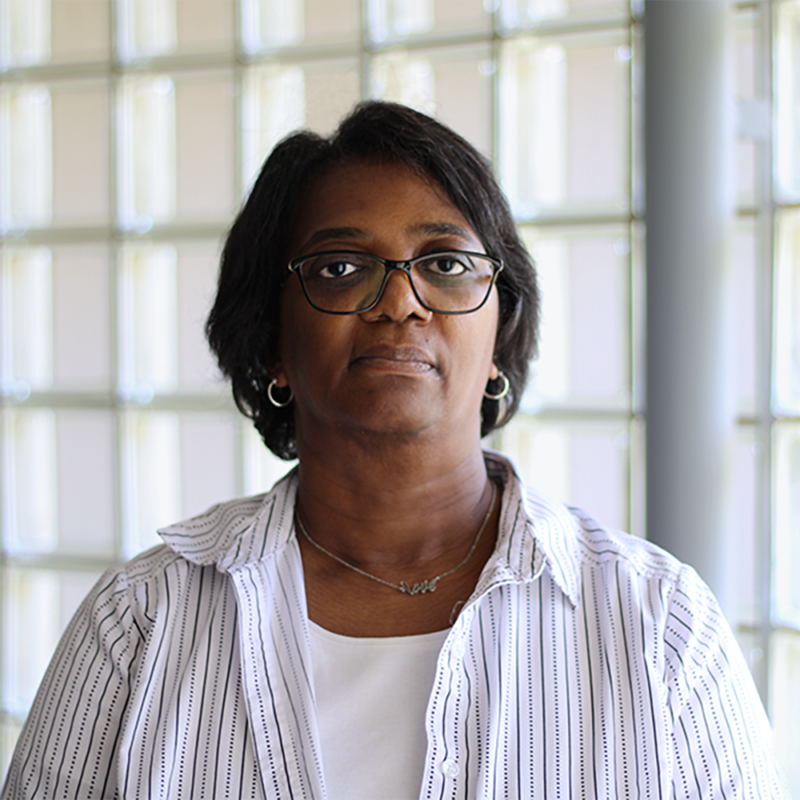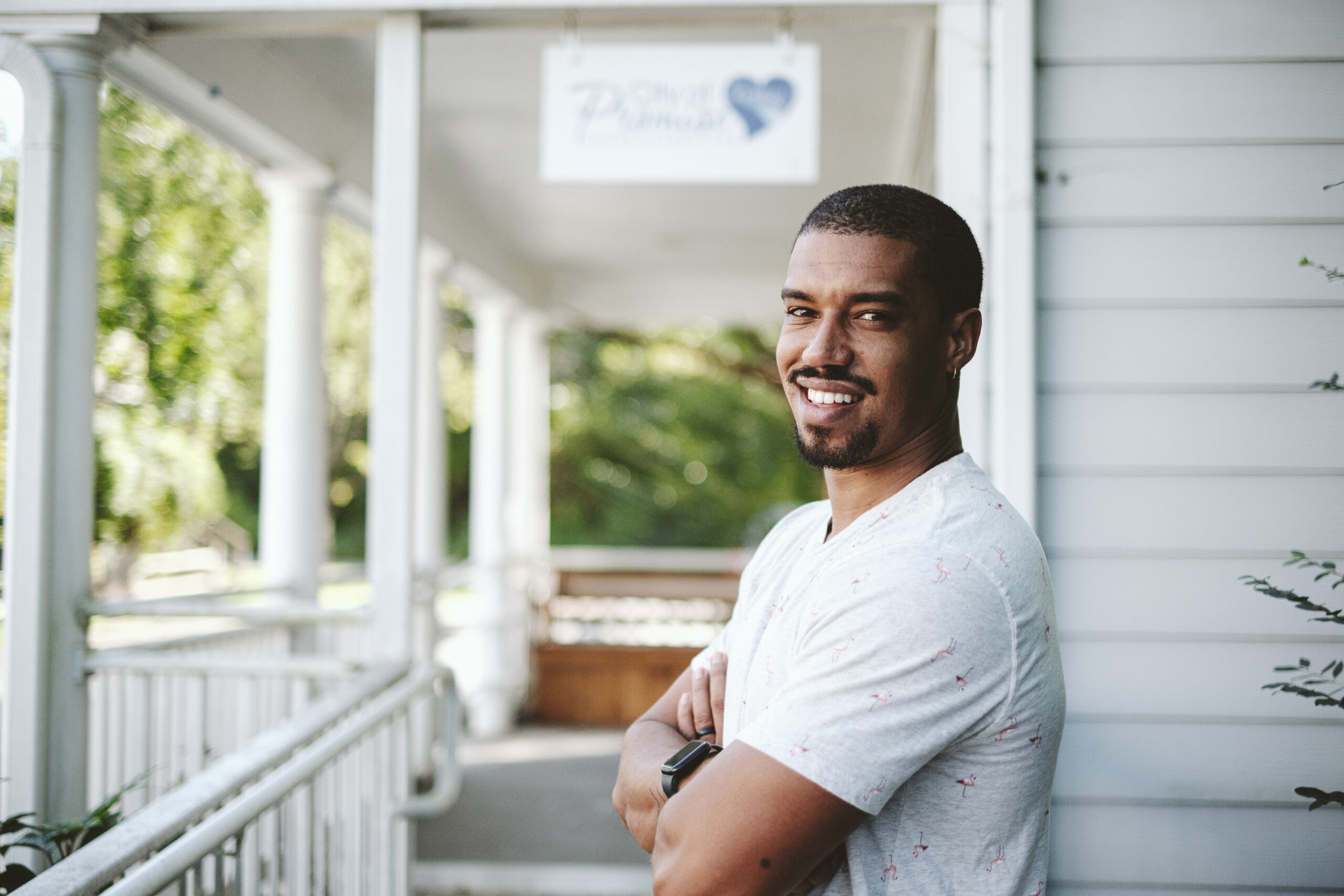
City of Promise Executive Director Price Thomas says public education is underfunded, but “I don’t think our schools are underfunded. ... If we are constantly putting the money where the kids aren’t, it doesn’t feel like a particularly well-thought-out investment.” Photo: Eze Amos
With the Virginia legislature and governor teed up, City of Promise Executive Director Price Thomas says now is the time to take “big swings” in public education.
Founded in 2010, the Charlottesville nonprofit aims to tackle generational poverty by improving education outcomes through social interventions. Charlottesville students spend more than four times as many hours each week outside school as in it. City of Promise partners with Charlottesville City Schools to remove barriers to achievement during that non-school time, including food pantries and a pilot program to turn Trailblazer Elementary into a hub where families can obtain other vital community services.
While other organizations have been hit hard by congressional cuts, CoP has a strong base of philanthropic support and hasn’t recently received federal dollars. But the families, communities, and partners CoP works with have still been impacted by Trump administration policies and budget-slashing.
“I count us probably among a relatively lucky few who were not tangibly affected by that level of weirdness,” says Thomas. “It doesn’t mean that the threat of food stamps not hitting doesn’t affect our population of people. … It does affect the people who we’re working with dramatically.”
“There’s all these things that touch education. The stability of your housing, your food, your access to capital, your access to the internet, these extracurriculars—there’s a cost provision to all of these things,” Thomas says. “Our ability to look at that and to encourage robust investment in our kids and in our families as it pertains to their educational outcomes is really important.”
At the federal level, there’s no immediate shakeup in sight that would increase investment in education. The state level is an entirely different story, though, with the inauguration of Gov. Abigail Spanberger and Democratic control of the Virginia legislature.
On her first day in office, Spanberger issued an education-focused executive order that didn’t explicitly allocate funds, but reflected the governor’s campaign promise to “get schools the funding they need.”
Rather than just schools, City of Promise is calling for an investment in public education more broadly—at the state and local level.
Charlottesville has “the largest literacy pass rate gap in the state. We have the second-lowest minority literacy scores in the state. … We have the second-highest cost per pupil in the state,” says Thomas. “At some point, you have to look at that sort of objectively, and say, ‘Okay, there’s something happening here that’s not catching.’”
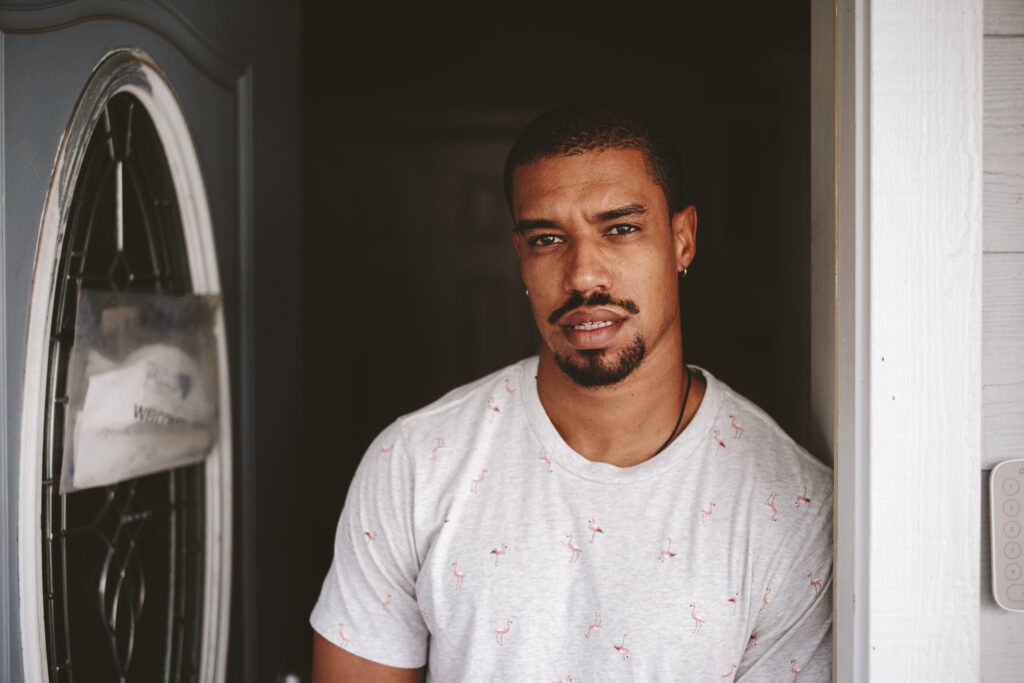
But the work, and the funding, need to extend beyond schools themselves, according to CoP. Thomas argues that spending more money directly on underserved communities, rather than the schools that serve them, will more effectively fix issues like the literacy gap.
“I think public education is underfunded. I don’t think our schools are underfunded,” says Thomas. “If we are constantly putting the money where the kids aren’t, it doesn’t feel like a particularly well-thought-out investment.”
The nonprofit more thoroughly interrogated the relationship between literacy and family finances in a joint research effort with the University of Virginia. Their Economics of Education report found connections not only between economics and race in Charlottesville, but also household and community finances and literacy. It further concluded that the “school-first” funding approach has contributed to an achievement gap for economically disadvantaged students.
“It’s not whether we should fund schools. It’s not whether we should invest in teachers. It’s not whether we should have quality curriculum in safe places. Everybody wants that,” Thomas clarifies. “Once you’ve achieved that, where are the marginal dollars going? … [City of Promise doesn’t] put that money anywhere that doesn’t make its way back into those buildings, in the form of families, in the form of kids, in the form of preparedness.”
CoP has doubled its staff to 12 people over the last two years, allowing Thomas and others to pursue more legislative action in addition to the nonprofit’s grassroots efforts. Amid local and state budget conversations, CoP is heading to Richmond on January 29 to speak to legislators (weather permitting).
City of Promise isn’t backing any specific legislation or budget requests yet, but Thomas’ ideas range from a third-grade reading gate, requiring students pass a literacy assessment before moving to the next grade, to more expansive afterschool and summer programming.
“For us, this is a first foray into this arena. It’s a learning experience to get a feel for what goes on during session, how to interact with information and lawmakers, and make sure we are operating with robust and thorough information,” says Thomas. “The hope is we learn more about the process and can meet some folks who we can build relationships with at the state level. No specific agenda… yet. But I’m confident we’ll get there.”