Two years ago, there were 786 immigrant youth—defined as students born abroad who’ve spent less than three years in U.S. schools—enrolled in Albemarle County Public Schools. This year, there are 447, a 43 percent drop.
The departures contributed to a 2 percent population decline in county schools year over year, from 13,757 students to this fall’s 13,465. The county budgeted for about 300 students who never showed up.
Charlottesville City Schools also saw a 15 percent drop in its numbers of English language learners between spring 2025 and fall 2026, according to a presentation made to the Charlottesville School Board November 5. New English language learners are down about 18 percent year over year in the city, where they now make up about 15 percent of the overall student body.
“It weighs heavily on me,” says Albemarle County Supervisor Sally Duncan. The Jack Jouett District she represents skews young, diverse (one-fifth are foreign-born), and poorer. “I know we haven’t had any really obvious ICE activity here, but it makes me wonder … If we lose those sorts of communities, we lose part of what makes Charlottesville and Albemarle such cool places to live.”
Predicting student numbers in any school year is difficult, given the complex brew of economic, social, political, and migratory patterns. But the drops in immigrant kids in area schools hint at a sobering truth amid raging debates about who, exactly, gets to live and work in this country.
Teacher Lauren MacLean sees the changes up close. She directs ACPS’s English language learner and dual language immersion programs. ACPS officially shuttered its Newcomer Academy this school year, given low numbers of qualified students.
“The immigration landscape has changed drastically over the past few years,” says MacLean, a teacher for 10 years who’s been with ACPS since 2021. “We know that refugee resettlement numbers have been significantly cut, and that certainly impacts our enrollment, and we know that we’re not getting a lot of families who are in their first year of attending U.S. schools. I can’t speak to why, precisely, they’re not here, but it’s a fact that we have fewer immigrant families than in the past.”
At least part of the decline, MacLean says, owes to the dispersal and matriculation of a group of Afghans who initially resettled in Albemarle County after the 2022 fall of Kabul. (“Immigrant youth” stop being counted as such when they’ve been in the system for more than three years.) But that’s not the whole story.
Under the Trump administration’s immigration policies, ICE has arrested tens of thousands of undocumented people, shut down border crossings, and severely restricted asylum claims. In 2025, Trump capped refugee admissions at 7,500 a year, but then upped that number to 17,500 for fiscal year 2027, with a directive to give preference to white South Africans resettling in the U.S.
Quiet departures of immigrant kids don’t surprise International Neighbors’ President Kari Miller one iota. While her group supports refugees with tenuous legal status, she worries about kids who might’ve been yanked from schools or not enrolled due to deportation fears.
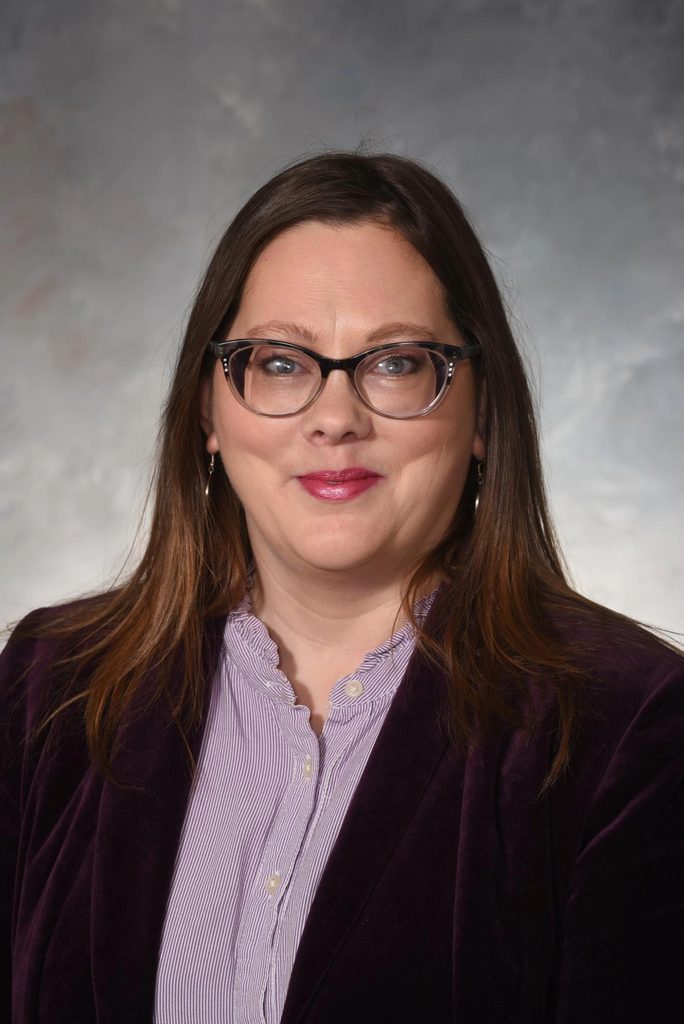
“This is the white world they want, or, at least, that our current president wants,” says Miller. “It’s disheartening that people don’t know, but unfortunately we live in such a segregated society that it’s easy to be in that white bubble where there’s no trouble.”
The trend is playing out elsewhere, too. In Loudoun County, English language learners have plummeted by nearly one fifth since June 2025. In response, Loudoun schools instituted a teacher hiring freeze late last month and are now contemplating closing or consolidating four elementary schools, given an 8 percent K-12 enrollment decline over the last seven years.
Neither ACPS nor Charlottesville City Schools enquire about students’ or families’ immigration status when they enroll, though they complete English language proficiency assessments during intake and know kids’ birthplaces from birth certificates presented at registration.
“I want to be clear that we don’t know anything about any students’ immigration status, or families’,” MacLean says. “We don’t ask and we don’t want to. Enrollment is not predicated on immigration status. We all worry that we might have families that are fearful of having their kids in school and we certainly want everybody to know that as a school division it’s our responsibility to educate every child, and we’re committed to doing that.”
Falling birth rates are compounding immigrant youth declines. Between 2007 and 2024, Virginia births dropped more than 13 percent. About 10,000 fewer kindergarteners started school across the Commonwealth in 2025 than in 2019.
While Weldon Cooper Center for Public Service projections assert that an additional 30,000 people will move to Albemarle County over the next two dozen years, the area’s school populations are projected to remain mostly flat in the next decade. Such changes will likely reorganize the Albemarle School Board’s capital improvement priorities list to focus on renovations instead of building a new $231 million high school in the northern part of the county. Relations between county supervisors and the school board remain tense amid sexual abuse and misconduct allegations and administrator and staff arrests, even as supes prepare to consider the school board’s capital improvements pitch list on November 12.
In the meantime, MacLean is doing what she can to tend current cohorts of English language learners. She follows up door-to-door with still-missing families to be sure everyone who wants to be enrolled is enrolled. And she’s trying not to worry about program cuts; ACPS allotted $820,000 in the current budget for international and English language programs this school year, an increase of about 13 percent, or $91,000 more than what was budgeted for the previous 2025-26 school year.
Amid the whiplash of immigration changes, MacLean often gets asked what community members can do to help. Her advice? “Get to know your neighbors. Families trust the people they see around them every day, and the best thing every single one of us can do is get to know our neighbors.”